


Vinyl liner pool construction offers homeowners an affordable entry point into backyard swimming pool ownership, combining flexibility in design with lower upfront costs compared to gunite or fiberglass alternatives. This construction method uses a custom-fitted vinyl membrane supported by a structural wall system-typically steel, polymer, or aluminum-creating a watertight barrier that forms the pool's interior surface. With proper planning, quality materials, and professional installation, vinyl liner pools deliver decades of reliable performance while maintaining the design freedom modern families expect. Understanding the complete construction process helps homeowners make informed decisions about materials, contractors, and long-term maintenance strategies.
Understanding Vinyl Liner Pool Structure and Components
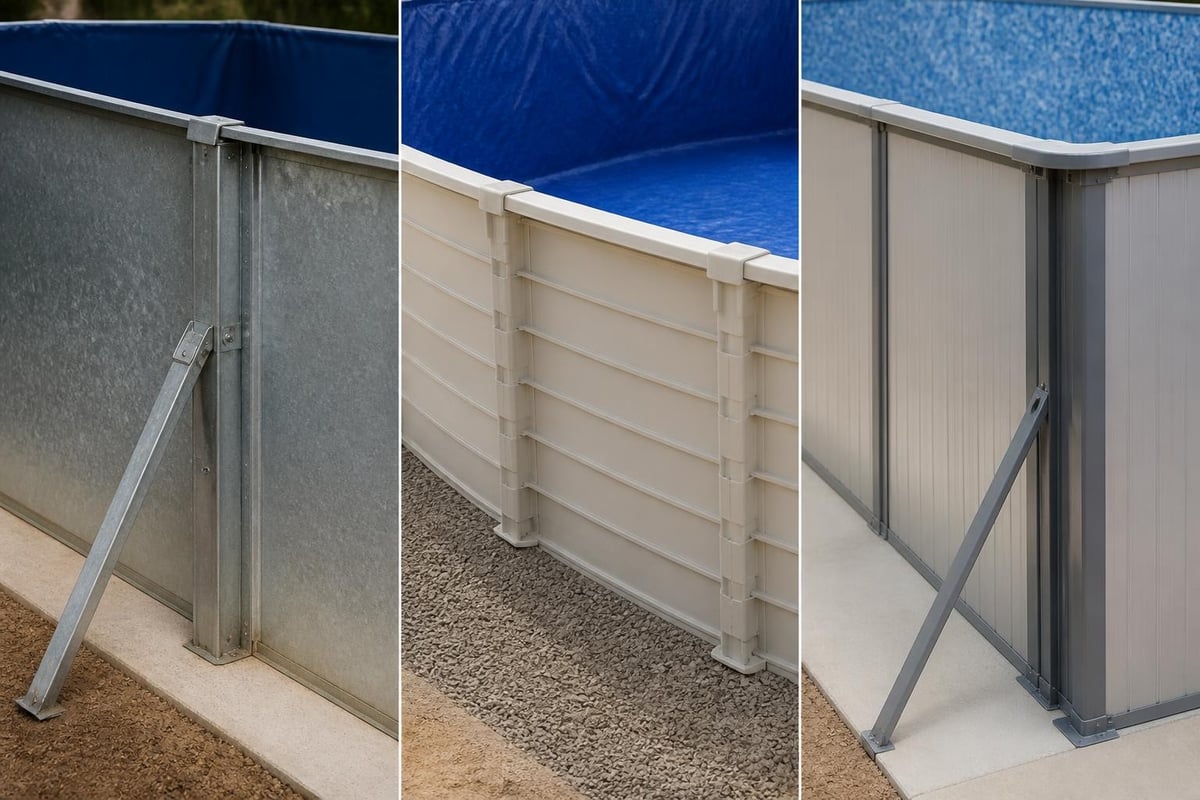
The foundation of vinyl liner pool construction begins with a precise structural framework designed to support both water pressure and soil loads. Unlike poured concrete pools, vinyl systems rely on modular wall panels-most commonly galvanized steel or polymer composite-assembled on-site to create the pool perimeter. These panels interlock using manufacturer-specific connection systems, with vertical bracing and horizontal supports ensuring structural integrity throughout the pool's lifespan.
Wall selection significantly impacts durability and cost. Steel walls offer maximum strength at the lowest material cost, typically featuring 14-gauge to 20-gauge galvanized panels with protective coatings to prevent corrosion. Polymer walls eliminate rust concerns entirely but command higher prices and may require additional bracing in larger pool designs. Aluminum walls split the difference, providing corrosion resistance without polymer's premium pricing, though they're less common in residential applications.
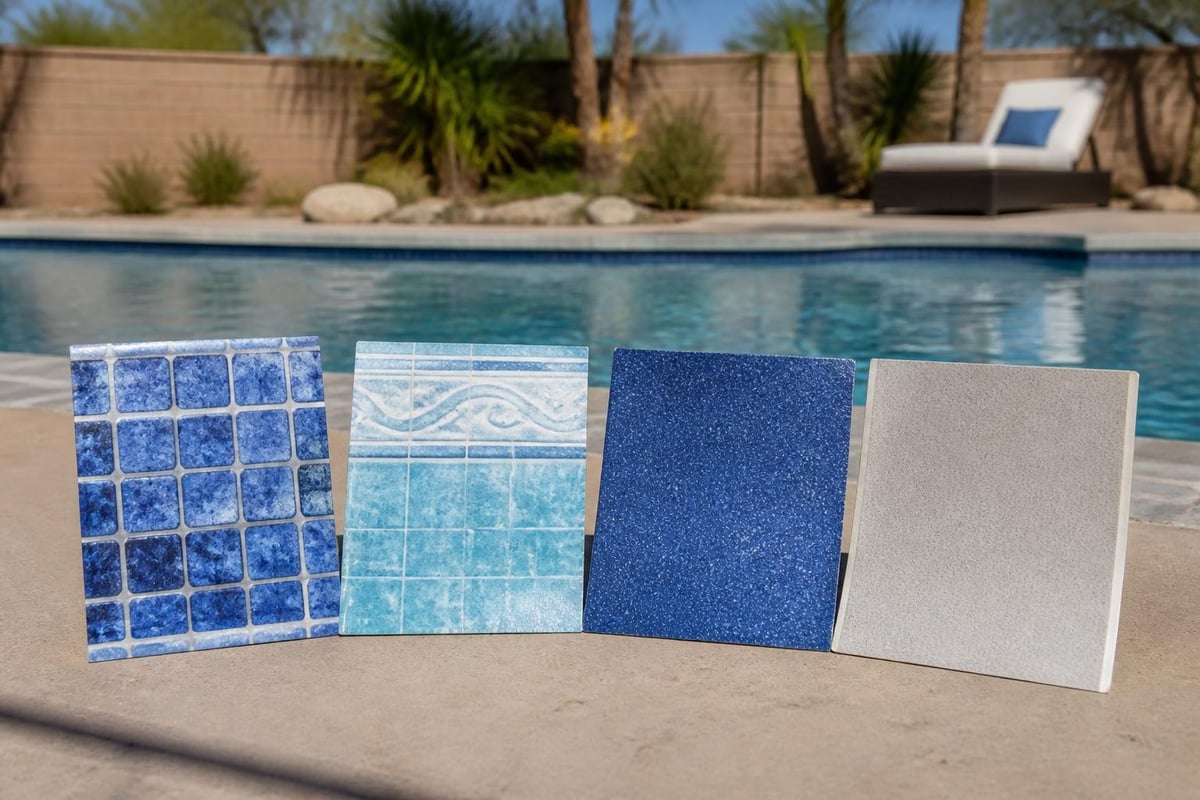
The liner itself represents the most visible component, manufactured from flexible PVC material ranging from 20 mil to 30 mil thickness. Modern vinyl incorporates UV inhibitors, antimicrobial treatments, and reinforced seams to withstand California's intense sun exposure. Liners attach to the pool perimeter using bead receivers or overlap methods, with pattern and color choices exceeding 50 standard options from most manufacturers. The Pool & Hot Tub Alliance provides comprehensive technical standards for liner materials and installation practices.
Floor and Base Preparation Requirements
Proper base preparation determines liner longevity and surface smoothness. After excavation, contractors install a vermiculite or grout base over compacted native soil, creating a cushioned foundation that conforms to the liner's contours. This base layer-typically 2 to 3 inches thick-prevents rocks or roots from puncturing the vinyl while providing a smooth walking surface.
The floor system requires meticulous grading to ensure proper drainage toward main drains. Professionals use laser levels to verify slopes meet manufacturer specifications, typically ¼ inch per foot toward drain locations. Some installations incorporate foam panels beneath the liner for additional cushioning and insulation, improving barefoot comfort and reducing heat loss through the pool floor.
Step-by-Step Vinyl Liner Pool Construction Process
Vinyl liner pool construction follows a systematic sequence that typically spans three to six weeks depending on site conditions, weather, and permit processing. Each phase builds upon the previous work, requiring coordination among excavation crews, steel installers, plumbing specialists, and liner technicians.
Phase One: Site Preparation and Excavation
Construction begins with utility location and site staking based on approved engineering plans. Excavation crews remove soil to depths specified in the design documents, typically 4 to 8 feet for standard residential pools, with additional depth for diving areas or attached spas. The excavation extends 2 to 3 feet beyond the pool perimeter to accommodate wall installation and backfill operations.
Contractors verify excavation dimensions using string lines and elevation benchmarks, adjusting for wall thickness and liner specifications. Soil conditions dictate stabilization requirements-sandy or unstable soils may need additional grading or retaining structures. Los Angeles County projects often encounter varying soil types that require specialized engineering, particularly in hillside locations throughout Pacific Palisades and La Cañada Flintridge.
Phase Two: Wall Assembly and Bracing
Steel or polymer panels arrive pre-cut to project specifications, with installers assembling the perimeter using manufacturer-approved fasteners and connection systems. Bottom rails secure to the excavation floor using stakes or concrete footings, providing the foundation for vertical panel installation. Each panel connects to its neighbor through interlocking edges, creating continuous structural walls.
Bracing prevents wall deflection during backfilling and water filling operations. Vertical supports span from bottom track to coping, with additional horizontal bracing at mid-height for pools exceeding 4 feet in depth. The ICC-ES AC279 acceptance criteria establishes performance standards for vinyl-lined pool structural systems, guiding proper bracing intervals and load calculations.
| Construction Phase | Duration | Key Deliverables |
|---|---|---|
| Site prep & excavation | 2-3 days | Level base, utility routing |
| Wall installation | 1-2 days | Complete perimeter, bracing |
| Plumbing & electrical | 3-5 days | Equipment connections, bonding |
| Base & liner installation | 2-3 days | Smooth floor, fitted liner |
| Decking & finishing | 5-10 days | Coping, deck, landscaping |
Phase Three: Plumbing and Electrical Integration
While walls await inspection, plumbing specialists install circulation systems, including skimmers, return jets, main drains, and equipment pads. Vinyl liner pools require specialized fittings designed to seal against the liner rather than embedding in concrete. These gasket-sealed components attach to the wall panels using threaded connections accessible from both sides.
Electrical work follows NEC Article 680 requirements for swimming pool installations, with particular attention to bonding grids, GFCI protection, and equipment grounding. Contractors install bonding wire throughout the pool perimeter, connecting to metal components, reinforcing steel, and water circulation equipment. LED lighting systems integrate into wall panels or steps, using low-voltage transformers located in accessible junction boxes.
Material Selection and Quality Considerations
Choosing appropriate materials for vinyl liner pool construction directly impacts maintenance requirements, replacement cycles, and overall satisfaction. Understanding component options empowers homeowners to balance initial investment against long-term value.
Liner Thickness and Construction
Liner gauge represents the most frequent quality question. 20-mil liners serve as the industry standard for residential pools, offering adequate durability at competitive pricing. 27-mil and 30-mil options extend lifespan by 30 to 50 percent while resisting punctures more effectively, justifying their premium for families with pets, active children, or sharp pool toys.
Seam construction matters as much as thickness. Heat-welded seams provide superior strength compared to glued alternatives, with manufacturers offering 10-year to lifetime seam warranties on premium products. Pattern placement affects visual appeal-tile borders should align with waterline for professional appearance, while geometric patterns require careful positioning to avoid awkward interruptions.
The Coated Fabrics & Film Association publishes technical standards for vinyl pool liner performance testing and material specifications, helping contractors specify appropriate products for specific climate conditions.
Coping and Deck Integration
Coping caps the pool perimeter, providing the finished edge where deck meets water. Vinyl liner pools accommodate multiple coping styles:
- Aluminum coping with snap-lock liner track (most common)
- Polymer cantilever coping for modern aesthetics
- Natural stone with liner track concealed beneath
- Pavers installed on concrete collar with hidden track
Deck materials coordinate with coping selection. Concrete remains the most economical choice, accepting stamped patterns, exposed aggregate, or smooth trowel finishes. Pavers deliver superior aesthetics and heat resistance-critical for barefoot comfort in Southern California summers. For homeowners exploring in-ground pool construction in Los Angeles, coordinating pool shell design with surrounding hardscape creates cohesive outdoor living spaces that enhance property value and daily enjoyment.
Cost Analysis and Budget Planning
Vinyl liner pool construction typically costs $35,000 to $65,000 for standard residential installations in Los Angeles County, positioning it as the most affordable in-ground option. Price variations reflect size, shape complexity, site access, and finish selections.
Initial Construction Investment
Base construction costs include excavation, wall systems, plumbing, electrical, equipment, liner, and basic coping. Rectangular pools with standard dimensions (16×32 or 18×36) fall at the lower end of the range, while custom shapes, attached spas, or elaborate step configurations increase engineering and material expenses.
Equipment selection significantly impacts total investment. Variable-speed pumps cost $800 to $1,500 more than single-speed alternatives but reduce operating costs by 60 to 80 percent annually. Heaters range from $2,000 for gas units to $4,500 for heat pumps, with selection depending on desired water temperatures and usage patterns. Automation systems add $1,200 to $3,000 but deliver convenience and energy optimization that appeals to busy families.
| Cost Category | Budget Range | Premium Options |
|---|---|---|
| Base pool construction | $25,000-$45,000 | Custom shapes, deep ends |
| Equipment package | $4,000-$8,000 | Automation, salt systems |
| Decking (400 sq ft) | $3,000-$12,000 | Pavers, natural stone |
| Additional features | $2,000-$15,000 | Spas, waterfalls, lighting |
Long-Term Ownership Costs
Liner replacement represents the primary maintenance expense unique to vinyl pools. Quality liners last 8 to 12 years in Southern California's climate, with replacement costs ranging $3,500 to $5,500 including labor. Proactive replacement before failure prevents structural water loss and soil erosion around wall systems.
Annual operating costs-chemicals, utilities, routine maintenance-typically run $800 to $1,400 for properly sized equipment and regular care. Energy-efficient pumps and LED lighting reduce electrical consumption to $40 to $80 monthly during swim season. Winterizing isn't necessary in Los Angeles's mild climate, but reduced circulation schedules during cooler months lower utility expenses.
Installation Best Practices and Code Compliance
Professional vinyl liner pool construction requires adherence to local building codes, manufacturer specifications, and industry best practices. Cutting corners during installation creates long-term problems that exceed any short-term savings.
Permitting and Inspection Requirements
The International Swimming Pool & Spa Code establishes minimum standards for pool construction, safety barriers, and equipment installation that municipalities adopt with local amendments. Los Angeles County requires separate permits for pool construction, electrical work, and often gas line extensions for heaters.
Inspection points typically include:
- Pre-excavation utility clearance verification
- Structural framing before backfill
- Plumbing rough-in before base installation
- Electrical bonding before concrete work
- Final inspection covering barriers, equipment, and safety features
Working with licensed contractors ensures proper permit processing and scheduling. Family-owned firms often provide smoother inspection coordination through established relationships with local building departments.
Quality Control During Construction
Successful vinyl liner pool construction demands attention to detail at every phase. Wall plumbness affects liner fit-panels out of vertical by more than ½ inch create wrinkles and stress points that accelerate wear. Base smoothness directly impacts barefoot comfort and liner longevity, requiring hand-troweling and careful inspection before liner installation.
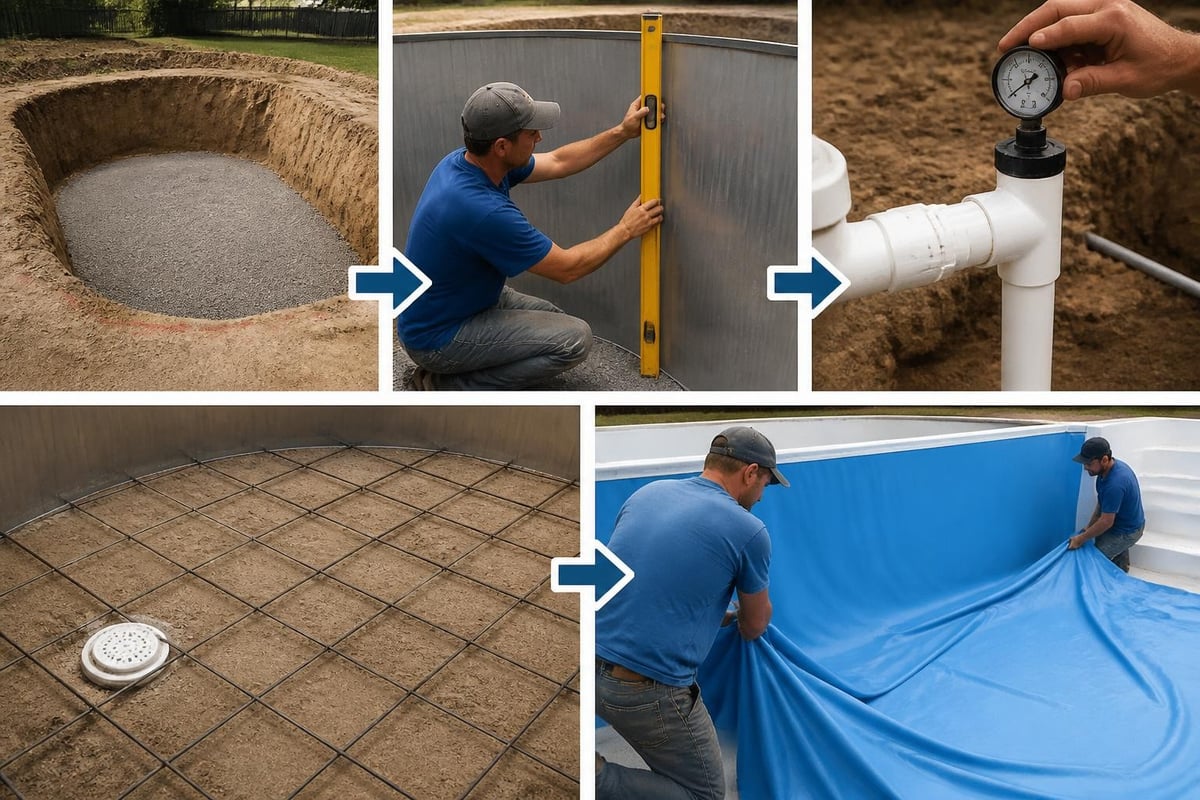
Liner installation occurs on calm days with moderate temperatures, as wind and extreme heat or cold affect material flexibility and fitting precision. Technicians vacuum air from behind the liner while filling begins, ensuring complete contact with walls and floor. Proper water chemistry during initial fill prevents staining and premature aging of new vinyl.
Design Flexibility and Customization Options
Modern vinyl liner pool construction offers extensive design freedom, contradicting outdated perceptions of limited rectangular shapes. Computer-aided design and precision manufacturing enable complex geometries that rival gunite capabilities at lower costs.
Shape and Configuration Possibilities
Steel and polymer wall systems accommodate virtually any shape through strategic panel placement and custom radius sections. Popular configurations include:
- Geometric designs with multiple angles and straight sides
- Kidney and free-form shapes using curved panel sections
- L-shaped pools separating shallow and deep zones
- Roman ends with gradual curves and tanning ledges
Step systems range from simple corner entry stairs to full-width beach entries and swim-out benches. Manufacturers offer pre-fabricated step units or custom-built options that integrate seamlessly into wall structures. Built-in spas require separate equipment circulation but share common walls with the main pool, creating unified appearance with dual functionality.
Aesthetic Customization Features
Liner patterns extend well beyond basic blue, with manufacturers offering tile mosaics, aggregate patterns, and solid designer colors. Popular 2026 trends include:
- Coastal blues mimicking Caribbean waters
- Graphite and charcoal for contemporary aesthetics
- Tile-print borders creating traditional pool appearance
- Aggregate finishes suggesting pebble or quartz surfaces
Coping selection frames the pool's appearance, with options ranging from economical aluminum track in white or tan to premium natural stone in travertine, bluestone, or granite. Coordinating pool finish with hardscape materials creates visual continuity throughout outdoor living areas.
Maintenance Requirements and Liner Care
Proper maintenance extends liner life and preserves water quality with minimal effort. Vinyl's smooth, non-porous surface resists algae better than concrete but requires protection from chemical imbalances and physical damage.
Water Chemistry Management
Maintaining balanced water chemistry prevents liner degradation and equipment damage. Target ranges include:
| Parameter | Ideal Range | Impact on Vinyl |
|---|---|---|
| pH | 7.4-7.6 | Low pH causes plasticizer loss |
| Total alkalinity | 80-120 ppm | Buffer against pH swings |
| Calcium hardness | 200-400 ppm | Prevents scaling, wrinkling |
| Free chlorine | 2-4 ppm | Sanitization without bleaching |
High chlorine levels above 5 ppm accelerate liner fading, particularly with printed patterns. Shocking should use non-chlorine oxidizers or calcium hypochlorite diluted before adding to pools. Never place chlorine tablets directly on vinyl surfaces, as concentrated chemical contact causes permanent bleaching and structural damage.
Physical Care and Damage Prevention
Pool brushes with nylon bristles prevent dirt buildup without scratching vinyl. Automatic cleaners designed for vinyl liners-with soft wheels and brushes-maintain cleanliness without abrasion. Robotic cleaners offer superior performance compared to suction or pressure-side alternatives while reducing main pump runtime.
Sharp objects represent vinyl's primary enemy. Remove jewelry before swimming, keep pets' nails trimmed, and avoid dragging furniture or equipment across liner surfaces. Winter covers should include padding at contact points to prevent punctures from ice expansion. Small tears or holes accept vinyl patch kits for immediate repair, preventing minor damage from expanding during pressure changes.
Seasonal Preparation
Los Angeles's climate eliminates traditional winterization, but seasonal adjustments optimize performance and efficiency. Reduced circulation schedules during November through March lower utility costs while maintaining adequate filtration. Lowering water temperature setpoints to 78-80°F reduces heating expenses without sacrificing comfort for year-round swimmers.
Spring preparation includes thorough cleaning, equipment inspection, and water testing after winter's reduced chemical demand. Check liner for wrinkles, fading, or separation at seams. Verify all fittings remain sealed and that wall panels show no corrosion or movement. Early detection of issues prevents emergency repairs during peak swimming season.
Vinyl liner pool construction delivers affordable backyard swimming through proven materials, flexible design, and straightforward installation when executed by experienced professionals. Understanding structural components, quality materials, and proper maintenance practices ensures decades of reliable performance from this cost-effective pool option. Whether you're considering your first pool or evaluating alternatives, AM BUILDS CA brings 15+ years of licensed construction expertise to every project, handling everything from initial design through final inspection with the clarity and professionalism that comes from direct owner involvement throughout your build.


