


Integrating a swimming pool in building structures represents one of the most complex challenges in modern construction. Whether located on rooftops, within podium decks, or inside enclosed fitness facilities, these installations require meticulous coordination between architects, structural engineers, mechanical designers, and pool construction specialists. Unlike traditional ground-level pools, building-integrated installations must address unique concerns including structural loading, waterproofing over occupied spaces, dehumidification systems, and strict compliance with electrical and accessibility codes. This guide explores the critical engineering considerations, design strategies, and construction best practices that ensure safe, durable, and functional results.
Structural Engineering Fundamentals for Pool Installations
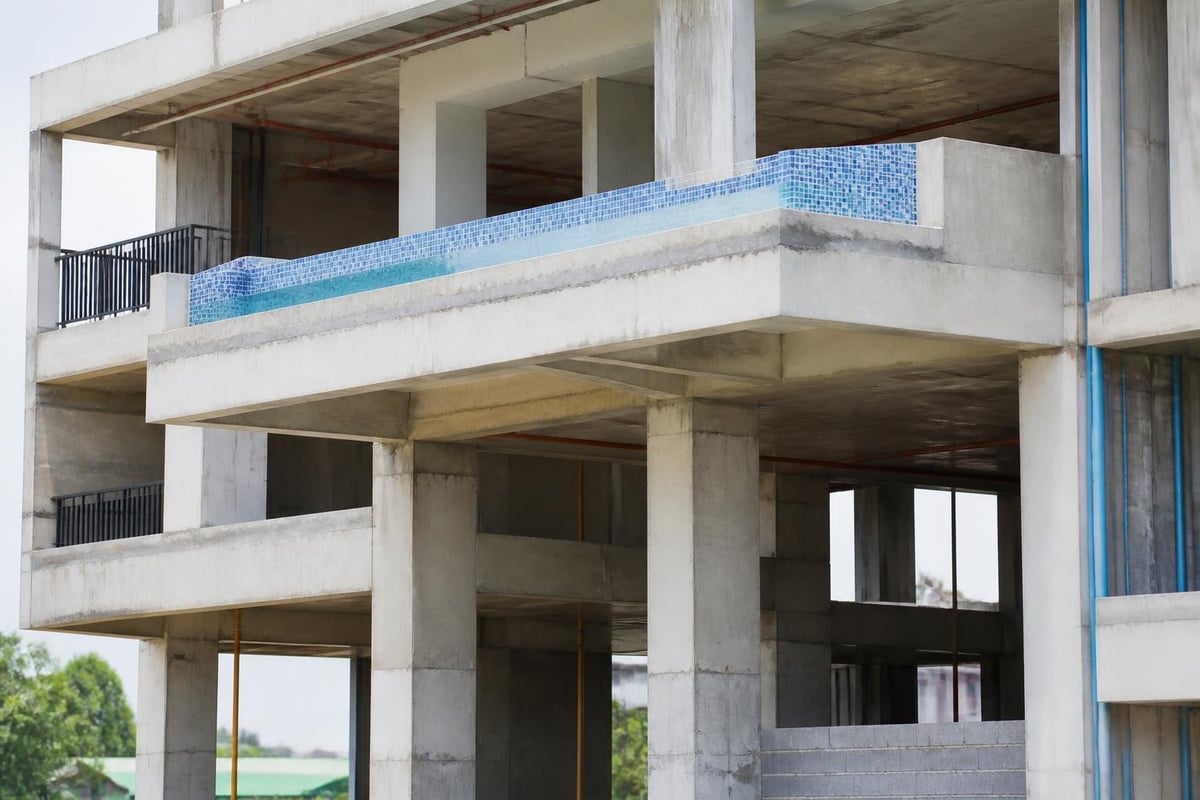
The foundation of any successful swimming pool in building design begins with rigorous structural analysis. Pool water weighs approximately 62.4 pounds per cubic foot, meaning a modest 20-foot by 40-foot pool with an average depth of 5 feet imposes roughly 250,000 pounds of dead load on the supporting structure.
Load Calculations and Distribution
Engineers must account for multiple concurrent loads when designing structural systems for elevated pools:
- Dead loads: Pool shell, water, deck materials, equipment, and mechanical systems
- Live loads: Bathers, furniture, maintenance personnel, and temporary equipment
- Dynamic loads: Wave action, diving impact, seismic forces, and wind pressures
- Thermal loads: Expansion and contraction cycles affecting both pool and building structure
According to structural engineering best practices, designers must evaluate vertical deflection limits carefully. Excessive deflection can crack pool shells, damage waterproofing membranes, and compromise finishes even when the structure remains safe for occupancy.
Material Selection and Reinforcement
Concrete remains the preferred structural material for swimming pool in building applications due to its compressive strength, formability, and durability. Post-tensioned concrete slabs offer several advantages:
| Structural System | Advantages | Considerations |
|---|---|---|
| Post-tensioned slabs | Reduced thickness, longer spans, minimal deflection | Requires specialized design and installation |
| Conventional reinforced concrete | Proven performance, widely available contractors | Greater thickness required for equivalent spans |
| Steel framing with concrete deck | Lighter overall weight, faster construction | Vibration control, deflection management critical |
| Hybrid systems | Optimizes each material's strengths | Complex detailing and coordination |
Steel reinforcement must meet enhanced corrosion protection standards when embedded in pool structures. Epoxy-coated rebar, increased concrete cover, and lower water-cement ratios all contribute to long-term durability in the aggressive chemical environment surrounding pool installations.
Waterproofing and Building Envelope Integration
Preventing water infiltration into occupied spaces below represents perhaps the most critical concern when designing a swimming pool in building assemblies. A single waterproofing failure can cause catastrophic damage to interior finishes, structural elements, and mechanical systems.
Multi-Layer Protection Systems
Successful waterproofing relies on redundant barrier layers rather than a single membrane. Industry best practices recommend a minimum of three distinct waterproofing components:
- Interior pool finish: Plaster, tile, or aggregate finishes that resist chemical degradation
- Structural waterproofing: Integral admixtures or crystalline treatments within concrete
- External membrane: Sheet-applied or liquid membranes below pool shell and deck
- Drainage layer: Provisions for water migration away from occupied spaces
The Construction Specifier discusses how pool placement over occupied spaces demands exceptional attention to detail. Even minor construction defects or material failures can lead to expensive remediation requiring complete pool removal.
Critical Waterproofing Details
Transitions, penetrations, and movement joints require special waterproofing detailing:
- Pipe penetrations: Mechanical boots, flexible sealants, and redundant seals at all plumbing lines
- Expansion joints: Compressible backer rod, elastomeric sealants, and waterstops at structure joints
- Perimeter conditions: Continuous membrane integration with building envelope and deck drains
- Equipment connections: Isolated waterproofing transitions at pump vaults, filter rooms, and conduit runs
Quality control during installation determines long-term performance. Third-party waterproofing consultants should conduct flood testing before installing finishes, with minimum 24-hour observation periods to identify even minor leaks.
Mechanical Systems and Indoor Air Quality
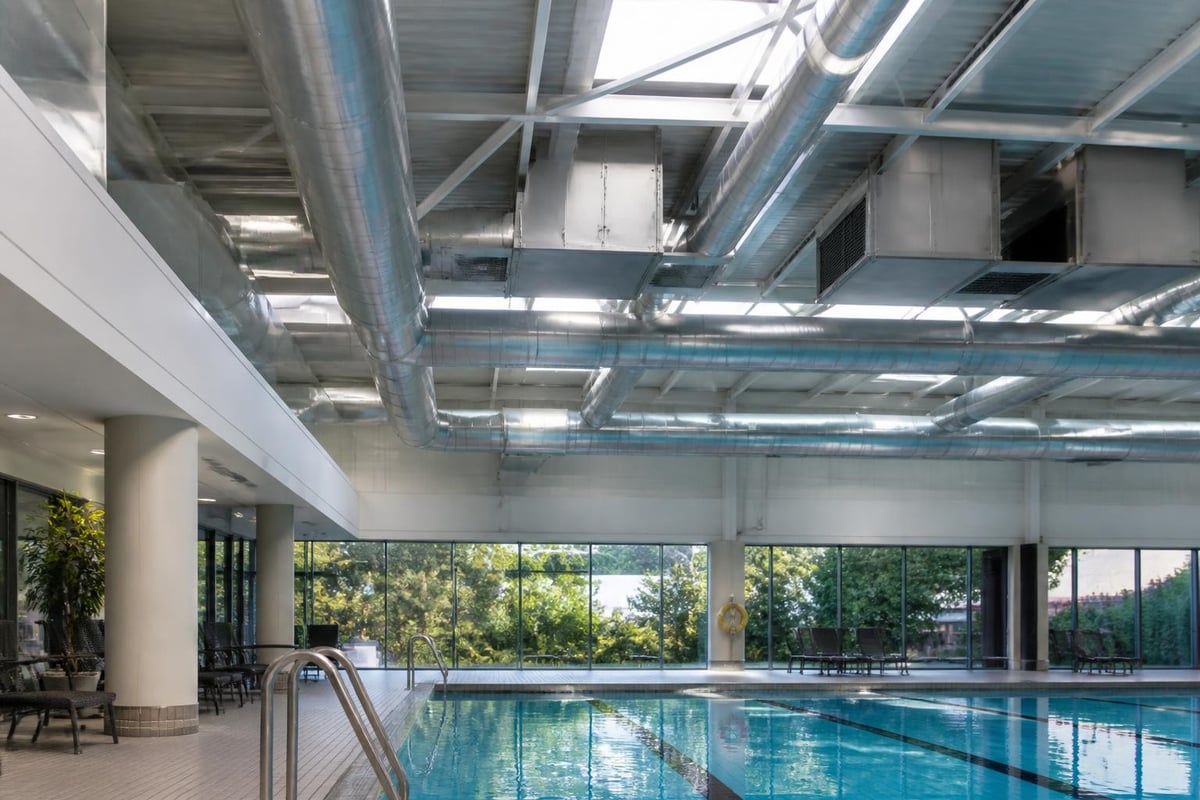
Indoor swimming pool in building installations present unique HVAC challenges that outdoor pools never encounter. Warm pool water continuously evaporates, introducing massive moisture loads into confined spaces that can damage building materials, promote mold growth, and create uncomfortable conditions.
Dehumidification Requirements
The ASHRAE Handbook provides authoritative guidance on calculating evaporation rates, which depend on water temperature, air temperature, relative humidity, and water surface agitation. A typical indoor pool evaporates 0.5 to 1.5 pounds of water per square foot per hour during occupied periods.
Key mechanical system components include:
- High-capacity dehumidifiers sized for peak evaporation loads
- Dedicated outdoor air systems meeting ventilation standards
- Positive pressure control preventing moisture migration into adjacent spaces
- Energy recovery systems reclaiming heat from exhaust air
- Corrosion-resistant ductwork and grilles suitable for chlorinated environments
Air Distribution Strategies
Proper air distribution prevents condensation on cool building surfaces while maintaining swimmer comfort:
- Supply air directed across water surface to capture evaporating moisture
- Wall and ceiling surfaces maintained above dew point through heating or insulation
- Return air intake positioned low to collect dense, humid air near water level
- Minimum air velocity standards to prevent drafts on wet swimmers
Energy-efficient designs integrate pool water heating with dehumidification equipment, using rejected heat from condensing water vapor to maintain comfortable water temperatures.
Electrical and Lighting Compliance
Electrical installations around swimming pool in building environments must meet stringent safety requirements. Water and electricity create potentially fatal combinations, making National Electrical Code Article 680 compliance mandatory for all pool-related electrical work.
Bonding and Grounding
All metallic components within the pool area require equipotential bonding to eliminate voltage gradients:
- Reinforcing steel within pool shell bonded to common grid
- Metal railings, ladders, lights, and deck drains connected to bonding system
- Pool water bonded through intentional connection to bonding grid
- Mechanical equipment frames and enclosures properly grounded
A qualified electrician must verify proper bonding using low-resistance ohmmeters before pool filling and operation commence.
Ground Fault Protection
Ground Fault Circuit Interrupter (GFCI) protection applies to virtually all electrical circuits serving pool areas. Requirements include:
| Circuit Type | GFCI Requirement | Trip Threshold |
|---|---|---|
| Underwater lighting | Required | 5 milliamps |
| Receptacles within 20 feet | Required | 5 milliamps |
| Pool pump motors | Required | 5 milliamps |
| Deck area receptacles | Required | 5 milliamps |
Low-voltage lighting systems (12V or 15V) offer additional safety margins for underwater and deck applications, though they still require proper transformers and GFCI protection.
Accessibility and Universal Design
Public and commercial swimming pool in building installations must comply with Americans with Disabilities Act requirements. The Department of Justice provides detailed guidance on accessible means of entry and exit.
Required Pool Entry Methods
Pools must provide at least two accessible means of entry from the following options:
- Pool lifts: Fixed or removable mechanical lifts capable of 300-pound capacity
- Sloped entries: Zero-depth beaches with maximum 1:12 slope and slip-resistant surface
- Transfer walls: 16-inch height walls with grab bars and clear deck space
- Transfer systems: Multi-step systems with platforms and handholds
- Pool stairs: Recessed treads with uniform riser height and handrails
Residential pools serving single-family homes remain exempt from ADA requirements, though universal design principles benefit all users regardless of legal obligations.
Circulation and Clearance Requirements
Accessible routes must connect to pool entry points with minimum 36-inch clear width. Deck surfaces require slip-resistant finishes, and clear floor space at lifts and transfers must remain free of obstructions. Signage indicating accessible entry locations helps users navigate facilities efficiently.
Plumbing Systems and Water Quality
Hydraulic design significantly impacts both water quality and operational costs for swimming pool in building installations. Proper circulation prevents dead zones where bacteria and algae can proliferate while optimizing filtration efficiency.
Circulation and Filtration
Commercial pool codes typically require complete water turnover every 6 to 8 hours, though high-use facilities may specify faster cycles:
- Suction systems: Main drains, skimmers, and overflow gutters collect water for filtration
- Pump sizing: Flow rates calculated based on turnover requirements and hydraulic losses
- Filtration: Sand, cartridge, or diatomaceous earth filters sized for flow rates and water chemistry
- Return distribution: Wall and floor inlets positioned to eliminate stagnant zones
The WHO Guidelines for safe recreational water environments emphasize that hydraulic design directly influences pathogen control and swimmer health outcomes.
Chemical Treatment Systems
Automated chemical controllers maintain proper water balance with minimal operator intervention:
- Chlorine or bromine injection: Maintains 1-3 ppm residual sanitizer
- pH control: Acid or base addition keeping pH between 7.2-7.8
- Alkalinity adjustment: Stabilizes pH and prevents corrosion or scaling
- Cyanuric acid: Protects chlorine from UV degradation in outdoor applications
Chemical storage rooms require proper ventilation, spill containment, and emergency eyewash stations when serving swimming pool in building installations.
Construction Sequencing and Quality Control
Building integrated pools demands careful sequencing to prevent costly rework and ensure system performance. Unlike grade-level pools where soil provides natural formwork, elevated installations require extensive temporary support.
Pre-Construction Planning
Successful projects begin with thorough coordination between all trades:
- Structural drawings showing reinforcement, embedments, and support systems
- Architectural plans detailing finishes, deck drainage, and building integration
- Mechanical schedules for equipment locations, access panels, and utility routing
- Electrical layouts addressing bonding, lighting, and equipment power
- Plumbing coordination for drains, returns, and equipment connections
Building Information Modeling (BIM) helps identify conflicts before construction begins, reducing field changes and associated costs. For homeowners planning custom in-ground pool construction in Los Angeles, working with experienced contractors ensures permit compliance and proper coordination between pool specialists and general construction trades.
Quality Assurance Checkpoints
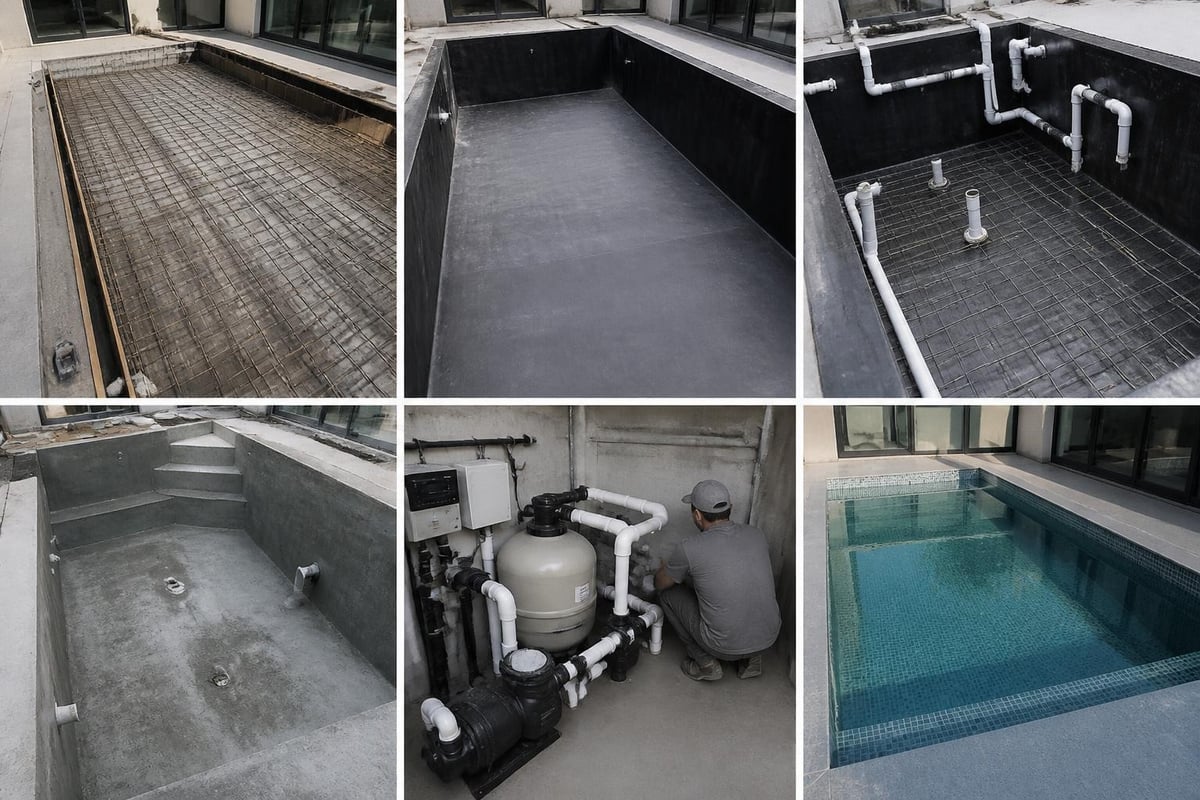
Critical inspection points during construction include:
| Construction Phase | Inspection Requirements | Documentation |
|---|---|---|
| Structural steel/concrete | Reinforcement placement, embedment verification | As-built drawings, photos |
| Waterproofing | Flood testing, membrane continuity | Test reports, warranties |
| Plumbing rough-in | Pressure testing, proper slope verification | Test pressures, flow calculations |
| Electrical bonding | Resistance measurements, connection verification | Test readings, inspector signoff |
| Final startup | Water chemistry, flow rates, equipment operation | Commissioning reports |
Third-party inspections at each phase provide objective verification that work meets specifications and applicable codes.
Maintenance Access and Long-Term Operations
Operating a swimming pool in building environments requires accessible equipment rooms and straightforward maintenance procedures. Poor access planning leads to deferred maintenance, accelerated equipment failure, and shortened system lifespan.
Equipment Room Design
Properly sized mechanical rooms accommodate equipment service and replacement:
- Minimum clearances around pumps, filters, and heaters per manufacturer specifications
- Adequate ceiling height for vertical equipment removal and replacement
- Floor drains and waterproof finishes to contain spills and leaks
- Ventilation preventing hazardous gas accumulation from chemical storage
- Lighting levels supporting detailed inspection and maintenance work
Equipment should be positioned allowing individual component removal without disturbing adjacent systems. Oversized access doors and corridors prevent expensive demolition when pumps or filters reach end-of-life.
Operational Considerations
Building owners should establish comprehensive maintenance programs addressing:
- Daily water chemistry testing and chemical adjustment
- Weekly backwashing of filters and cleaning of skimmer baskets
- Monthly inspection of pumps, motors, and automated controllers
- Quarterly professional equipment service and calibration
- Annual drain-down, acid washing, and detailed facility inspection
Documentation of all maintenance activities supports warranty compliance and helps operators identify developing problems before they cause failures.
Residential vs. Commercial Applications
Design requirements vary dramatically between private residential swimming pool in building installations and commercial facilities serving public or semi-public populations. Understanding these distinctions ensures appropriate code compliance and performance expectations.
Single-Family Residential Installations
Homeowners increasingly incorporate pools into multi-level residential designs, particularly in dense urban areas where yard space is limited:
- Rooftop locations: Maximize outdoor space while maintaining ground-level yards
- Basement installations: Create year-round swimming facilities in climate-controlled environments
- Podium decks: Integrate pools into second-story outdoor living spaces above garages
Residential installations typically follow the same engineering principles as commercial work but may have simplified code requirements for circulation rates, accessibility features, and safety equipment. Homeowners in areas like Encino, Calabasas, or Brentwood benefit from contractors experienced in both traditional ground-level and elevated pool installations.
Commercial and Multi-Family Projects
Hotels, condominiums, fitness centers, and apartment buildings face more stringent regulatory oversight:
- State and local health department pool codes
- ADA accessibility requirements
- Commercial building and fire codes
- Liability insurance and safety equipment mandates
- Professional operator certification requirements
Commercial projects demand more robust structural systems, higher-capacity mechanical equipment, and extensive safety features compared to residential work.
Code Compliance and Permitting
Every swimming pool in building project requires multiple permits and inspections from various regulatory agencies. Navigating the approval process efficiently prevents costly delays and ensures legal operation.
Required Permits and Approvals
Typical permit requirements include:
- Building permit: Structural modifications, pool shell construction, deck work
- Mechanical permit: HVAC systems, dehumidification equipment, ventilation
- Plumbing permit: Pool circulation, drainage systems, water supply
- Electrical permit: Bonding, lighting, equipment power, GFCI protection
- Health department: Water quality systems, chemical handling, operational procedures
Local jurisdictions may impose additional requirements for environmental review, zoning variances, or neighborhood notification, particularly for rooftop installations visible from surrounding properties.
Inspector Coordination
Successful projects maintain open communication with building inspectors throughout construction:
- Pre-construction meetings to review plans and clarify expectations
- Advance scheduling of inspections to prevent workflow interruptions
- Detailed documentation of approved materials and installation methods
- Prompt correction of any deficiencies identified during inspections
Working with licensed contractors familiar with local jurisdiction requirements streamlines the approval process and reduces the risk of costly corrections.
Future Trends and Innovations
The swimming pool in building sector continues evolving as new materials, technologies, and design approaches emerge. Several trends are shaping the industry's direction:
Sustainability initiatives drive adoption of solar heating, variable-speed pumps, LED lighting, and saltwater chlorination systems that reduce energy consumption and operating costs. Advanced filtration using UV sanitization or ozone generation decreases chemical usage while maintaining superior water quality.
Smart pool controls enable remote monitoring and adjustment of temperature, chemistry, and equipment operation through smartphone applications. Predictive maintenance algorithms alert operators to developing problems before equipment failures occur, reducing downtime and repair expenses.
Modular construction techniques allow factory fabrication of pool components with controlled quality and faster site installation. Prefabricated stainless steel or fiberglass shells simplify waterproofing and reduce construction duration compared to traditional cast-in-place concrete methods.
Wellness-focused amenities integrate swim spas, resistance current systems, and therapy features that appeal to health-conscious building occupants. Combination pools supporting both recreational swimming and aquatic fitness expand market appeal in residential and commercial developments.
Risk Management and Insurance
The financial and legal implications of swimming pool in building failures demand comprehensive risk management strategies. Property owners should address potential liabilities before construction begins.
Insurance Coverage Requirements
Standard property insurance may exclude or limit coverage for pool-related damage. Specialized policies addressing water damage, structural failures, and third-party injuries provide essential protection:
- Builder's risk insurance: Covers construction-phase losses from accidents, weather, or theft
- Professional liability: Protects designers and engineers from claims of negligent design
- Completed operations: Addresses defects discovered after project completion
- Umbrella policies: Provide additional liability limits beyond primary coverage
Commercial pool operators require additional coverage for injuries to swimmers, employees, and maintenance personnel, with policy limits reflecting the facility's size and usage patterns.
Contractual Risk Allocation
Construction contracts should clearly define each party's responsibilities and risk exposure:
| Contract Element | Purpose | Key Provisions |
|---|---|---|
| Scope of work | Defines deliverables and standards | Detailed specifications, performance criteria |
| Warranties | Establishes quality guarantees | Duration, coverage, exclusions |
| Indemnification | Allocates liability between parties | Defense obligations, limitation of liability |
| Insurance requirements | Mandates coverage types and limits | Certificate requirements, additional insured status |
Legal counsel experienced in construction law should review all contracts before execution, ensuring enforceable protections for property owners and contractors alike.
Integrating a swimming pool in building structures successfully requires expertise spanning structural engineering, mechanical systems, waterproofing, electrical safety, and code compliance. The complexity of these installations demands experienced professionals who understand how pool construction interacts with broader building systems. If you're considering an elevated, rooftop, or indoor pool project in Los Angeles, AM BUILDS CA brings 15+ years of licensed, family-owned experience to every custom installation. Our team handles complete design-through-construction services with transparent pricing and direct owner involvement. Call (424) 485-4548 for a free, no-obligation estimate and discover how proper planning and skilled execution create beautiful, durable results.


