


Installing a safety barrier around your backyard swimming pool represents one of the most critical decisions you'll make as a pool owner. Swimming pool fence installation protects children, pets, and neighbors from accidental water entry while satisfying legal requirements and insurance policies. Whether you're planning a new pool project or retrofitting an existing installation, understanding the regulations, materials, options, and professional installation process ensures you create a secure environment without compromising your property's aesthetic appeal.
Legal Requirements and Building Codes
Every municipality enforces specific barrier regulations designed to prevent drowning incidents. In Los Angeles, swimming pool fence installation must comply with California Health and Safety Code Section 115922, which mandates isolation barriers for all residential pools constructed or remodeled after 2007.
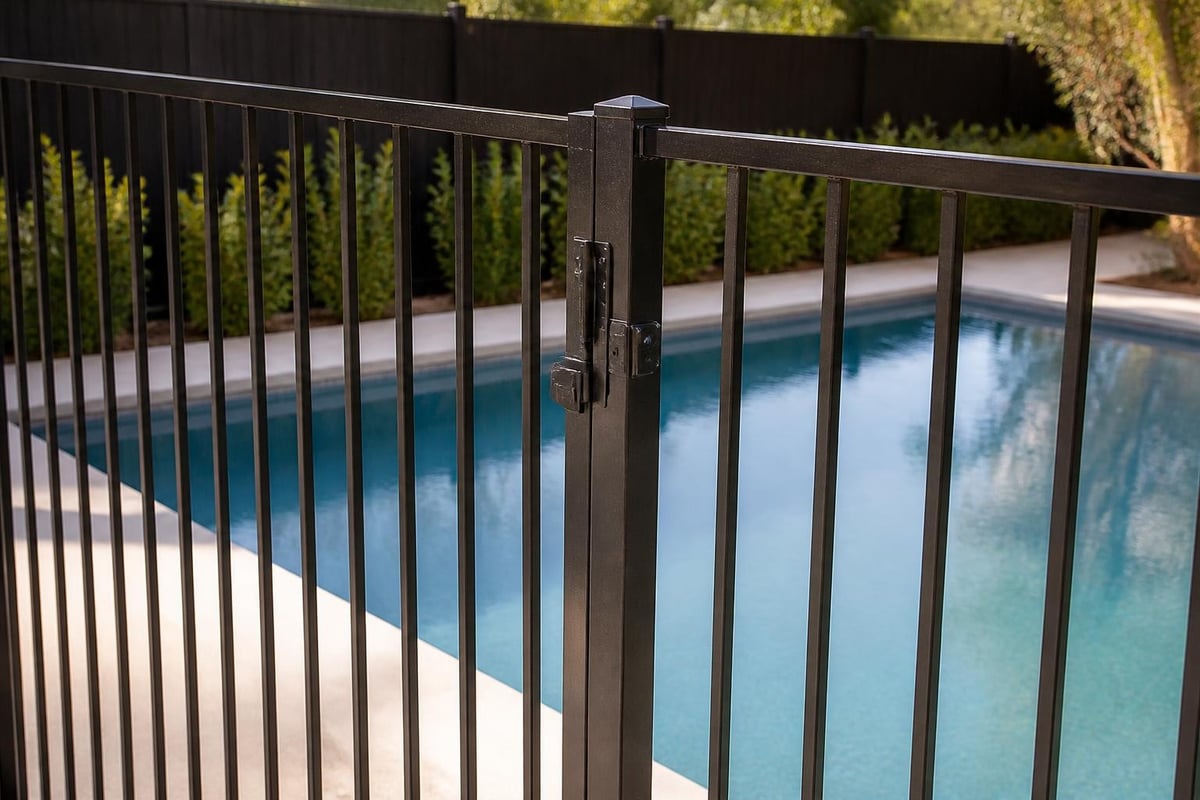
The code requires barriers at least 60 inches tall measured from grade. Vertical members must have spacing no greater than 1.75 inches, preventing children from squeezing through. Horizontal members on the exterior side should be at least 45 inches apart to discourage climbing. The American Red Cross provides comprehensive guidance on home pool safety, including isolation fencing recommendations that exceed minimum code requirements.
Gates require self-closing and self-latching mechanisms. Release mechanisms must be at least 54 inches from grade or equipped with childproof locks. These specifications aren't suggestions but mandatory elements verified during final inspection.
Permit and Inspection Process
Building permits for swimming pool fence installation typically cost between $150 and $400 in Los Angeles County. Applications require site plans showing fence location, gate positions, and clearances from property lines.
Required Documentation:
- Site plan with fence layout
- Product specifications and engineering data
- Gate hardware specifications
- Contractor license verification (CSLB number)
- Homeowner authorization
Inspectors verify compliance during rough and final inspections. Common rejection points include improper latch height, excessive gap beneath gates, and climbable surfaces within three feet of the barrier. Scheduling inspections promptly prevents project delays and ensures your pool can legally be filled and used.
Material Options and Performance Characteristics
Selecting the right material balances safety, durability, maintenance, and aesthetic preferences. Each option presents distinct advantages and limitations that affect long-term satisfaction.
| Material | Lifespan | Maintenance | Visibility | Typical Cost |
|---|---|---|---|---|
| Mesh | 8-12 years | Low (seasonal removal) | High | $15-25/linear foot |
| Aluminum | 20-30 years | Very low | Medium-High | $25-40/linear foot |
| Glass | 25-35 years | Medium (cleaning) | Excellent | $200-350/linear foot |
| Wrought Iron | 30-50 years | Medium (rust prevention) | Medium | $30-50/linear foot |
| Wood | 10-20 years | High (staining, sealing) | Low-Medium | $20-35/linear foot |
Removable Mesh Fencing
Mesh barriers use tightly woven fabric stretched between powder-coated aluminum poles anchored in deck sleeves. This option excels for homeowners wanting unobstructed pool views during adult supervision. The ASTM F2286 standard defines performance requirements for mesh pool fencing, including strength, UV resistance, and latching mechanisms.
Installation takes four to six hours for standard residential pools. Poles install in brass deck sleeves drilled and epoxied into concrete. The mesh tension creates a rigid barrier despite appearing lightweight. During winter or adult-only gatherings, the entire fence removes in minutes and stores compactly.
Mesh fencing suits temporary installations and rentals but requires replacement every decade as UV exposure degrades fabric integrity. Professional installation ensures proper tension and secure anchoring.
Aluminum and Ornamental Metal
Powder-coated aluminum offers the best durability-to-maintenance ratio. Factory-welded panels arrive ready to install with minimal on-site fabrication. Aluminum won't rust in chlorinated environments, making it ideal for pool decks exposed to splash-out and chemical drift.
Standard profiles include flat-top, spear-top, and decorative finials. Black remains most popular, though manufacturers offer bronze, white, and custom colors. Panels typically measure 6 or 8 feet wide and 48, 54, or 60 inches tall.
When you're building a new pool and considering coordinated elements, working with experienced in-ground pool contractors ensures your fence installation integrates seamlessly with deck layout and drainage patterns.
Frameless Glass Panels
Glass barriers create uninterrupted sightlines while meeting safety codes. Half-inch tempered glass panels mount in stainless steel spigots anchored to concrete. Panels stand independently without top or bottom rails, creating a nearly invisible barrier.
Glass excels for infinity edges, hillside installations, and properties where preserving views justifies premium costs. Chlorine splashes, hard water deposits, and handprints require weekly cleaning to maintain clarity. Professional installation demands precise measurements and structural engineering to handle wind loads and seismic requirements in Los Angeles.
Planning Your Installation Layout
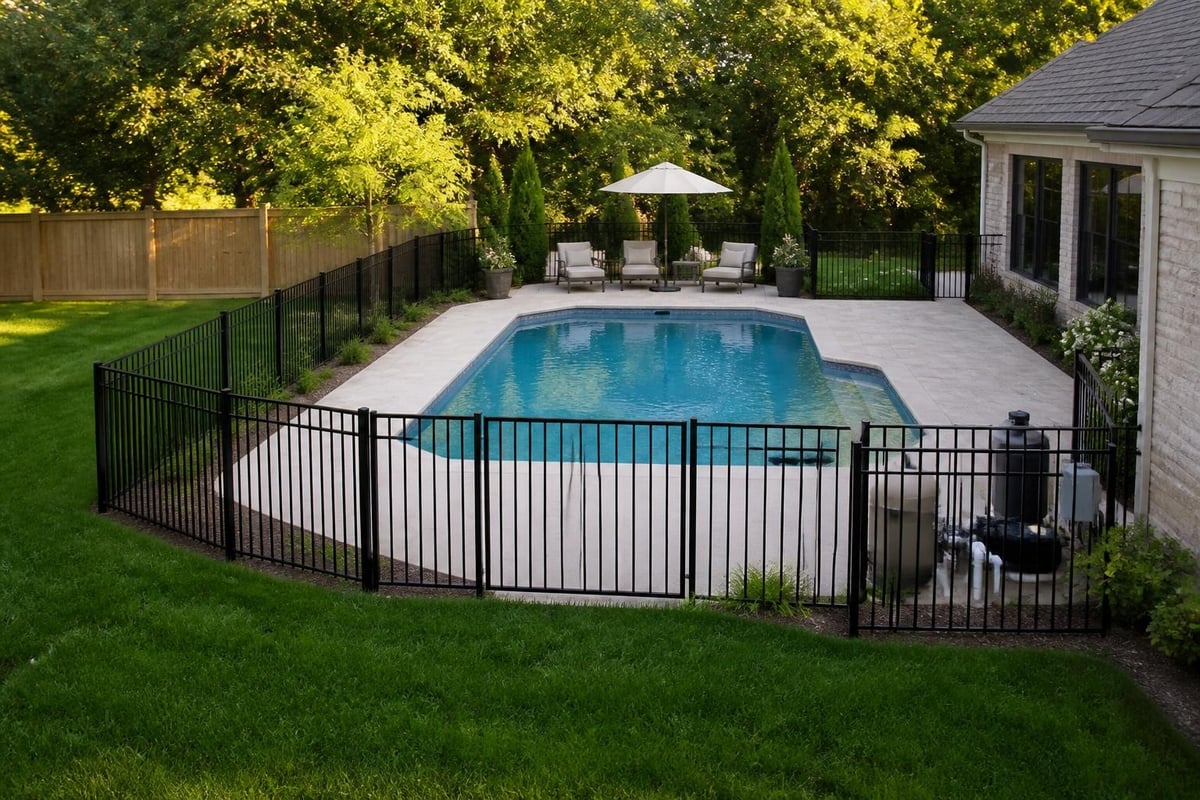
Effective swimming pool fence installation begins with strategic planning that accounts for traffic flow, equipment access, and building setbacks.
Gate Placement Strategy
Position gates to create logical pathways between your home and pool area. Most installations include:
- Primary access gate – Located closest to main house entry, typically 36-48 inches wide
- Equipment access gate – Narrow 36-inch gate near filter equipment and utilities
- Secondary exit – Additional gate providing emergency egress from pool area
Avoid placing gates directly opposite each other, which creates through-traffic that leaves barriers open. The World Health Organization reports that improper gate use and barriers left open contribute significantly to childhood drowning incidents, emphasizing the importance of thoughtful gate positioning.
Setback and Clearance Considerations
Most municipalities require fences to sit inside property lines by at least 6 inches. Verify your property survey before finalizing layout. Common clearance requirements include:
- Pool equipment: Maintain 36-inch clearance for filter access, chemical storage, and heater service
- Utility easements: Keep fences clear of underground utilities and access corridors
- Drainage: Avoid blocking surface water flow across property
- Vegetation: Ensure fence line avoids mature tree roots and allows irrigation access
When planning your layout alongside other pool features, consider how fencing integrates with elements discussed in resources about pool deck installation to create cohesive outdoor living spaces.
Professional Installation Process
Swimming pool fence installation follows a methodical sequence ensuring structural integrity and code compliance. While experienced DIYers can tackle mesh systems, permanent metal and glass installations benefit from professional expertise.
Site Preparation and Layout
Contractors begin by marking fence lines with string and stakes, verifying measurements against approved plans. This step identifies conflicts with irrigation lines, lighting conduits, or deck expansion joints. On existing pool decks, installers locate rebar with magnetic scanners to avoid drilling into structural steel.
Professional teams use laser levels to ensure consistent height across sloped terrain. This becomes critical when the pool deck includes multiple elevation changes or wraps around hillside properties common throughout Los Angeles.
Post Installation Methods
For Concrete Decks:
- Core drill holes 3-4 inches deep using diamond bits
- Clean debris with compressed air
- Install posts with structural epoxy rated for wet environments
- Allow 24-hour cure time before tensioning or panel installation
For Soil Installation:
- Auger holes 24-30 inches deep
- Install posts in quick-setting concrete
- Plumb and brace during curing
- Allow minimum 48-hour cure before attaching rails or panels
Proper post installation determines fence longevity. Shallow holes, inadequate concrete, or poor alignment creates stress points leading to premature failure.
Panel and Gate Assembly
Metal fence panels attach to posts using self-tapping screws or welded brackets. Installers verify level across each section, shimming as needed to compensate for deck irregularities. Pre-hung gates receive final adjustments ensuring smooth operation and positive latching.
Glass installations require precision shimming to achieve perfect plumb. Even minor misalignment creates stress concentrations that may cause spontaneous fracture months after installation. Licensed contractors carry liability insurance covering these specialized installations.
The PHTA standards directory provides technical specifications that professional installers reference to ensure industry best practices during assembly and hardware selection.
Cost Factors and Budget Planning
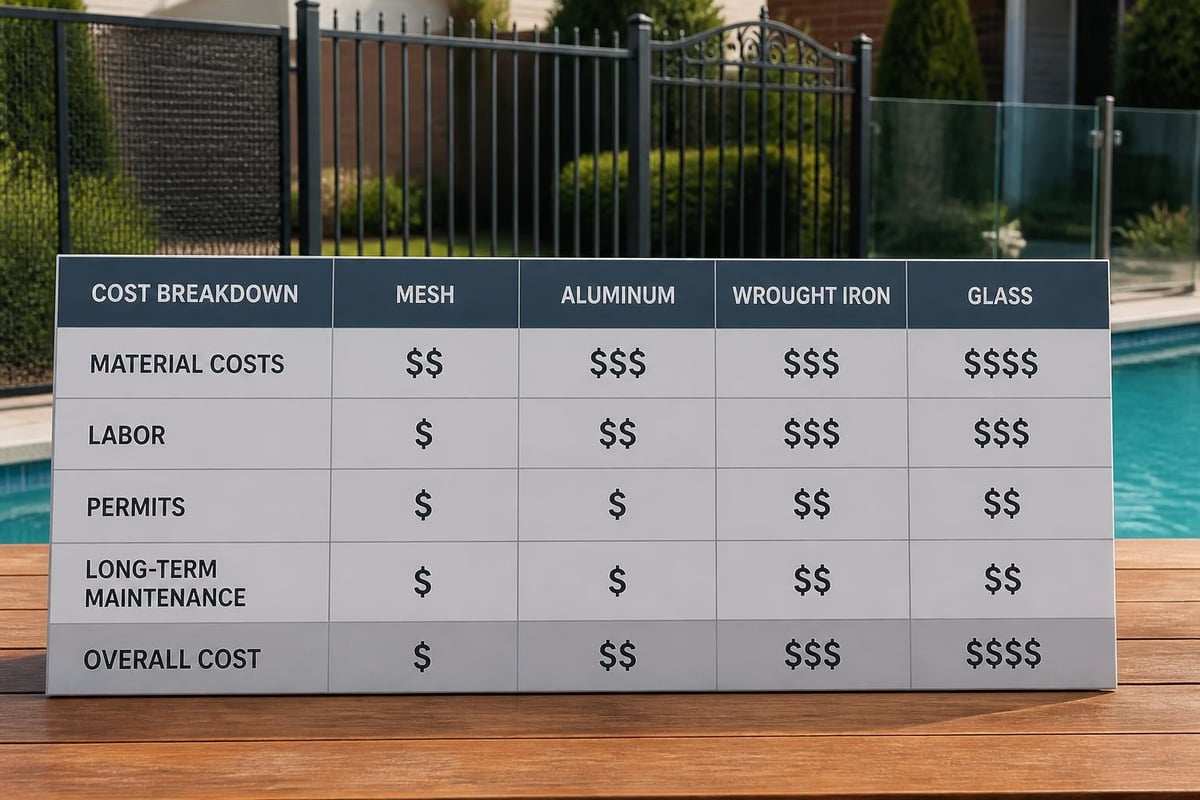
Swimming pool fence installation costs vary based on material selection, linear footage, site conditions, and local labor rates. Los Angeles homeowners should budget accordingly for quality installations that pass inspection on first submission.
Material and Labor Breakdown
Average Los Angeles Installation Costs (2026):
| Fence Type | Material Cost | Labor Cost | Total Per Linear Foot |
|---|---|---|---|
| Mesh (removable) | $10-15 | $5-10 | $15-25 |
| Aluminum (standard) | $18-28 | $7-12 | $25-40 |
| Ornamental Iron | $22-35 | $8-15 | $30-50 |
| Glass (frameless) | $140-220 | $60-130 | $200-350 |
Standard residential pools requiring 100-150 linear feet of fencing should budget $2,500-$6,000 for aluminum installations or $20,000-$45,000 for premium glass barriers. These figures include permits, materials, professional installation, and code-compliant gates.
Hidden Costs and Upgrades
Beyond base installation, several factors increase total project costs:
- Curved sections: Custom-fabricated curved panels add 30-50% premium
- Slopes and steps: Raked panels following grade changes cost 20-40% more than standard sections
- Decorative gates: Upgraded hardware, automation, or ornamental designs add $400-$1,200 per gate
- Powder coating colors: Custom colors beyond standard black increase material costs 15-25%
- Permit expediting: Rush permit processing fees range $100-$300 in Los Angeles County
Research on cost-effective pool construction shows that including fence installation in initial pool budgets prevents sticker shock and ensures proper safety planning from project inception.
Maintenance and Long-Term Performance
Proper maintenance extends fence lifespan and preserves both function and appearance. Each material type requires specific care protocols.
Aluminum and Metal Fence Care
Powder-coated aluminum needs minimal attention but benefits from quarterly cleaning. Rinse with garden hose to remove chlorine residue, pollen, and dust. For stubborn deposits, use mild dish soap and soft brush. Avoid abrasive cleaners that scratch protective coating.
Inspect gate hardware annually. Lubricate hinges and latches with silicone spray. Spring mechanisms in self-closing hinges weaken over time; replace when gates no longer close reliably. Tighten loose screws before they elongate mounting holes.
Touch up paint chips immediately to prevent corrosion underneath powder coating. Most manufacturers sell touch-up paint matching original finishes.
Glass Panel Maintenance
Frameless glass requires weekly cleaning to maintain clarity. Use automotive glass cleaner or vinegar solution with squeegee. Hard water stains from sprinkler overspray etch glass permanently if left untreated; apply water-repellent coating to simplify cleaning.
Inspect mounting hardware quarterly. Stainless steel spigots resist corrosion but require checking for loose set screws. Tighten carefully to avoid over-torquing, which may crack glass.
Replace cracked or chipped panels immediately. Tempered glass maintains strength until spontaneous failure. Chips indicate stress risers that may cause sudden collapse.
Mesh Fence Seasonal Care
Remove mesh fencing before winter if you close your pool seasonally. Rinse fabric thoroughly, allow complete drying, and store in garage or shed. Poles store vertically to prevent warping.
Inspect fabric annually for UV degradation. Mesh showing brittleness, fading, or loose weaving requires replacement. Most manufacturers recommend complete fabric replacement every 8-10 years regardless of visible condition.
Enhancing Safety Beyond Basic Compliance
While swimming pool fence installation satisfies legal requirements, additional layers of protection create comprehensive water safety systems.
Supplemental Safety Measures:
- Pool alarms: Surface wave detection or subsurface pressure sensors alert to unexpected water entry
- Door alarms: Magnetic contact alarms on house doors leading to pool area
- Security cameras: Monitoring systems providing real-time pool area surveillance
- Safety covers: Automatic covers providing secondary barrier when pool isn't in use
- Rescue equipment: Reaching poles and life rings stored in accessible locations
Academic research demonstrates that multi-layered approaches combining isolation fencing with alarms and supervision protocols reduce drowning risk more effectively than single interventions alone.
Working With Licensed Contractors
Swimming pool fence installation requires coordination between homeowners, contractors, and building departments. Selecting qualified professionals ensures code compliance and long-term satisfaction.
Contractor Selection Criteria
Verify contractors hold active California contractor licenses (CSLB verification). General contractors (Class B) or specialty fence contractors (Class C-13) can legally install pool barriers. Request proof of liability insurance and workers' compensation coverage.
Check references from recent pool fence projects. Visit completed installations if possible, examining gate operation, finish quality, and overall workmanship. Online reviews provide additional perspective but verify through direct contact with past clients.
Request detailed written estimates specifying materials by manufacturer and model number, installation timeline, permit handling, and payment schedule. Avoid contractors requiring large upfront deposits or offering prices significantly below market rates.
Project Timeline Expectations
Professional swimming pool fence installation follows a predictable schedule:
- Initial consultation and measurement (1-2 hours)
- Permit application submission (completed within 3-5 business days)
- Permit approval (2-4 weeks depending on jurisdiction backlog)
- Material ordering and fabrication (1-3 weeks for standard products)
- Installation (1-3 days depending on complexity and linear footage)
- Final inspection (scheduled within 2-5 business days of completion)
Total project duration typically spans 6-10 weeks from initial consultation to final approval. Rush timelines are possible but may incur expediting fees.
Integration With Landscape Design
Thoughtful swimming pool fence installation enhances rather than detracts from outdoor aesthetics. Modern barrier systems complement landscape architecture while maintaining safety as the primary function.
Strategic planting softens fence lines without creating climbable vegetation within three feet of barriers. Ornamental grasses, low shrubs, and groundcovers add texture and color. Avoid trees or large shrubs that drop leaves into pool or obstruct gate operation.
Lighting integrated into fence posts provides security and ambiance. Low-voltage LED fixtures mounted on posts or incorporated into caps illuminate pathways without glare. Coordinate fence finish with other hardscape elements including pool deck materials to create unified design language.
Swimming pool fence installation combines safety engineering, legal compliance, and design consideration into a single critical element of responsible pool ownership. By understanding code requirements, evaluating material options, planning strategic layouts, and partnering with qualified professionals, Los Angeles homeowners create secure barriers that protect families while enhancing property value. AM BUILDS CA brings 15+ years of experience to every pool project, coordinating fence installation with comprehensive pool construction services under CSLB license #1153503. Contact our family-owned team at (424) 485-4548 for a free estimate that addresses your complete pool safety and construction needs.


