


Building a custom swimming pool in Los Angeles is a significant investment that transforms your outdoor living space and adds lasting value to your property. Whether you're envisioning a sleek infinity pool overlooking the city, a family-friendly oasis with a spa and tanning ledge, or a contemporary design with fire features and LED lighting, choosing the right swimming pool contractors in Los Angeles determines the success of your project. The Greater Los Angeles area presents unique challenges-from navigating strict permitting requirements through the Los Angeles Department of Building and Safety to managing water-efficient equipment standards under California's Title 24 regulations-that demand experienced, licensed professionals who understand local codes and construction best practices.
Understanding the Los Angeles Pool Construction Landscape
Los Angeles County encompasses diverse microclimates, soil conditions, and municipal jurisdictions, each with distinct requirements for residential pool projects. The hillside properties of Pacific Palisades face different engineering challenges than the flatter terrain of Long Beach or Torrance.
Licensing and Regulatory Framework
California law requires all swimming pool contractors to hold an active Contractors State License Board (CSLB) license. For comprehensive pool projects that include structural work, plumbing, electrical, and decking, a General Contractor (B license) or Pool/Spa Contractor (C-53 license) classification is essential.
Key licensing considerations include:
- Valid CSLB license with no disciplinary actions
- Workers' compensation insurance coverage
- General liability insurance (minimum $1 million recommended)
- Current Los Angeles business tax registration
- Bonding requirements for municipal projects
The Los Angeles Department of Building and Safety oversees plan review and permitting for pool construction within city limits, while surrounding municipalities maintain their own building departments. Understanding which jurisdiction governs your property is the first step in any pool project.
Climate and Water Efficiency Mandates
Southern California's Mediterranean climate allows year-round pool use, but ongoing drought conditions have intensified water conservation requirements. The 2022 California Building Energy Efficiency Standards mandate specific pump efficiency ratings, automation controls, and equipment specifications that qualified swimming pool contractors in Los Angeles must implement.
Modern pool designs incorporate:
- Variable-speed pumps (mandatory since 2006, updated standards in 2022)
- Automated pool covers to reduce evaporation
- Efficient heater options (heat pumps, solar, or high-efficiency gas)
- Smart controllers for optimization and grid-interactive demand response
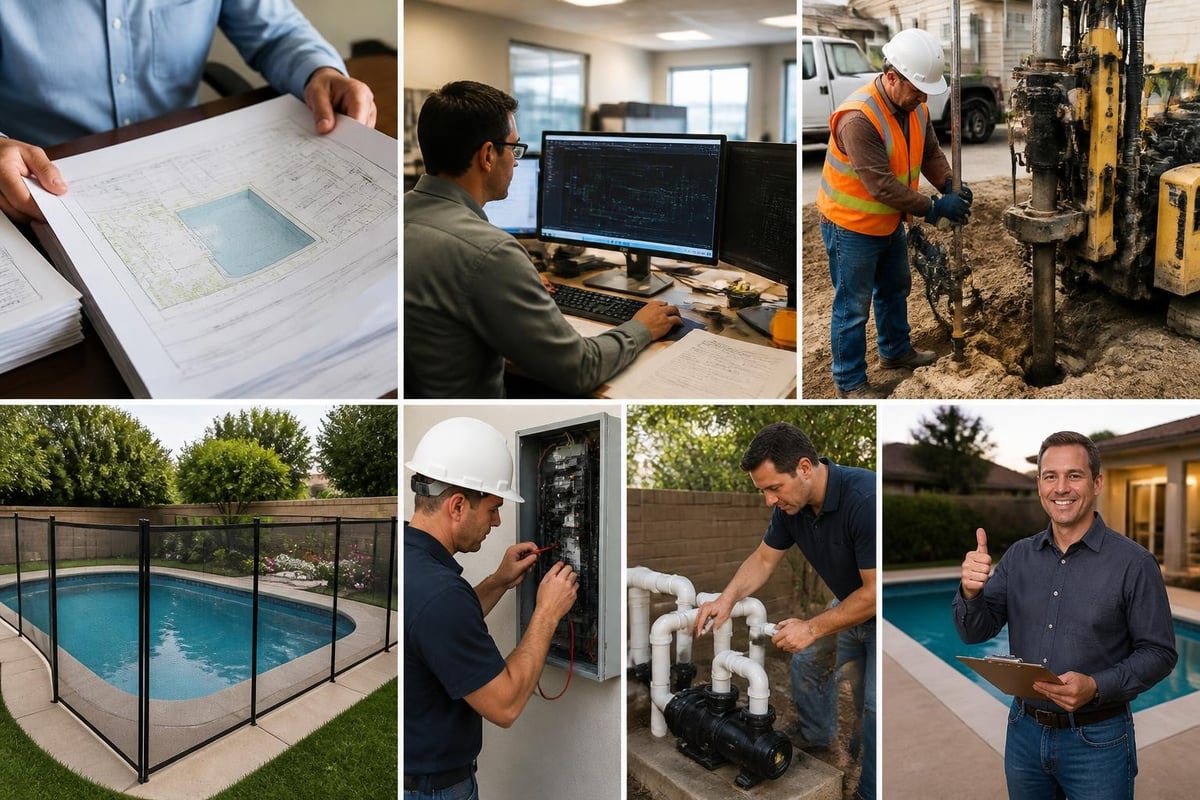
Evaluating Swimming Pool Contractors in Los Angeles
The difference between a pool that becomes your family's favorite gathering spot and one that turns into a maintenance nightmare often comes down to contractor selection. Los Angeles homeowners face no shortage of options, but thorough vetting separates reputable builders from those cutting corners.
Essential Qualifications and Experience
Experience matters significantly in pool construction. A contractor with 15+ years serving Los Angeles understands local soil conditions (from expansive clay to sandy loam), seasonal weather patterns that affect construction schedules, and the relationships with inspectors that keep projects moving forward.
Evaluate contractors based on:
- Years actively building pools in Los Angeles County
- Portfolio of completed projects similar to your vision
- In-house capabilities versus subcontractor reliance
- Direct owner involvement in project management
- Specialty expertise (gunite, tile work, equipment integration)
Family-owned contractors often provide continuity and accountability that larger volume builders cannot match. When homeowners work directly with the owner rather than rotating project managers, communication improves and quality control tightens.
The Permit and Inspection Process
Residential pool construction in Los Angeles triggers multiple permit requirements and inspection milestones. According to the City of Los Angeles swimming pool design and construction guidelines, projects must comply with barrier requirements, setback distances, drainage provisions, and structural engineering standards.
| Permit Stage | Requirement | Timeline |
|---|---|---|
| Plan submittal | Engineered plans, site survey, soil report | 2-4 weeks preparation |
| Plan check | LADBS structural and code review | 4-8 weeks |
| Permit issuance | Approved stamped plans, fees paid | 1-2 weeks |
| Excavation | Layout, dig, steel inspection | 1-2 weeks |
| Plumbing rough | Underground lines, pressure test | 1 week |
| Electrical rough | Bonding, conduit, panel upgrade | 1 week |
| Shotcrete/Gunite | Shell construction, strength test | 2-3 weeks cure |
| Decking & finish | Tile, coping, deck, equipment | 3-4 weeks |
| Final inspection | Water fill, startup, compliance | 1 day |
Experienced swimming pool contractors in Los Angeles build permitting timelines into project schedules and maintain relationships with engineering firms that expedite soil reports and structural calculations. For homeowners in Studio City, Encino, or Sherman Oaks, hillside conditions may trigger additional engineering requirements and Los Angeles County watershed stormwater management compliance.
Pricing Transparency and Contract Structure
Reputable contractors provide detailed, itemized estimates that break down costs by phase: engineering and permits, excavation and steel, plumbing and electrical, shotcrete shell, tile and coping, decking, equipment, and finishes. Beware of suspiciously low bids that often signal inferior materials, unlicensed subcontractors, or change-order inflation later.
A comprehensive contract should specify:
- Complete scope of work with materials grades and brands
- Milestone payment schedule tied to inspections
- Timeline with weather and permit contingencies
- Warranty coverage (structure, equipment, finishes)
- Change-order procedures and approval process
- Jobsite protocols (hours, access, cleanup standards)
Leading contractors maintain clean, organized job sites with daily cleanup, equipment staging areas, and communication logs. This discipline reflects the attention to detail that carries through to pool construction quality.
Design Options and Construction Methods
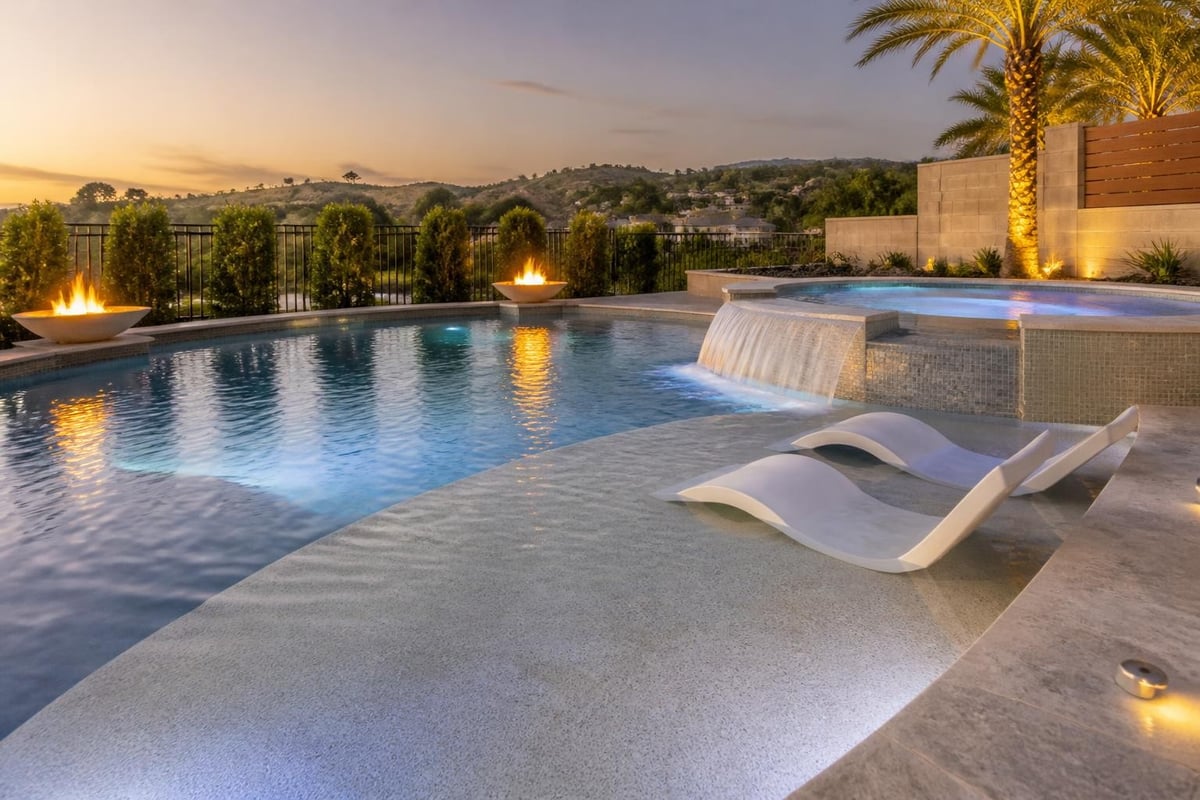
Los Angeles homeowners enjoy nearly unlimited design freedom, from classic kidney-shaped pools with attached spas to geometric modern designs with vanishing edges and integrated fire features. Understanding construction methods helps you evaluate contractor capabilities and make informed decisions about your project.
Gunite and Shotcrete Excellence
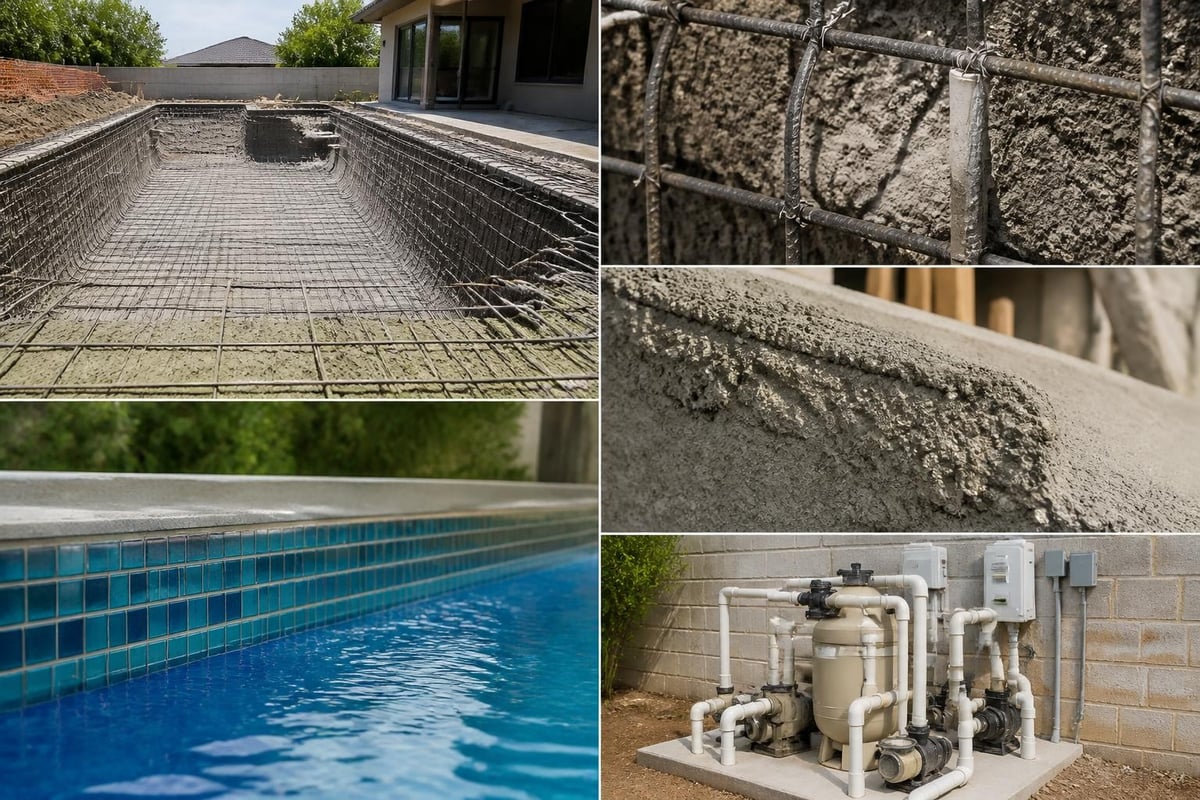
Gunite (dry-mix) and shotcrete (wet-mix) construction dominate the Los Angeles custom pool market because they allow complete design flexibility and proven structural longevity. The process involves steel rebar frameworks sprayed with pneumatically applied concrete under high pressure.
Gunite/shotcrete advantages:
- Unlimited shapes, sizes, and depth configurations
- Superior strength and crack resistance
- Integration with spas, tanning ledges, and beach entries
- Adaptability to challenging terrain and hillside lots
- Long-term durability (50+ year lifespan with proper maintenance)
Quality contractors maintain consistent shell thickness (typically 8-10 inches for pool walls), proper steel spacing per engineering specifications, and skilled nozzle operators who achieve optimal compaction. The Pool & Hot Tub Alliance standards provide industry benchmarks for materials, application techniques, and testing protocols that professional swimming pool contractors in Los Angeles follow.
Equipment Selection and Energy Compliance
Modern pool equipment has evolved dramatically, offering automation, energy efficiency, and smartphone control that previous generations never imagined. California's strict energy codes mandate specific equipment performance levels, particularly for pumps and heaters.
Variable-speed pumps now represent the standard, replacing older single-speed models and delivering 70-90% energy savings. When combined with automation systems that schedule filtration during off-peak hours, homeowners can significantly reduce operating costs while maintaining pristine water quality. The California Energy Commission’s flexible-demand pool controls analysis explores emerging grid-interactive standards that may shape equipment selection in coming years.
Heating options require careful evaluation based on pool size, usage patterns, and budget:
| Heater Type | Initial Cost | Operating Cost | Best Use Case |
|---|---|---|---|
| Gas (natural/propane) | $2,500-$4,500 | High | Quick heating, occasional use |
| Heat pump | $4,000-$7,000 | Low-moderate | Extended season, frequent use |
| Solar | $3,500-$8,000 | Minimal | Eco-conscious, sunny exposure |
| Hybrid systems | $6,000-$12,000 | Optimized | Year-round, maximum efficiency |
Independent evaluations help homeowners compare lifecycle costs and performance characteristics beyond contractor recommendations. Qualified swimming pool contractors in Los Angeles present options with transparent cost projections rather than pushing single solutions.
Regional Considerations Across Los Angeles
Los Angeles County's geographic diversity creates distinct construction considerations depending on your specific location. Contractors with deep local experience understand these nuances and plan accordingly.
Coastal Communities
Properties in Pacific Palisades, Long Beach, and other coastal areas face salt air corrosion concerns that influence material selection. Stainless steel equipment, corrosion-resistant finishes, and enhanced sealing protect against accelerated deterioration.
Coastal development often triggers California Coastal Commission review for properties within the coastal zone, adding regulatory complexity beyond standard building permits. Experienced contractors navigate these requirements without project delays.
Hillside and Valley Properties
Communities like La Cañada Flintridge, Calabasas, and Brentwood feature dramatic hillside lots that create stunning infinity edge opportunities but demand sophisticated engineering.
Hillside construction considerations:
- Soils reports and geotechnical engineering
- Retaining wall integration and terracing
- Drainage management and erosion control
- Access limitations for equipment and materials
- View preservation and neighbor considerations
The Los Angeles County stormwater best management practices guide construction-phase sediment control, particularly important during hillside excavation. Professional contractors implement erosion barriers, sediment basins, and runoff controls that protect watersheds and avoid code violations.
Urban and Suburban Neighborhoods
Denser urban areas like Pasadena and Torrance/Palos Verdes present access challenges, neighbor proximity concerns, and HOA requirements that influence construction logistics. Respectful contractors communicate with neighbors, adhere to noise ordinances, and maintain staging areas that minimize disruption.
Smaller lot sizes demand creative design approaches-vertical features like raised spas, compact lap pools, and multi-functional spaces that serve as both recreation and visual focal points. Custom in-ground pool construction for urban properties requires spatial problem-solving that mass-production builders rarely master.
The Construction Timeline and Process
Understanding the typical construction sequence helps homeowners set realistic expectations and recognize whether their contractor maintains appropriate progress. While weather, inspections, and unforeseen conditions introduce variability, experienced swimming pool contractors in Los Angeles provide milestone-based schedules with contingency buffers.
Phase-by-Phase Breakdown
Weeks 1-2: Engineering and Permits
Finalize design, complete engineering calculations, submit permit applications, and conduct pre-construction meetings. Contractors order long-lead equipment and schedule excavation crews.
Weeks 3-4: Excavation and Steel
Layout the pool footprint with precise measurements, excavate to engineered depths, install plumbing rough-ins, construct rebar framework, and schedule steel inspection.
Weeks 5-6: Shotcrete Shell
Apply gunite or shotcrete to form the pool shell, cure for 7-14 days depending on weather and mix specifications, and waterproof as needed.
Weeks 7-9: Tile, Coping, and Plumbing
Install waterline tile and coping, complete plumbing connections, set equipment pad, run electrical conduit, and schedule rough inspections.
Weeks 10-12: Decking and Hardscape
Pour concrete decking or install pavers, complete electrical bonding, set lighting and accessories, install equipment, and apply interior finish (plaster, pebble, or tile).
Week 13: Startup and Final
Fill pool, balance water chemistry, program automation, conduct owner training, and schedule final inspection. Experienced contractors remain available during the first weeks of operation to fine-tune equipment and address any questions.
Weather significantly impacts timelines-winter rain delays concrete curing and finish application, while summer heat accelerates certain phases but challenges worker scheduling during peak season demand.
Integrating Pool Decks and Outdoor Living
A pool is just one component of a comprehensive outdoor environment. The most successful projects integrate decking, landscaping, shade structures, and entertainment areas into cohesive designs that enhance daily living and property value.
Material Selection for Decking
Los Angeles' climate allows diverse decking materials, each with distinct characteristics:
- Poured concrete: Affordable, customizable with stamping or staining, reflective heat in summer
- Pavers: Premium aesthetic, cool underfoot, excellent drainage, easy individual replacement
- Natural stone: Travertine, flagstone, or slate for luxury feel, requires sealing
- Composite decking: Elevated pool decks, splinter-free, limited heat absorption
Slip resistance is paramount around pools. Textured finishes, proper drainage slopes (minimum 1/4 inch per foot away from pool), and material selection that remains cool underfoot all contribute to safety and comfort.
Comprehensive Backyard Planning
Smart homeowners think beyond the pool shell to create integrated outdoor spaces. Fire pits, outdoor kitchens, pergolas, and landscaping transform pools from isolated features into true outdoor rooms.
Coordinating these elements during initial construction avoids costly retrofits-trenching for gas lines, electrical conduit for future lighting, irrigation rough-ins, and structural footings for shade structures. For comprehensive backyard transformations, working with contractors who handle multiple disciplines streamlines scheduling and ensures design cohesion.
Maintenance Considerations and Long-Term Value
The construction phase represents only the beginning of your pool ownership journey. Design choices and equipment selection directly impact ongoing maintenance requirements, operating costs, and long-term satisfaction.
Automation and Smart Controls
Modern automation systems manage filtration schedules, heating, lighting, and water features from smartphone apps. Beyond convenience, automation optimizes energy consumption by running pumps during off-peak electricity rates and adjusting heating based on usage forecasts.
Quality systems integrate:
- Variable-speed pump scheduling
- Automated chemical dispensers (salt chlorinators or mineral systems)
- Temperature management and setback programming
- Lighting scenes and color control
- Valve actuators for spa/pool mode switching
Initial investment in robust automation ($2,000-$5,000) pays dividends through reduced operating costs and simplified maintenance routines.
Finish Durability and Aesthetics
Interior finish selection balances aesthetics, durability, and maintenance. Traditional white plaster remains the most affordable option ($4-$6 per square foot) but typically requires resurfacing every 7-10 years. Upgraded finishes extend longevity and enhance appearance:
- Quartz plaster: Color consistency, 10-15 year lifespan, smooth feel ($6-$9/sq ft)
- Pebble finishes: Natural appearance, 15-20 years, varied textures ($9-$12/sq ft)
- Glass tile: Premium aesthetic, longest lifespan, highest cost ($15-$30/sq ft)
Experienced swimming pool contractors in Los Angeles help homeowners understand these trade-offs rather than defaulting to single solutions. The best choice depends on your budget, aesthetic preferences, and planned ownership duration.
Energy and Water Efficiency
Operating costs surprise many new pool owners. Strategic choices during construction minimize ongoing expenses:
- Proper sizing: Oversized equipment wastes energy; right-sized pumps and heaters optimize efficiency
- Insulation: Spa and heated pool insulation reduces heat loss
- Covers: Automated covers prevent evaporation (30,000 gallons annually in LA climate)
- LED lighting: 75% energy reduction versus incandescent, longer lifespan
- Smart landscaping: Windbreaks reduce evaporation and heating requirements
California's water conservation mandates make efficiency increasingly important. Pools with covers, efficient filtration, and leak-free construction align with both environmental responsibility and cost management.
Red Flags and Common Pitfalls
Awareness of industry warning signs helps homeowners avoid problematic contractors and costly mistakes. Los Angeles' competitive market includes both exceptional craftsmen and operators who cut corners or operate without proper licensing. Our guide on how to choose the best pool builder near me in Los Angeles walks through checking licenses, permits, contracts, pricing, and past work.
Warning Signs to Avoid
Unlicensed contractors represent the most dangerous pitfall. Operating without CSLB licensing means no bond protection, no insurance verification, no recourse through state channels, and no guarantee of code-compliant work. Always verify license status at cslb.ca.gov before signing contracts.
Suspiciously low bids often indicate:
- Unlicensed subcontractors and cash payments
- Substandard materials or thinner shell construction
- Omitted scope that appears later as "unexpected" changes
- Inadequate insurance coverage
- Plan to abandon project if problems arise
Pressure tactics and demands for large upfront deposits signal contractors with cash flow problems or questionable business practices. Legitimate builders accept reasonable deposits (typically 10% or per permit requirements) with milestone-based payment schedules.
Poor communication during the estimating and contracting phase foreshadows worse problems during construction. Contractors who don't return calls, provide vague answers, or resist putting agreements in writing create frustration and disputes.
Contract and Warranty Protections
Comprehensive contracts protect both parties. Essential elements include detailed material specifications (equipment brands and models, plaster type, tile manufacturer), change-order procedures with written approval requirements, lien release provisions at payment milestones, and explicit warranty terms.
Standard warranties typically cover:
- Structural integrity: 10+ years
- Equipment: Manufacturer warranties (1-3 years typical)
- Plaster/finishes: 1-2 years workmanship
- Tile and coping: 1 year installation
Extended warranties or service agreements may be available for additional cost. Review warranty exclusions carefully-many don't cover chemical damage, improper water balance, or lack of routine maintenance.
Working With Your Contractor
Successful pool projects reflect strong homeowner-contractor collaboration. While you've hired professionals for their expertise, your input, decisions, and cooperation affect timeline, quality, and satisfaction.
Communication and Decision-Making
Establish clear communication channels from project start. Weekly site meetings, photo updates, and prompt responses to questions keep projects on track. Decision deadlines for material selections, change requests, and design refinements should be explicit-delayed decisions delay completion.
Respect contractor expertise while advocating for your preferences. Experienced swimming pool contractors in Los Angeles have built hundreds of pools and understand what works structurally, aesthetically, and functionally. When their recommendations differ from your vision, ask questions to understand the reasoning rather than dismissing professional input.
Jobsite Access and Logistics
Construction requires access for equipment (excavators, concrete trucks, cranes for equipment), material deliveries, and crew parking. Homeowners facilitate progress by maintaining clear access, securing pets during work hours, and communicating schedule changes promptly.
Site cleanliness reflects contractor professionalism. Daily cleanup, organized material staging, and debris removal demonstrate the attention to detail that characterizes quality builders. The best contractors treat your property with the same respect they'd expect for their own homes.
Inspections and Quality Checkpoints
Participate in key inspections-steel framework, plumbing pressure tests, electrical bonding, and equipment startup. These milestones offer opportunities to ask questions, understand system operation, and verify work quality before subsequent phases cover components.
Document the process with photos at each stage. Beyond creating memories of your pool's transformation, photographic records prove valuable for future reference if questions arise about plumbing locations, electrical routing, or structural details.
Finding the right swimming pool contractors in Los Angeles requires research, verification, and careful evaluation, but the investment in due diligence pays lasting dividends in quality, value, and enjoyment. When you're ready to transform your outdoor space with a custom pool that reflects your vision and stands the test of time, AM BUILDS CA brings 15+ years of licensed expertise, direct owner involvement, and unwavering commitment to quality construction. As a family-owned contractor serving Los Angeles and surrounding communities, we handle every aspect from initial design through final startup, delivering transparent pricing and exceptional craftsmanship. Contact us at (424) 485-4548 for your free, no-obligation estimate.


