


Transforming an aging or outdated swimming pool into a modern backyard retreat requires specialized expertise, careful planning, and the right team of professionals. Pool remodelers bring new life to existing pools through resurfacing, equipment upgrades, tile replacement, deck renovations, and complete design overhauls. Whether your pool suffers from structural issues, outdated aesthetics, or inefficient equipment, understanding what pool remodelers do and how to select the right contractor ensures your investment delivers lasting value and enjoyment for years to come.
Understanding What Pool Remodelers Do
Pool remodelers specialize in renovating and upgrading existing swimming pools rather than building new ones from scratch. Their work ranges from minor cosmetic updates to comprehensive structural renovations that completely transform the pool's appearance and functionality.
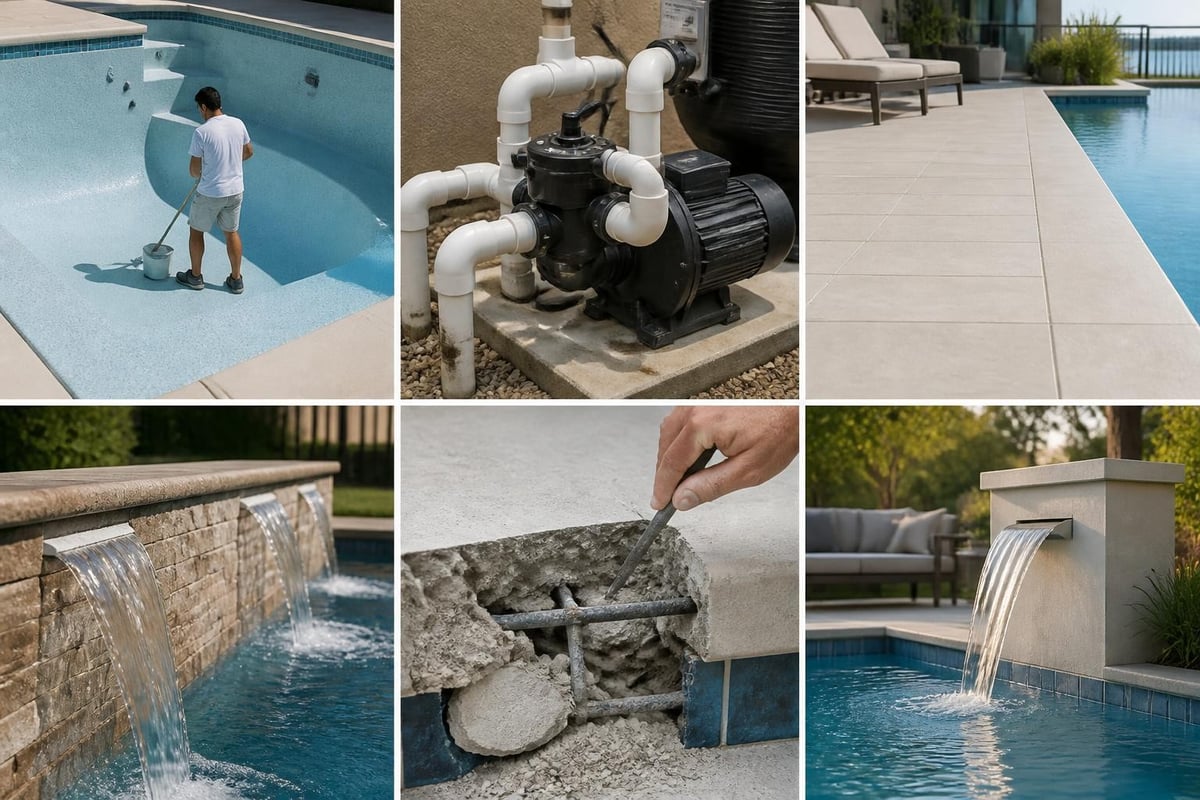
The scope of remodeling services typically includes surface refinishing with plaster, pebble, or tile; equipment replacement such as pumps, filters, and heaters; deck resurfacing or replacement; tile and coping updates; lighting upgrades to energy-efficient LEDs; and plumbing or structural repairs. Many pool remodelers also handle additions like spas, water features, tanning ledges, and fire bowls that enhance the overall backyard experience.
Structural vs. Cosmetic Renovations
Understanding the difference between structural and cosmetic work helps homeowners set realistic expectations and budgets. Structural renovations address the pool's integrity, including gunite or shotcrete repairs, plumbing reroutes, leak detection and repair, beam or bond beam reconstruction, and foundation stabilization. These projects require engineering expertise and compliance with current building codes.
Cosmetic renovations focus on appearance and user experience. This includes new interior finishes, tile and coping replacement, deck resurfacing, lighting updates, and aesthetic features like waterfalls or bubblers. While less complex than structural work, cosmetic updates dramatically improve the pool's visual appeal and can increase property value significantly.
Common Reasons Homeowners Hire Pool Remodelers
Pools deteriorate over time due to chemical exposure, weather conditions, and normal wear. The interior surface cracks, stains, or becomes rough; equipment fails or operates inefficiently; tiles crack or fall off; decking develops trip hazards; and outdated aesthetics no longer match the home's style.
Top motivations for pool remodeling include:
- Surface deterioration: Rough plaster that scratches feet or stained finishes that won't clean
- Equipment failure: Old single-speed pumps, inefficient heaters, or outdated filtration systems
- Safety concerns: Broken tiles, unstable coping, or non-compliant barriers and drainage
- Energy costs: Older equipment that drives up monthly utility bills
- Aesthetic updates: Modernizing 1990s-era blue tile and white plaster to contemporary finishes
- Functionality additions: Adding spas, sun shelves, or bench seating that didn't exist originally
The Pool & Hot Tub Alliance’s Q1 2026 research shows that remodeling projects have increased substantially as homeowners prioritize outdoor living spaces. Many pool owners choose renovation over filling in their pools, recognizing that strategic updates deliver better returns than pool removal.
Selecting Qualified Pool Remodelers
Finding the right contractor determines whether your remodel succeeds or becomes a costly nightmare. Not all pool builders excel at remodeling work, and not all remodelers possess the engineering and troubleshooting skills required for complex renovations.
Licensing and Insurance Requirements
Licensed contractors carry proper credentials, insurance, and bonding that protect homeowners from liability and financial loss. In California, pool remodelers must hold a valid C-53 Swimming Pool Contractor license or appropriate general contractor license. Verify licenses through the Contractors State License Board (CSLB) and confirm they're current and in good standing.
Insurance requirements include general liability coverage (minimum $1 million), workers' compensation for all employees, and automobile insurance for company vehicles. Request certificates of insurance directly from the contractor's insurer, not photocopies that might be outdated or altered.
| Credential | What to Verify | Why It Matters |
|---|---|---|
| Contractor License | Active status, no disciplinary actions | Legal requirement; protects homeowner rights |
| Liability Insurance | Current policy, adequate coverage limits | Covers property damage during work |
| Workers' Comp | Active policy covering all employees | Prevents homeowner liability for injuries |
| Bonding | Surety bond per state requirements | Financial recourse if contractor abandons job |
Evaluating Experience and Specialization
Years in business indicate stability, but specialization matters more than longevity alone. Some contractors primarily build new pools and take occasional remodel jobs; others focus exclusively on renovations and bring deeper expertise to older pool challenges.
Ask prospective pool remodelers about their experience with your specific pool type. Gunite pools, vinyl-lined pools, and fiberglass pools each require different remodeling approaches. A contractor experienced in building a concrete swimming pool from scratch may lack the specialized knowledge to repair a failing gunite shell properly.
Request examples of completed projects similar to yours in scope, age, and condition. Before-and-after photos reveal the quality of their work and their ability to solve complex problems creatively.
The Pool Remodeling Process
Professional pool remodelers follow a structured approach that ensures quality results and minimizes surprises. Understanding each phase helps homeowners prepare appropriately and recognize when contractors cut corners.
Initial Assessment and Design
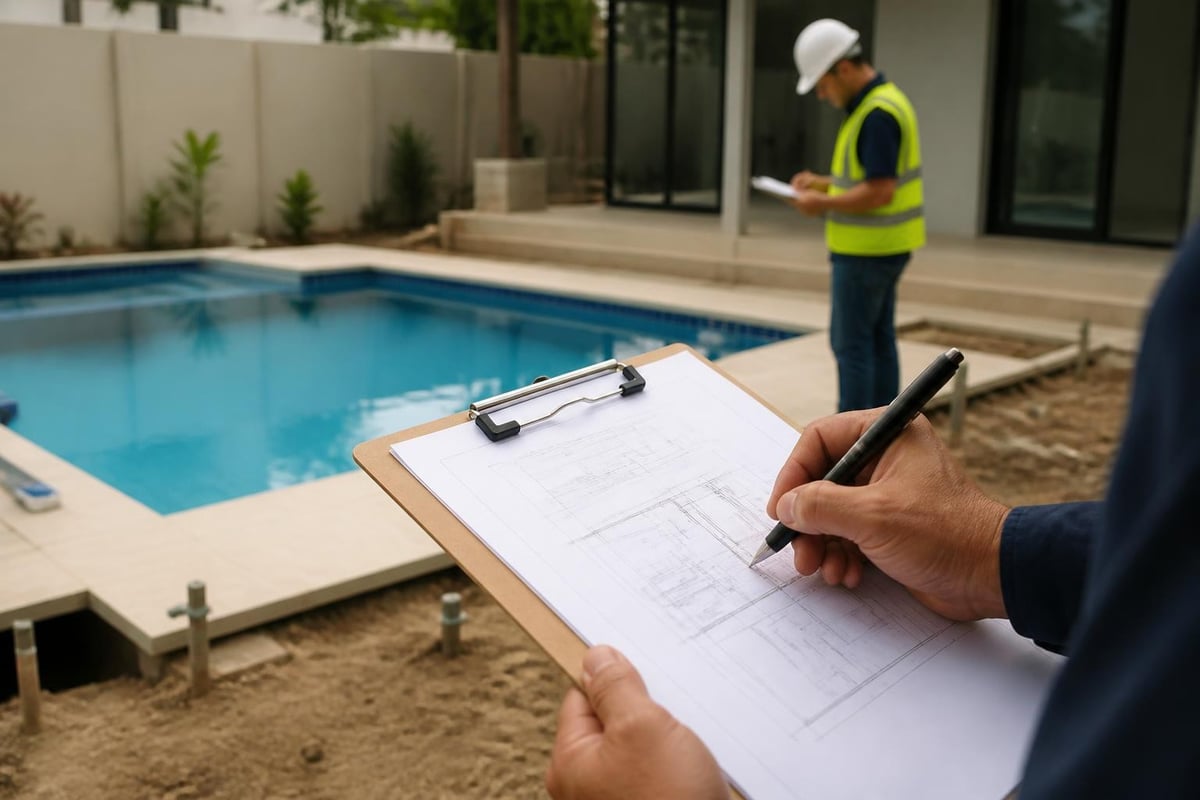
The process begins with a comprehensive site evaluation where the contractor inspects the pool's structure, equipment, decking, and surrounding landscape. They identify problems like cracks, leaks, equipment failures, code violations, and drainage issues that might not be visible to untrained eyes.
During design consultations, discuss your goals, budget, and timeline. Quality pool remodelers help you prioritize improvements that deliver the most value and explain trade-offs between different materials, finishes, and features. They should provide detailed drawings or renderings for significant design changes.
- Schedule initial consultation with multiple contractors for comparison
- Conduct thorough pool inspection to identify all issues, not just obvious ones
- Define project scope including must-haves, nice-to-haves, and budget limits
- Review material options for surfaces, tiles, coping, and equipment
- Receive detailed written proposal itemizing all work, materials, and costs
- Verify permit requirements and confirm contractor will handle applications
Permits and Code Compliance
Pool remodeling often requires permits, especially when work involves structural changes, electrical upgrades, plumbing modifications, or equipment replacement. The International Code Council’s swimming pool requirements detail entry/exit, barrier, and structural standards that apply even to renovations.
Experienced pool remodelers handle permit applications, inspections, and code compliance documentation as part of their service. If a contractor suggests skipping permits to save money, that's a major red flag. Unpermitted work can complicate insurance claims, property sales, and leave you liable for code violations.
Popular Pool Remodeling Upgrades
Modern pool technology and design have evolved dramatically over the past two decades. Pool remodelers help homeowners incorporate the latest innovations while respecting their property's character and budget constraints.
Surface Refinishing Options
The pool's interior surface experiences constant chemical and physical stress, requiring replacement every 10-15 years for plaster or 15-20 years for aggregate finishes. Today's options go far beyond basic white plaster.
Modern surface materials include:
- Standard plaster: Affordable, smooth finish in white or light colors (10-12 year lifespan)
- Quartz aggregate: Colored quartz crystals in plaster for durability and varied hues (12-15 years)
- Pebble finishes: Natural stones create textured, long-lasting surfaces in multiple colors (15-20 years)
- Glass bead finishes: Recycled glass for brilliant color and smooth feel (15-20 years)
- Polished aggregate: Exposed and polished stones for premium appearance (20+ years)
Each material offers different aesthetics, durability, and maintenance requirements. Pool remodelers should explain these trade-offs and show physical samples, not just photos, because colors and textures vary significantly under water and different lighting conditions.
Energy-Efficient Equipment Upgrades
Replacing outdated pool equipment reduces operating costs substantially while improving performance and reliability. The Department of Energy’s efficiency standards for pool pumps have driven significant improvements in variable-speed technology that can cut energy consumption by 50-75% compared to older single-speed models.
Modern equipment upgrades include variable-speed pumps with programmable controls, energy-efficient heaters (heat pump or solar options), saltwater chlorine generators that eliminate manual chlorine addition, LED lighting that uses 80% less energy than incandescent, and automated control systems for remote monitoring and operation.
When working with pool deck contractors on comprehensive renovations, coordinate equipment placement with deck layouts to ensure access panels don't create visual or functional problems.
Design Considerations for Pool Remodeling
Successful remodels balance aesthetics, functionality, budget, and long-term maintenance. Pool remodelers with strong design skills help homeowners make choices they'll appreciate for decades, not just during the initial excitement of a new-looking pool.
Matching Your Home's Architecture
The pool should complement your home's style rather than compete with it. Modern homes pair well with clean lines, infinity edges, geometric shapes, and minimal ornamental features. Traditional or Mediterranean homes suit curved designs, natural stone, decorative tile accents, and classical water features.
Color selection extends beyond personal preference to practical considerations. Darker finishes absorb heat and show less staining but can make the pool feel smaller. Lighter colors reflect light, create larger visual perception, but show dirt and stains more readily. Your pool remodeler should help you understand these trade-offs in context of your specific location, sun exposure, and landscaping.
Adding Water Features and Lighting
Water features and lighting transform pools from simple exercise facilities to stunning focal points. Options range from simple deck jets and bubblers to elaborate grottos, waterfalls, and sheer descent walls.
| Feature Type | Visual Impact | Typical Cost Range | Maintenance Consideration |
|---|---|---|---|
| Deck Jets | Medium | $1,500-$3,000 | Low; simple nozzle cleaning |
| Sheer Descents | High | $2,500-$5,000 | Medium; water chemistry affects spillway |
| Rock Waterfalls | Very High | $8,000-$25,000+ | High; pump maintenance, algae control |
| LED Lighting | Medium-High | $1,200-$4,000 | Very Low; LED longevity |
| Fire Features | High | $3,000-$8,000 | Medium; gas line maintenance |
Lighting serves both safety and aesthetic purposes. The National Fire Protection Association’s electrical requirements under NEC Article 680 govern pool lighting installation to prevent electrical hazards. Modern LED systems offer color-changing options, smartphone control, and energy efficiency that older incandescent systems cannot match.
Deck and Coping Renovation
The area surrounding your pool receives as much use as the water itself. Worn, dated, or damaged decking detracts from the entire backyard experience and creates safety hazards through cracking, settling, or slippery surfaces.
Material Options for Pool Decks
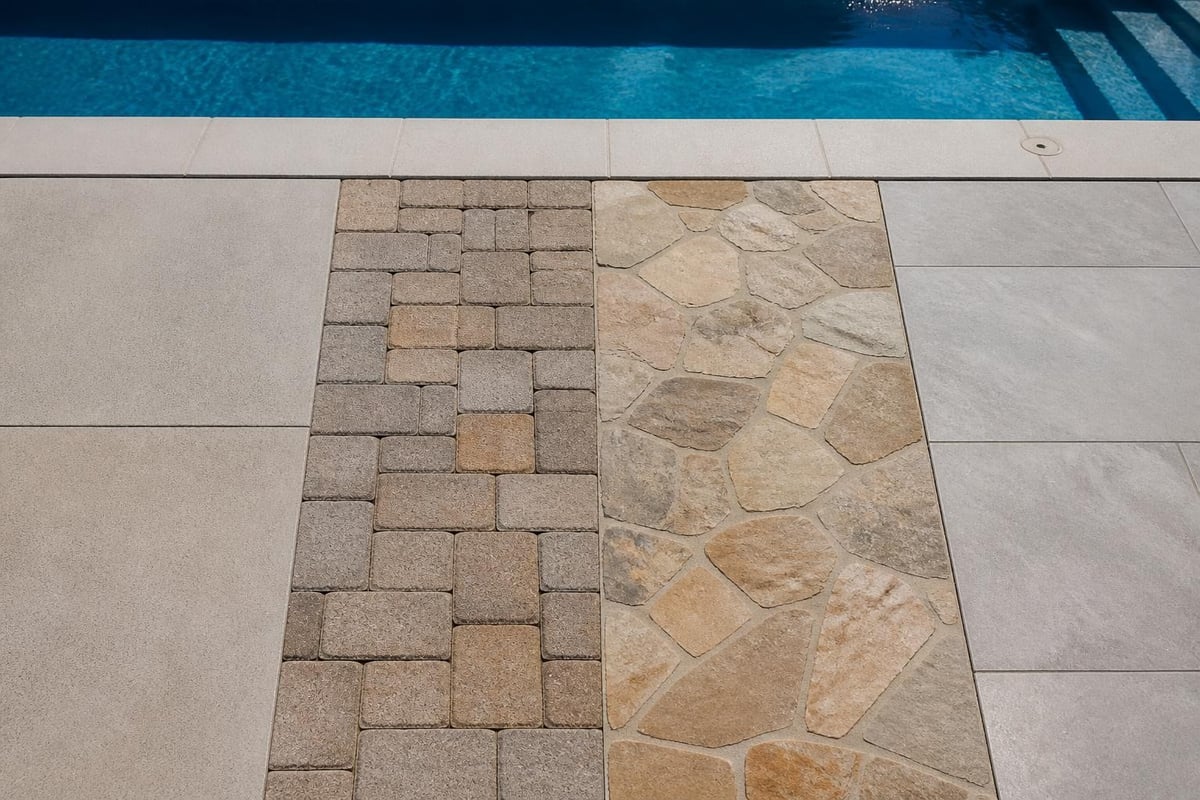
Pool remodelers work with various decking materials, each offering distinct advantages. Concrete remains the most versatile option, accepting stamped patterns, colored finishes, and textured surfaces that resist slipping. Pavers provide classic elegance with easy repair (individual pavers can be replaced without affecting surrounding areas) and come in countless colors, shapes, and patterns.
Natural stone delivers premium aesthetics but requires higher investment and more maintenance. Travertine, flagstone, and slate offer unique beauty but vary in slip resistance and heat absorption. Modern porcelain pavers combine the look of natural stone with enhanced durability and lower maintenance.
When planning deck renovations, many homeowners discover that hardscape and landscape services can extend the remodel beyond the immediate pool area to create cohesive outdoor living spaces with matching patios, walkways, and outdoor kitchen areas.
Coping Replacement and Upgrades
Coping forms the transition between the pool shell and deck, providing a finished edge and protecting the pool structure. Damaged or outdated coping affects both appearance and function, allowing water infiltration that can damage the pool structure over time.
Modern coping materials include natural stone (travertine, bluestone, granite), precast concrete in various profiles and colors, brick for traditional aesthetics, and cantilevered concrete that eliminates the joint between coping and deck. Pool remodelers ensure proper installation with appropriate drainage slopes, expansion joints, and waterproofing to prevent future problems.
Cost Factors in Pool Remodeling
Remodeling costs vary dramatically based on scope, materials, access, and local labor rates. Understanding what drives expenses helps homeowners make informed decisions and avoid budget overruns.
Project Scope and Complexity
Simple cosmetic updates like replastering and new tile typically range from $5,000 to $15,000 for average-sized pools. Mid-range remodels adding equipment upgrades, expanded tile work, and deck resurfacing generally cost $20,000 to $45,000. Comprehensive renovations with structural repairs, complete deck replacement, added features, and premium finishes can exceed $75,000 to $100,000 or more.
Complexity factors include pool accessibility (tight access requires smaller equipment and more labor), underlying condition (unknown structural issues discovered during demolition), code upgrades required to meet current standards, and landscape restoration needed after construction.
Cost factors homeowners should consider:
- Demolition and disposal: Removing old surfaces, equipment, and decking
- Repairs and modifications: Addressing structural issues found during work
- Premium materials: Upgraded finishes, imported tile, or custom features
- Site challenges: Limited access, steep slopes, or underground utilities
- Permit and engineering fees: Required for structural work and major upgrades
- Landscaping restoration: Replanting, irrigation repair, hardscape replacement
Understanding swimming pool planning principles helps homeowners recognize why certain costs are necessary rather than optional contractor markups.
Return on Investment Considerations
Pool remodeling rarely returns 100% of its cost in increased home value, but strategic updates deliver better returns than others. Energy-efficient equipment pays for itself through reduced operating costs over time. Safety upgrades like compliant barriers and anti-entrapment drain covers protect liability exposure. Aesthetic improvements enhance daily enjoyment and make the property more marketable.
The highest-value improvements typically include surface refinishing (essential for function, dramatic visual impact), deck replacement (safety and aesthetics), equipment upgrades (ongoing cost savings), and LED lighting (energy efficiency plus ambiance). Elaborate water features and custom tile mosaics add personal enjoyment but rarely recover their full cost at resale.
Working With Your Pool Remodeler
Successful projects require clear communication, realistic expectations, and active homeowner involvement at key decision points. The relationship between homeowner and contractor significantly affects project outcomes.
Contract and Payment Structures
Detailed written contracts protect both parties by clearly defining scope, materials, timeline, payment schedule, and change order procedures. Quality pool remodelers provide comprehensive contracts specifying exact materials by brand and model, detailed work descriptions for each phase, projected timeline with milestones, payment schedule tied to completion stages (not dates), warranty terms for materials and workmanship, and procedures for changes or additional work.
Never pay more than 10% upfront or permit payments to exceed work completed. Typical payment schedules might include 10% at signing, 25% at demolition completion, 25% at shell work completion, 25% at equipment and tile installation, and final 15% at project completion and inspection approval.
Managing Timeline Expectations
Pool remodeling timelines depend on scope, weather, permit processing, and material availability. Simple replastering might take 7-10 days from drain to refill. Comprehensive remodels with structural work, deck replacement, and feature additions typically require 6-12 weeks.
Weather affects outdoor work significantly. Rain delays concrete curing, prevents proper surface application, and makes excavation and grading difficult. Pool remodelers should communicate weather-related delays promptly and adjust schedules as needed.
Material lead times have extended for many specialty items. Custom tile, imported stone, and specific equipment models may require weeks or months to obtain. Confirm material availability before finalizing timelines and build buffer time into your schedule.
Maintenance After Pool Remodeling
Protecting your investment requires understanding how new materials and equipment need care. Pool remodelers should provide detailed maintenance instructions for all new installations.
Breaking In New Surfaces
Fresh plaster and aggregate surfaces require special startup procedures to properly cure and achieve maximum longevity. The initial fill, chemical balance, brushing schedule, and filter cleaning follow precise protocols that differ from routine maintenance.
Standard plaster startup typically involves filling the pool with water immediately after finishing, maintaining specific pH and alkalinity levels for the first 28 days, brushing the entire surface twice daily for the first two weeks, running the filter continuously, and avoiding automatic cleaners for 4-6 weeks. Pebble and aggregate finishes have modified procedures provided by manufacturers.
Equipment Operation and Care
New pool equipment operates differently than older systems. Variable-speed pumps require programming for optimal efficiency. Saltwater generators need periodic cell inspection and cleaning. Automated systems need wifi setup and app configuration.
Essential maintenance tasks include:
- Monitor chemical balance weekly: pH, alkalinity, calcium, and sanitizer levels
- Clean filter regularly: Backwash or clean cartridges per manufacturer schedules
- Inspect equipment monthly: Check for leaks, unusual noises, or error messages
- Service heater annually: Professional inspection and cleaning before heating season
- Winterize appropriately: Drain lines, protect equipment in freezing climates
The Model Aquatic Health Code resources provide guidance on water quality and operational standards that apply to residential pools, helping homeowners maintain safe, clean water year-round.
Finding Local Pool Remodelers
Geographic proximity matters because pool remodeling requires multiple site visits, permits must be pulled in local jurisdictions, and contractors must be familiar with regional building codes, soil conditions, and climate considerations.
Researching Los Angeles Contractors
Los Angeles's diverse neighborhoods, hillside properties, and varying soil conditions require contractors with local expertise. Research candidates through online reviews on Google, Yelp, and Houzz; professional associations like the Pool & Hot Tub Alliance; referrals from neighbors who have completed pool projects; and local building supply companies who work with reputable contractors.
Verify that contractors are properly licensed through the California Contractors State License Board and review any complaints or disciplinary actions. Check business longevity, office location, and whether they're available to meet in person rather than operating solely through subcontractors.
For homeowners considering cost to build inground pool versus remodeling an existing pool, local contractors can assess your specific situation and provide guidance on which approach delivers better long-term value.
Questions to Ask During Consultations
Interview at least three pool remodelers before making your decision. Prepare consistent questions so you can compare responses directly.
Key questions include: How long have you specialized in pool remodeling (versus new construction)? Can you provide references from projects completed in the last year? What warranties do you offer on workmanship and materials? How do you handle unexpected issues discovered during demolition? Will you personally oversee this project or delegate to a project manager? What's your typical timeline for a project of this scope? How do you communicate progress and handle change orders?
Pay attention to how contractors answer. Vague responses, reluctance to provide references, or pressure to sign immediately are warning signs. Professional pool remodelers welcome questions, provide detailed answers, and give you time to make informed decisions.
Pool remodeling transforms aging backyard pools into modern outdoor living spaces through careful planning, quality materials, and skilled execution. Whether you need surface refinishing, equipment upgrades, or comprehensive renovation, selecting experienced pool remodelers who understand your vision and local requirements ensures results that enhance your property's value and your family's enjoyment. AM Builds Inc. brings 15 years of pool construction and renovation expertise to Los Angeles homeowners, combining licensed professionalism with family-owned attention to detail that keeps projects on schedule and on budget. Ready to explore what's possible for your pool? Contact AM BUILDS CA at (424) 485-4548 for a free, no-obligation consultation and estimate.


