


Installing an in-ground pool transforms your Los Angeles backyard into a private resort, but the process involves far more than digging a hole and filling it with water. A successful pool inground installation requires careful planning, professional engineering, proper permitting, and expert execution across multiple construction phases. Whether you're considering a classic rectangular lap pool, a freeform design with a spa, or a custom shape tailored to your lot's unique constraints, understanding the full scope of work helps you make informed decisions, set realistic timelines, and budget appropriately. This comprehensive guide walks you through every critical aspect of pool inground installation, from initial site evaluation through final startup, so you can approach your project with confidence and clarity.
Site Evaluation and Preparation
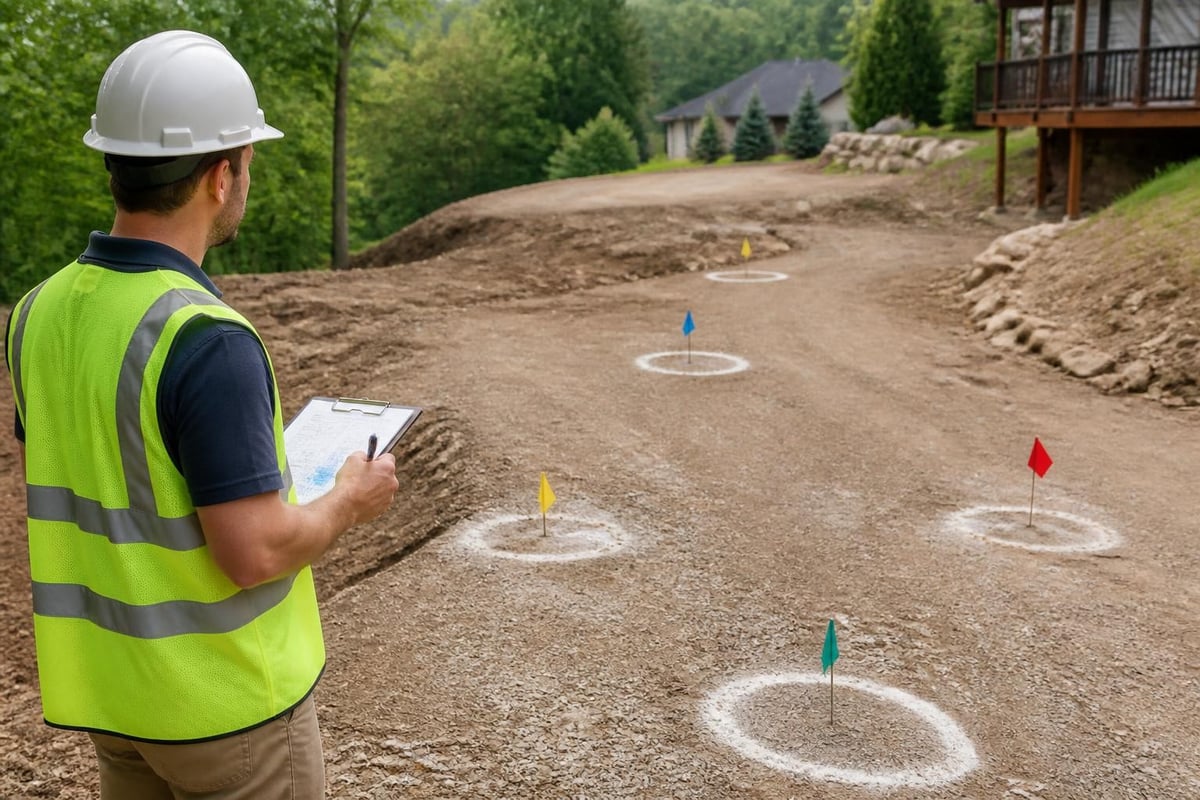
The foundation of any successful pool inground installation begins with a thorough site assessment. Los Angeles presents unique challenges including hillside lots, varying soil conditions, setback requirements, and earthquake considerations that directly impact design feasibility and construction costs.
Soil and Drainage Analysis
Before breaking ground, understanding what lies beneath your yard is essential. The USDA NRCS Web Soil Survey provides detailed soil mapping data for your specific address, revealing soil type, drainage characteristics, bearing capacity, and engineering limitations. Clay-heavy soils common in many LA neighborhoods expand and contract with moisture changes, requiring additional structural reinforcement. Sandy or decomposed granite soils may need soil stabilization or deeper footings.
Professional soil testing typically reveals:
- Bearing capacity for structural support
- Percolation rates affecting drainage design
- Groundwater levels that impact construction timing
- Rock layers requiring specialized excavation equipment
- Contamination concerns from previous land use
Proper drainage design prevents hydrostatic pressure from pushing your pool shell upward during wet seasons. Many pool inground installation projects in Los Angeles incorporate French drains, collection systems, or sump pumps to manage groundwater and surface runoff effectively.
Access and Staging Considerations
Evaluate how excavation equipment, concrete trucks, and material deliveries will reach your backyard. Properties with narrow side yards, steep slopes, or difficult street access may require crane lifts, smaller equipment, or hand-digging in certain areas, all of which affect timeline and budget. Establishing a clear staging area for materials, spoils removal, and equipment protects your existing landscaping and hardscape.
Permits, Engineering, and Code Compliance
Los Angeles County and city jurisdictions enforce strict building codes for pool inground installation to protect public safety and property values. Skipping or rushing the permitting process invites costly corrections, project delays, and potential legal liability.
Required Permits and Documentation
Most pool projects in Los Angeles require multiple permits including building, electrical, plumbing, and sometimes grading permits. The permit application package typically includes:
- Stamped engineering drawings and structural calculations
- Plot plan showing setbacks, easements, and property lines
- Equipment specifications and energy compliance documents
- Barrier (fence) plan meeting current drowning prevention codes
- Drainage and soil reports for certain lot conditions
Working with licensed general contractors experienced in Los Angeles pool permitting streamlines this process. AM Builds Inc. handles all permit coordination, engineering, and inspections as part of our in-ground pool construction service, ensuring your project meets every local requirement from the start.
Code Requirements and Standards
California's pool barrier requirements, Title 24 energy standards, and anti-entrapment regulations govern pool inground installation throughout the state. The Pool & Hot Tub Alliance standards provide additional technical guidance on design, construction, and safety features that many jurisdictions reference in their codes.
| Code Area | Key Requirements | Impact on Installation |
|---|---|---|
| Barrier/Fencing | 5-foot minimum height, self-closing/latching gates, no climbable surfaces within 3 feet | Perimeter planning, gate placement |
| Suction Outlets | Dual main drains, SVRS or approved alternative | Plumbing layout, equipment selection |
| Energy Efficiency | Variable-speed pumps, efficient heaters, insulated equipment | Equipment costs, operating savings |
| Bonding/Grounding | All metal components bonded, GFCI protection | Electrical design, safety compliance |
Design and Engineering Phase
Translating your vision into a buildable plan requires balancing aesthetics, functionality, budget, and site constraints. This phase establishes the blueprint for your entire pool inground installation project.
Shape, Size, and Features
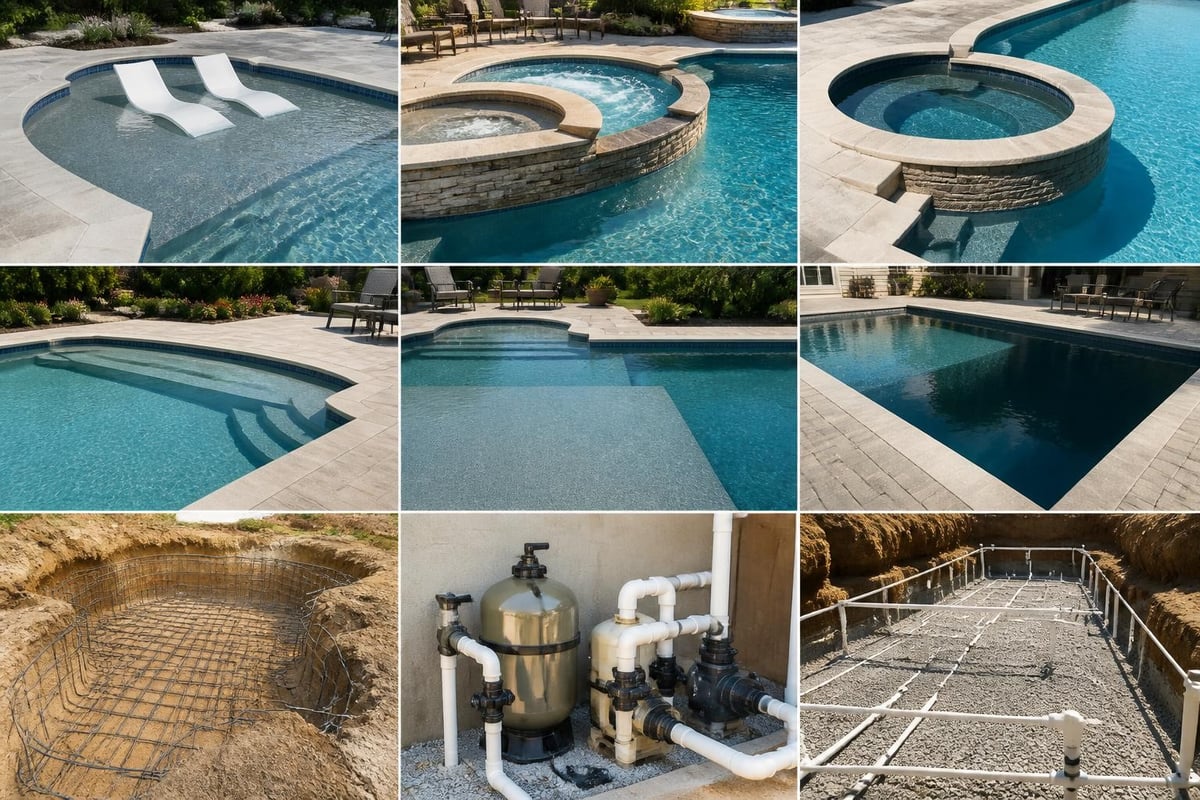
Pool design begins with intended use. Lap swimmers prioritize length and consistent depth, while families with young children often prefer shallow play areas, graduated depths, and attached spas. Popular design elements in 2026 include:
- Tanning ledges (baja shelves) for lounging in shallow water
- Beach entries with gradual zero-depth slopes
- Vanishing edges and infinity edges on hillside lots
- Attached spas with spillover features
- Swim-outs and benches for seating and socializing
- Fire and water features for ambiance
Space constraints on urban Los Angeles lots often require creative design solutions. Compact plunge pools, cocktail pools, and narrow lap pools maximize swimming area while meeting setback requirements. Some neighborhoods in areas like Studio City, Encino, and Sherman Oaks have additional design review requirements for pool visibility and architectural compatibility.
Depth, Volume, and Circulation
Proper hydraulic design ensures efficient filtration, balanced chemistry, and comfortable swimming. Pool depth affects volume (and heating costs), diving safety, and overall aesthetics. Most residential pools range from 3.5 to 6 feet deep, with dedicated diving areas requiring minimum 8-foot depths per safety standards.
Circulation system design determines equipment sizing, plumbing layout, and energy consumption. Modern pool inground installation prioritizes energy efficiency through variable-speed pumps that can reduce circulation costs by 70% compared to single-speed models. The Department of Energy’s pool pump standards establish minimum efficiency requirements for new installations.
Material Selection
Gunite (shotcrete) dominates the Los Angeles pool market for good reason. This pneumatically applied concrete offers unmatched design flexibility, structural strength, and longevity when properly installed. The American Concrete Institute’s shotcrete guidance provides technical standards for mix design, placement, and curing that ensure durable pool shells.
Interior finish options include:
- Plaster (white, colored, or quartz-blended)
- Pebble finishes (exposed aggregate in various sizes)
- Tile (glass, porcelain, or natural stone)
- Polished aggregate for smooth, reflective surfaces
Each finish offers different aesthetics, texture, durability, and maintenance requirements. Most Los Angeles pools use pebble or plaster finishes that balance cost, appearance, and longevity.
Excavation and Steel Installation
Once permits are approved and the design is finalized, physical construction begins. The excavation and steel phases establish the pool's footprint, shape, and structural skeleton.
Excavation Process
Professional excavation crews mark the pool outline, utility locations, and grade references before heavy equipment arrives. Backhoes and excavators remove soil to designed depths plus additional space for plumbing, steel, and concrete thickness. Spoils removal generates 200-400+ cubic yards of dirt for average residential pools that must be hauled offsite or redistributed around your property.
Excavation challenges specific to Los Angeles include:
- Rock layers requiring jackhammering or blasting permits
- Groundwater necessitating dewatering systems
- Existing utilities demanding hand-digging and careful coordination
- Slope stability on hillside lots requiring temporary shoring
Clean, accurate excavation prevents costly corrections during later phases and ensures proper finished dimensions.
Plumbing Rough-In
Before steel installation, plumbing lines are positioned and tested. Main drains, skimmers, return lines, spa jets, water features, and automatic fill lines are all placed according to engineering drawings. PVC Schedule 40 pipe dominates residential pool plumbing, with proper gluing, grading, and support preventing future leaks.
Pressure testing all plumbing before concrete placement catches installation errors early. Most contractors maintain 30-40 PSI air pressure for 24 hours to verify system integrity.
Steel Reinforcement
Rebar creates the structural framework that gives gunite pools their legendary strength. Typical pool shells use #3 or #4 rebar on 12-inch centers both horizontally and vertically, tied together to form a continuous cage. Engineers specify additional reinforcement in high-stress areas including stairs, benches, spa walls, and raised bond beams.
Proper steel placement maintains:
- Adequate coverage (2-3 inches of concrete over all steel)
- Continuous rebar cage with no gaps
- Appropriate tie wire spacing and technique
- Chair supports maintaining correct elevation
Inspection and approval of steel work by building officials is required before proceeding to shotcrete application in virtually all Los Angeles jurisdictions.
Shotcrete Application and Curing
The shotcrete (gunite) phase transforms steel and plumbing into a solid, watertight pool shell. This specialized concrete placement requires experienced nozzlemen and proper curing for long-term performance.
Shotcrete Process
Shotcrete crews pneumatically spray concrete mix onto the rebar framework in multiple passes, building thickness to engineered specifications (typically 8-10 inches for walls and floors). The high-velocity application densely compacts the concrete, creating superior strength compared to poured concrete.
Quality shotcrete installation involves:
- Proper mix design meeting compressive strength requirements (4,000-5,000 PSI minimum)
- Experienced nozzle operators maintaining correct angle and distance
- Adequate thickness verified by measurement probes
- Smooth, consistent application without voids or weak spots
- Immediate finishing by trowel crews following the nozzle
Weather conditions significantly impact shotcrete quality. Ideal application occurs in moderate temperatures (50-85°F) with controlled moisture. Hot, dry, or windy conditions require extra precautions including misting, windbreaks, and curing compound application.
Curing and Waterproofing
Proper curing develops concrete strength and prevents cracking. Most pool inground installation projects maintain moist curing for at least seven days through continuous water spray, wet burlap, or curing compound application. Rushing this phase compromises structural integrity and finish adhesion.
Some installations include waterproofing additives in the shotcrete mix or applied surface treatments for additional leak protection, though properly placed and cured shotcrete is inherently watertight.
Equipment Installation and Decking
While the shell cures, equipment installation and deck construction proceed. These elements complete the pool system and define the surrounding environment.
Circulation Equipment
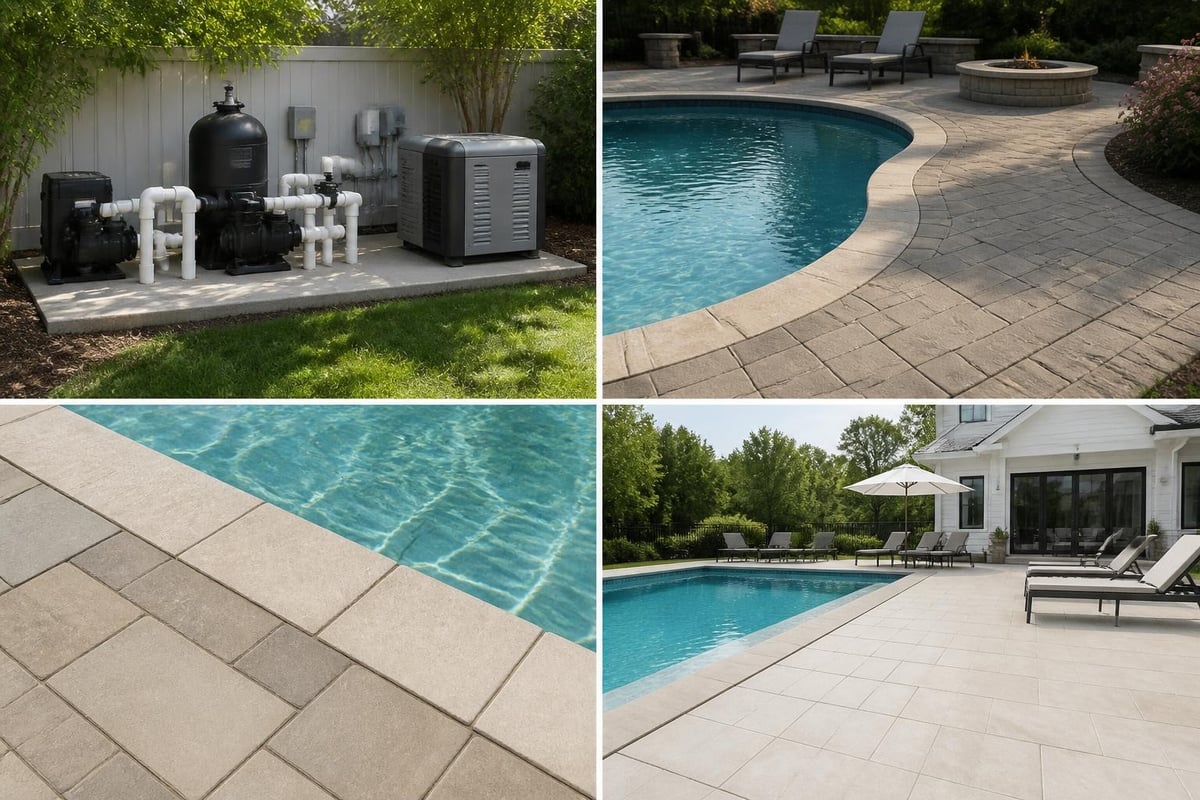
Modern pool equipment pads include variable-speed pumps, cartridge or sand filters, heaters (gas or electric heat pump), automation controls, and sanitization systems (salt chlorine generators, UV, or ozone). Equipment placement considers noise levels, access for maintenance, aesthetic screening, and plumbing efficiency.
Energy-efficient equipment selection reduces operating costs dramatically. Variable-speed pumps alone cut electricity consumption by 1,500-2,000 kWh annually for typical residential pools. Automation systems optimize run times, heating schedules, and chemical dosing for maximum efficiency with minimal effort.
Pool Decking and Coping
The deck surrounds your pool and sets the visual tone for your entire backyard. Hardscape and landscape integration creates a cohesive outdoor environment. Coping (the pool edge cap) provides the transition between water and deck while protecting the shell edge.
Popular decking materials for Los Angeles pools include:
| Material | Advantages | Considerations |
|---|---|---|
| Paver Stones | Slip-resistant, repairable, color variety, classic look | Requires base prep, sealing recommended |
| Poured Concrete | Cost-effective, customizable with stamps/colors | Can crack over time, hot in summer |
| Natural Stone | Premium appearance, cool underfoot, durable | Higher cost, variable surface texture |
| Travertine | Elegant, naturally cool, moisture-resistant | Premium price, periodic sealing needed |
Proper deck design includes adequate drainage away from the pool, slip-resistant surfaces, and sufficient space for furniture, entertaining, and circulation around the water.
Interior Finish and Tile Work
The interior finish provides the waterproof surface you see and touch while swimming. This phase brings your pool to life visually and protects the structural shell.
Plaster and Pebble Finishes
Traditional white plaster remains popular for its smooth feel and bright appearance. Modern formulations include quartz or pozzolan additives that improve durability and stain resistance. Color plaster options range from soft blues and grays to vibrant Caribbean tones.
Pebble finishes use small stones (typically 1/8 to 3/8 inch) bound in cement, creating textured, natural-looking surfaces in diverse color blends. Premium pebble products like PebbleTec, PebbleSheen, and StoneScapes offer 15-20+ year lifespans with proper maintenance compared to 7-10 years for standard plaster.
Application requires skilled plasterers who work quickly to achieve uniform thickness and color. The entire finish must be completed in one continuous application to prevent visible seams or color variations.
Waterline Tile
Six-inch waterline tile serves both aesthetic and functional purposes. The tile creates a visual accent while providing an easy-to-clean surface at the water level where body oils, sunscreen, and minerals concentrate. Glass tile, porcelain, and natural stone options complement every pool design style from classic to contemporary.
Proper tile setting uses thinset mortar designed for underwater applications and flexible grout that accommodates minor shell movement without cracking.
Startup and Balancing
The final phase transitions your pool from construction project to functioning aquatic environment. Proper startup procedures protect your finish investment and establish balanced water chemistry.
Initial Fill and Chemical Balance
Pools are typically filled with municipal tap water over 24-48 hours depending on volume and water pressure. During and immediately after filling, calcium hardness, pH, alkalinity, and sanitizer levels must be carefully adjusted. New plaster surfaces are particularly sensitive during the first 28 days, requiring daily brushing, monitoring, and chemical adjustment to prevent staining or etching.
Initial startup involves:
- Filling with clean source water
- Circulation starting with new filter media
- Chemical balancing to ideal ranges
- Brushing daily to remove plaster dust
- Testing multiple times daily during first week
- Adjustment maintaining proper chemistry ranges
Professional pool service during this critical period prevents finish damage and establishes healthy water conditions.
System Testing and Owner Training
Final construction meetings include equipment demonstrations, water care instruction, and warranty documentation. Understanding your automation system, chemical testing, filter cleaning, and seasonal maintenance schedules empowers you to protect your investment and enjoy trouble-free operation.
Timeline and Cost Factors
Understanding realistic timelines and cost drivers helps you plan appropriately for your pool inground installation project.
Construction Timeline
Typical pool construction in Los Angeles spans 8-14 weeks from permit submission to swim-ready completion, broken down approximately as:
- Permits and engineering: 2-4 weeks
- Excavation and plumbing: 3-5 days
- Steel installation: 2-3 days
- Shotcrete and curing: 7-10 days
- Equipment and decking: 1-2 weeks
- Tile and finish: 1 week
- Fill, startup, and balance: 1 week
Weather, permit delays, material availability, and design complexity all impact actual schedules. Projects in areas like Pacific Palisades, Brentwood, and Calabasas may face additional planning review time due to design standards or hillside regulations.
Cost Considerations
Pool inground installation costs vary widely based on size, features, site conditions, and finishes. Los Angeles projects typically range from $75,000 for basic installations to $200,000+ for luxury custom designs with extensive hardscape and features.
Primary cost factors include:
- Pool size and volume (larger requires more material, excavation, chemicals)
- Design complexity (freeform shapes, vanishing edges, multiple elevations)
- Site access (difficult access increases labor and equipment costs)
- Soil conditions (rock removal, poor soils, groundwater management)
- Features (spas, waterfalls, fire elements, swim-outs, tanning ledges)
- Finishes (premium pebble, extensive tile, custom details)
- Decking area (expanded patio space, multiple material types)
- Equipment quality (energy-efficient, automated, advanced sanitization)
Reputable contractors provide itemized estimates breaking down each component, allowing you to understand value and make informed decisions about where to invest or economize.
Choosing Your Installation Team
The contractor you select determines your project experience, final quality, and long-term satisfaction. Licensed, experienced pool builders bring technical expertise, problem-solving ability, and accountability that unlocks successful outcomes.
Licensing and Insurance
California requires contractors performing pool work exceeding $500 to hold an appropriate CSLB license. Verify licensing through the Contractors State License Board website and confirm workers' compensation and liability insurance coverage. Licensed contractors carry legal responsibility for code compliance, worker safety, and warranty performance.
Experience and Portfolio
Evaluate completed projects similar to your vision, particularly those addressing comparable site challenges. Experienced pool builders navigate permitting efficiently, anticipate subsurface conditions, and deliver clean, professional work. Ask for references from recent clients in neighborhoods like Pasadena, La Cañada Flintridge, or Long Beach and follow up on those conversations.
Communication and Transparency
The best pool inground installation experiences feature clear communication, realistic timelines, and transparent pricing. Working directly with the owner rather than through sales representatives often improves responsiveness and accountability. Regular updates, organized job sites, and proactive problem-solving distinguish professional contractors from volume-focused operations.
Maintenance and Longevity Planning
Your pool inground installation represents a significant investment that rewards proper care with decades of reliable service and enjoyment.
Routine Maintenance
Weekly maintenance includes skimming debris, brushing walls and floors, vacuuming, emptying skimmer and pump baskets, testing and adjusting water chemistry, and checking equipment operation. Many Los Angeles homeowners hire professional pool service for consistent care, particularly during busy seasons.
Equipment Service
Pumps, filters, heaters, and automation systems require periodic service including:
- Filter cleaning or replacement (monthly to annually depending on type)
- Pump basket cleaning (weekly to monthly)
- Heater inspection and cleaning (annually before heating season)
- Automation updates (as needed for new features or troubleshooting)
- Salt cell inspection (quarterly if using salt chlorination)
Proper equipment maintenance prevents unexpected failures and extends operating life.
Long-Term Renovations
Even well-maintained pools eventually need renovation. Plaster and pebble finishes last 7-20+ years before resurfacing becomes necessary. Tile replacement, coping repair, deck resurfacing, and equipment upgrades keep your pool looking and functioning like new. Understanding these eventual needs helps you budget over your pool's lifecycle. Exploring pool remodeling options when the time comes ensures your backyard continues meeting your family's evolving needs.
Successful pool inground installation requires careful planning, experienced contractors, quality materials, and attention to detail through every construction phase. When you're ready to transform your Los Angeles backyard with a custom in-ground pool built to last, AM BUILDS CA brings 15+ years of licensed expertise, transparent pricing, and direct owner involvement to every project. Our family-owned team handles design, permits, gunite construction, finishing, and hardscape integration with the professionalism and craftsmanship your investment deserves. Contact us at (424) 485-4548 for a free, no-obligation estimate and discover how we can bring your vision to life.


