


Selecting the right pool deck contractors transforms your backyard investment from a simple swimming pool into a complete outdoor living environment. Professional pool deck contractors bring specialized expertise in materials, drainage, accessibility codes, and structural coordination that homeowners often underestimate. Whether you're building a new pool or renovating an existing deck, understanding what separates exceptional contractors from average ones helps protect your investment and ensures long-term satisfaction. This guide explores the essential considerations, modern materials, safety requirements, and selection criteria that matter most in 2026.
What Pool Deck Contractors Actually Do
Pool deck contractors specialize in the design, installation, and finishing of surfaces surrounding swimming pools. Their scope extends far beyond simply pouring concrete or laying pavers.
Comprehensive Scope of Work
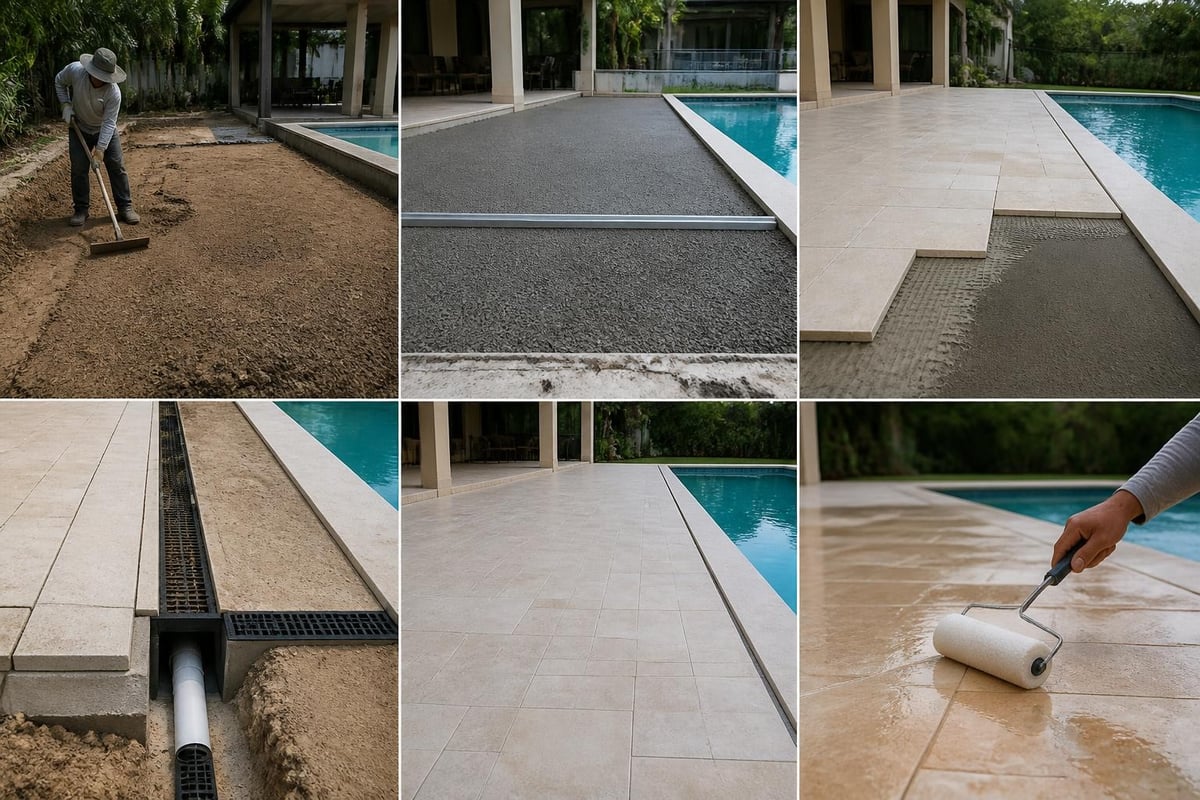
Professional contractors coordinate multiple disciplines throughout each project. They assess soil conditions, design proper drainage systems, establish correct slope gradients, and ensure structural support adequate for the chosen materials. Most contractors also handle permit applications, inspection scheduling, and compliance verification with local building departments.
Key responsibilities include:
- Site preparation and excavation coordination
- Substrate preparation and compaction
- Waterproofing and drainage installation
- Material procurement and quality control
- Surface installation and finishing
- Sealing, curing, and protection
The best pool deck contractors work closely with pool builders to ensure proper timing and coordination. When a custom in-ground pool is under construction, deck contractors must synchronize their work with plumbing installations, equipment placement, and coping details.
Material Expertise and Selection Guidance
Experienced contractors maintain current knowledge of material performance, longevity, and suitability for different climates and use patterns. They understand how Southern California's intense UV exposure, temperature fluctuations, and occasional freeze-thaw cycles in higher elevations affect material choices.
Different materials require distinct installation techniques. Concrete demands expertise in finishing, jointing, and curing. Pavers require precise grading, edge restraint systems, and joint sand selection. Natural stone involves careful layout planning and mortaring techniques. Tile installations around pools must meet specific slip-resistance standards to prevent accidents in wet conditions.
Material Options and Performance Considerations
The material you choose fundamentally shapes your pool deck's appearance, maintenance requirements, safety characteristics, and lifespan. Pool deck contractors should present options tailored to your specific site conditions, budget, and aesthetic goals.
Concrete Pool Decks
Poured concrete remains the most common pool deck material due to its versatility and cost-effectiveness. Contractors can finish concrete in numerous ways including broom finish, exposed aggregate, stamped patterns, or stained colors.
| Finish Type | Durability | Slip Resistance | Maintenance | Cost Range |
|---|---|---|---|---|
| Broom Finish | Excellent | Good | Low | $ |
| Exposed Aggregate | Excellent | Excellent | Low-Medium | $$ |
| Stamped Concrete | Good | Good-Excellent | Medium | $$-$$$ |
| Acid Stained | Good | Fair-Good | Medium-High | $$-$$$ |
Concrete's primary advantages include seamless installation, relatively quick completion, and adaptability to custom shapes and features. However, it can crack over time, particularly in areas with expansive soils or seismic activity. Quality contractors use control joints, proper reinforcement, and adequate substrate preparation to minimize these risks.
Paver Pool Decks
Interlocking pavers offer exceptional versatility and repair-friendly construction. Individual units can be replaced if damaged, and the jointed system accommodates minor ground movement without visible cracking.
Modern paver options include concrete pavers, porcelain pavers, and natural stone. Each category offers different aesthetic qualities, heat retention characteristics, and price points. Porcelain pavers have gained significant popularity for pool applications because they stay cooler underfoot than concrete alternatives and resist fading exceptionally well.
Professional hardscape contractors understand the importance of proper base preparation for paver installations. A well-constructed base typically includes compacted aggregate base, a bedding layer, and appropriate edge restraints to prevent lateral movement.
Natural Stone and Premium Materials
Travertine, limestone, flagstone, and slate create distinctive high-end appearances. These materials offer natural color variation and unique textures that synthetic materials cannot replicate.
Benefits of natural stone:
- Excellent heat resistance (stays cooler than concrete)
- Timeless aesthetic appeal
- Natural slip resistance in many varieties
- Long-term value appreciation
Stone requires specialized installation knowledge. Contractors must account for natural variation in thickness, select appropriate mortaring or dry-set techniques, and seal properly to prevent staining and water absorption. The investment typically ranges from moderate to premium depending on stone type and installation complexity.
Safety Standards and Code Compliance
Modern pool deck contractors must navigate an increasingly complex regulatory environment. Safety codes protect users while accessibility requirements ensure pools serve all community members.
Slip Resistance and Surface Safety
Wet pool decks present obvious slip hazards. Contractors should specify materials meeting appropriate slip-resistance standards for wet conditions. The ASTM standards provide testing methods and performance criteria that professional contractors reference when selecting and installing deck surfaces.
Dynamic Coefficient of Friction (DCOF) measurements help quantify slip resistance. For pool decks, contractors typically target DCOF values of 0.42 or higher when wet. Textured finishes, exposed aggregate, and certain paver patterns all contribute to improved traction.
ADA Compliance Requirements
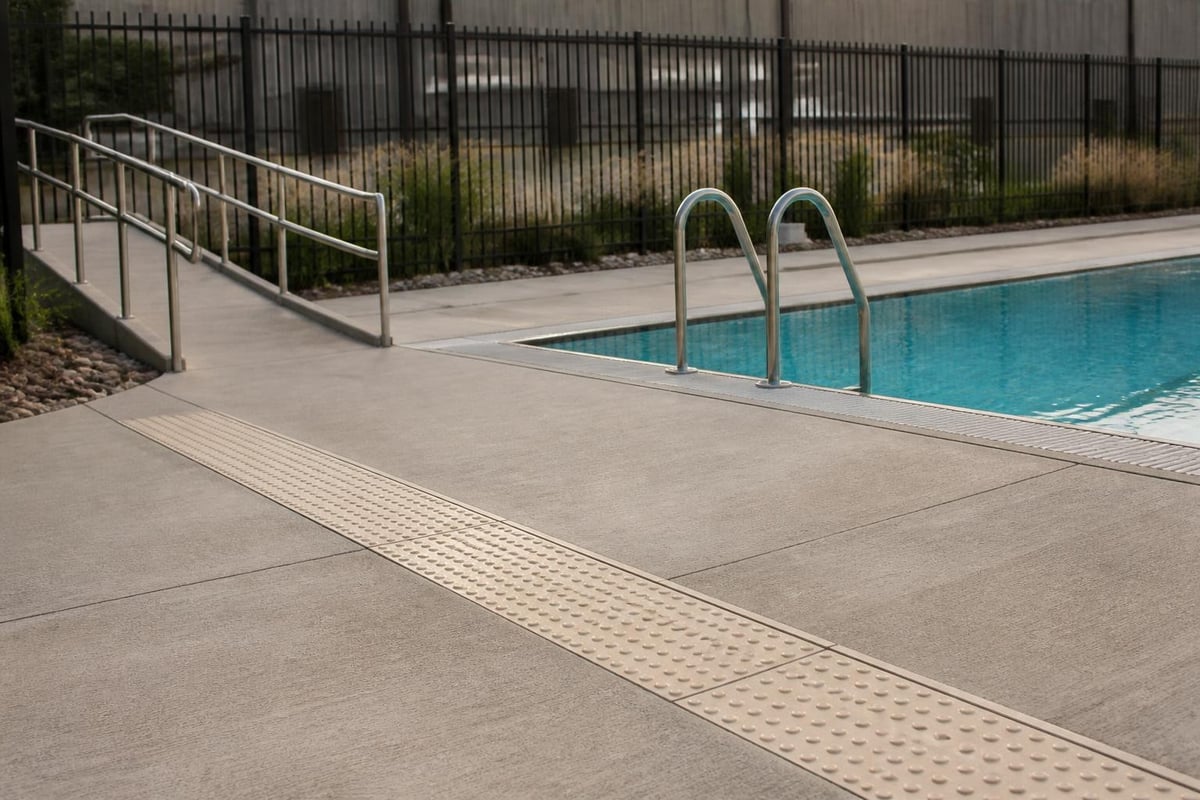
Commercial and some residential pool projects must comply with Americans with Disabilities Act requirements. The ADA guidelines for accessible pools mandate specific features including accessible routes from parking areas to pool entries, adequate maneuvering space, and compliant slopes.
Pool deck contractors working on commercial projects reference the U.S. Access Board’s technical guidance to ensure proper deck slopes, clearances around accessible entry points, and appropriate surface characteristics. Even homeowners benefit from understanding these principles when planning pool construction projects that accommodate family members with mobility limitations.
Building Codes and Structural Requirements
The 2024 International Swimming Pool and Spa Code establishes structural, mechanical, and safety provisions that govern pool deck construction. These requirements address drainage systems, structural support, barrier requirements, and related life-safety provisions.
Los Angeles County and individual municipalities often adopt these international codes with local amendments. Licensed contractors maintain familiarity with local interpretations and inspection requirements. They coordinate inspection schedules and prepare documentation that demonstrates compliance throughout the construction process.
Drainage and Stormwater Management
Proper drainage represents one of the most critical yet frequently underestimated aspects of pool deck design. Poor drainage creates safety hazards, damages adjacent structures, and contributes to premature material deterioration.
Slope and Grading Requirements
Pool deck contractors must establish proper slopes that direct water away from pool coping and adjacent structures. Typical specifications call for minimum slopes of 2% (1/4 inch per foot) to ensure positive drainage while maintaining comfortable walking surfaces.
The slope design must account for multiple factors including pool coping height, adjacent landscaping elevations, and drainage outlet locations. Contractors use laser levels and precise grading techniques to achieve specified slopes across the entire deck area.
Drainage Systems and EPA Considerations
Modern pool decks often incorporate dedicated drainage systems including trench drains, area drains, and subsurface drainage pipes. These systems collect deck water and direct it to appropriate discharge points.
The EPA’s guidance on stormwater runoff highlights how impervious surfaces like pool decks affect local water quality. Progressive contractors incorporate permeable paver options, bioswales, and other best management practices when site conditions allow. Some jurisdictions require stormwater management plans for larger deck installations.
Selecting the Right Pool Deck Contractors
The contractor you choose directly impacts project quality, timeline adherence, and long-term satisfaction. Thorough vetting prevents costly mistakes and ensures professional execution.
Licensing and Insurance Verification
California requires contractors performing work valued over $500 to hold valid contractor licenses issued by the Contractors State License Board (CSLB). Verify licenses through the CSLB website and confirm they're active, current, and appropriate for the scope of work.
Essential verification steps:
- Confirm active contractor license status
- Verify general liability insurance coverage
- Check workers' compensation insurance
- Review bond information if applicable
- Confirm license classification matches project scope
Pool deck contractors may hold various license classifications including C-27 (Landscaping), C-8 (Concrete), or B (General Building) licenses. The appropriate classification depends on project scope and materials. Ask contractors to provide insurance certificates naming you as additional insured for the project duration.
Portfolio Review and Reference Checking
Examine completed projects similar to your planned installation. Quality contractors maintain portfolios showcasing material variety, project complexity, and finishing details. Pay attention to edge details, joint patterns, drainage solutions, and integration with existing structures.
Request references from recent projects completed within the past year. Contact these references and ask specific questions about communication quality, timeline adherence, problem-solving approach, and post-installation support. Visit completed projects when possible to assess aging characteristics and long-term performance.
Proposal Comparison and Contract Elements
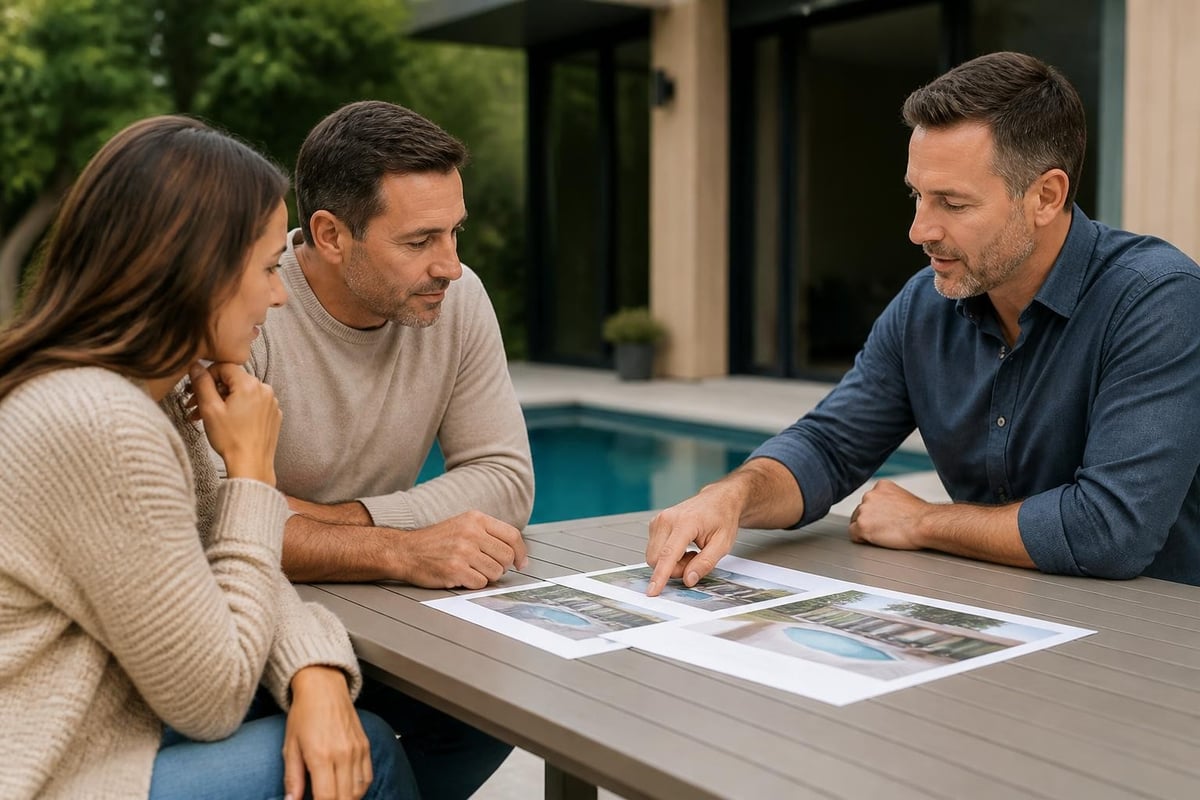
Obtain detailed written proposals from multiple contractors. Comprehensive proposals specify materials by manufacturer and product line, outline work scope in detail, establish payment schedules, and provide realistic timelines.
| Proposal Element | What to Verify | Red Flags |
|---|---|---|
| Material Specifications | Exact product names and models | Vague "contractor grade" language |
| Scope of Work | Itemized tasks and responsibilities | Broad, undefined categories |
| Timeline | Start date and completion schedule | No specific dates provided |
| Payment Terms | Draw schedule tied to milestones | Large upfront deposits |
| Warranty Coverage | Specific terms and duration | No written warranty offered |
Compare proposals carefully, recognizing that the lowest price rarely delivers the best value. Contractors offering significantly lower prices may use inferior materials, skip critical preparation steps, or lack proper insurance coverage. Focus on total value including material quality, installation expertise, and warranty coverage.
Communication and Project Management
Effective contractors establish clear communication protocols from the first consultation. They explain technical concepts in accessible language, provide regular progress updates, and respond promptly to questions and concerns.
Ask potential contractors about their project management approach. Quality firms assign dedicated project managers, maintain organized job sites, protect adjacent landscaping, and schedule work to minimize disruption. They coordinate with pool builders, landscapers, and other trades to ensure seamless project flow.
Advanced Installation Considerations
Complex pool deck projects involve specialized techniques that separate experienced contractors from general construction companies.
Coordination with Pool Construction
When installing decks around new pools, timing coordination proves critical. Deck contractors must work around pool plumbing installations, equipment placement, and coping installation. They coordinate with pool builders to establish proper elevations, manage excavated material, and schedule concrete pours or paver installations.
Projects in areas like Calabasas or Sherman Oaks often involve hillside conditions requiring retaining walls, extensive grading, and careful drainage planning. Experienced contractors assess these challenges early and develop comprehensive solutions.
Waterproofing and Below-Grade Applications
Some luxury installations include pool decks over occupied spaces such as garages or living areas. These applications require specialized waterproofing systems and structural coordination documented in resources like IIBEC’s guidance on amenity rooftops.
Waterproofing failures in these applications cause catastrophic damage. Qualified contractors install multi-layer waterproofing membranes, provide positive drainage to designated scuppers, and coordinate structural loading with engineers. They understand vapor barriers, drainage mats, and protection boards required for long-term performance.
Integration with Landscape and Hardscape Features
Pool decks rarely exist in isolation. They connect to paver patios, outdoor kitchens, fire features, and landscaped areas. Skilled contractors design cohesive outdoor environments where materials, elevations, and drainage systems work together harmoniously.
This integration requires understanding how different materials expand, contract, and weather over time. Contractors select complementary materials and install appropriate transition details between different surface types. They coordinate with landscape professionals to protect existing trees, establish planting areas, and integrate irrigation systems.
Maintenance Requirements by Material Type
Different deck materials demand distinct maintenance approaches. Pool deck contractors should educate clients about ongoing care requirements before installation begins.
Concrete Maintenance Protocols
Sealed concrete requires periodic resealing every 2-3 years depending on traffic levels and exposure conditions. Contractors recommend specific sealer types compatible with the original installation and local climate conditions.
Pressure washing removes surface dirt and organic growth but requires proper technique to avoid surface damage. Experienced contractors often provide maintenance guidelines including appropriate cleaning products, pressure settings, and seasonal care recommendations.
Paver Care and Joint Management
Paver decks require periodic joint sand replenishment and occasional re-sanding. Polymeric sand products resist erosion better than traditional sand but may require replacement every 5-8 years depending on conditions.
Individual pavers can be replaced when damaged without affecting surrounding units. Quality contractors provide extra pavers from the original installation for future repairs. They also document installation patterns and joint widths to facilitate seamless repairs.
Stone Sealing and Stain Prevention
Natural stone benefits from periodic sealing to resist staining and water absorption. Different stone types require different sealer formulations. Travertine and limestone need breathable sealers that don't trap subsurface moisture, while granite and slate accept more robust protective treatments.
Professional contractors provide specific product recommendations and application schedules based on stone type and exposure conditions. They explain how to address common issues like efflorescence, organic staining, and chemical damage from pool products.
Cost Factors and Budget Planning
Pool deck costs vary dramatically based on materials, site conditions, project complexity, and regional labor rates. Understanding cost drivers helps homeowners budget appropriately and evaluate contractor proposals.
Material Cost Comparisons
Material selection represents the largest cost variable in most projects. Basic broom-finished concrete typically costs $8-12 per square foot installed. Stamped or decorative concrete ranges from $12-18 per square foot. Standard concrete pavers run $15-25 per square foot, while premium porcelain pavers or natural stone installations range from $25-40 per square foot or higher.
These ranges reflect typical 2026 costs in Los Angeles markets and include basic preparation, installation, and finishing. Complex site conditions, extensive grading requirements, or specialty finishes increase costs substantially.
Site Condition Impacts
Difficult access, hillside locations, expansive soils, and removal of existing decks all add to project costs. Contractors must evaluate each site individually and price accordingly.
Cost-increasing factors:
- Limited equipment access requiring hand labor
- Extensive excavation or fill requirements
- Retaining wall construction
- Underground utility relocation
- Disposal of contaminated or unsuitable soils
- Subsurface drainage system installation
Transparent contractors itemize these additional costs rather than hiding them in inflated material prices. They explain why specific conditions require premium pricing and offer alternative approaches when possible.
Long-Term Value Considerations
Budget-conscious homeowners sometimes select materials based solely on initial cost. This approach often proves expensive over time. Cheaper materials may require more frequent repairs, need earlier replacement, or demand higher maintenance costs.
Quality pool deck contractors help clients understand total ownership costs including initial installation, ongoing maintenance, expected lifespan, and replacement costs. A premium material with 25-year lifespan and minimal maintenance often delivers better value than a budget option requiring replacement after 10-12 years.
Regional Considerations for Los Angeles Projects
Los Angeles pool deck contractors must account for specific regional factors affecting design and material selection.
Climate and Weather Impacts
Southern California's Mediterranean climate creates ideal conditions for outdoor living but presents specific challenges. Intense UV exposure fades colored concrete and degrades sealers more quickly than in temperate climates. Extended dry periods cause soil shrinkage that can affect deck stability in areas with expansive clay soils.
Contractors experienced in neighborhoods like Pasadena or La Cañada Flintridge understand local soil conditions and design foundation systems accordingly. They specify UV-resistant sealers and recommend materials that maintain appearance despite intense sun exposure.
Permit Requirements and Municipal Variations
Los Angeles County and its incorporated cities maintain different permit requirements and inspection protocols. Some municipalities require licensed landscape architects or civil engineers to design drainage systems. Others mandate specific setbacks, barrier requirements, or waterproofing specifications.
Experienced contractors navigate these variations efficiently. They maintain relationships with local building departments, understand typical inspection focus areas, and prepare documentation that satisfies reviewer requirements. This expertise prevents delays and ensures first-time inspection approval.
Water Conservation and Sustainable Design
California's ongoing water conservation initiatives influence pool and deck design. Some homeowners incorporate permeable paver systems that allow rainwater infiltration. Others install deck drains that capture and reuse pool backwash water for landscape irrigation.
Progressive pool deck contractors discuss these options proactively. They explain how sustainable design features can reduce environmental impact while potentially qualifying for rebates or expedited permit processing in sustainability-focused municipalities.
Technology and Modern Installation Methods
The pool deck industry has adopted numerous technological advances that improve installation accuracy, reduce timelines, and enhance long-term performance.
3D Design and Visualization
Modern contractors use 3D design software to create realistic renderings showing proposed materials, layouts, and finished appearances. These visualizations help homeowners make confident decisions about materials, patterns, and features before installation begins.
Software tools also assist with accurate material takeoffs, reducing waste and ensuring proper ordering. Contractors generate detailed plans showing dimensions, slopes, drainage locations, and construction details that guide installation crews and satisfy building department requirements.
Laser Grading and Precision Installation
Laser levels and GPS-guided grading equipment enable contractors to achieve precise slopes and elevations efficiently. This technology proves particularly valuable on large decks or complex projects with multiple elevation changes.
Precision grading ensures proper drainage performance and reduces callbacks for standing water issues. It also improves installation speed by eliminating time-consuming manual grade checking and adjustment.
Advanced Materials and Products
The industry continuously introduces improved materials offering enhanced performance characteristics. Self-leveling concrete overlays create smooth, durable surfaces over existing decks. Polymer-modified mortars provide superior bond strength and flexibility for tile and stone installations. UV-stable sealers extend service life in high-exposure environments.
Quality contractors stay current with product innovations and recommend solutions appropriate for each project's specific requirements. They attend industry training, maintain manufacturer certifications, and test new products on their own properties before recommending them to clients.
Choosing qualified pool deck contractors requires careful evaluation of credentials, experience, and project approach, but the investment in thorough contractor selection pays dividends through superior installation quality, code compliance, and long-term performance. Whether you're planning a new pool or renovating an existing deck in Los Angeles, working with licensed professionals who understand local conditions, safety requirements, and modern materials ensures your outdoor investment delivers lasting value and enjoyment. AM BUILDS CA brings 15+ years of experience in custom pool construction and professional paver installation, offering homeowners direct access to licensed expertise, transparent pricing, and quality craftsmanship throughout Los Angeles and surrounding communities.


