


Finding reliable pool builders supply near me is one of the most critical factors separating professional pool construction from amateur work. When homeowners in Los Angeles invest in custom in-ground pools, the quality of materials directly impacts durability, safety, and long-term performance. Professional contractors rely on established relationships with specialty suppliers who provide commercial-grade equipment, certified materials, and technical support that meets California building codes. Understanding what goes into sourcing these materials helps homeowners ask better questions, recognize quality work, and appreciate why experienced contractors can deliver results that last decades.
What Pool Builders Supply Actually Means
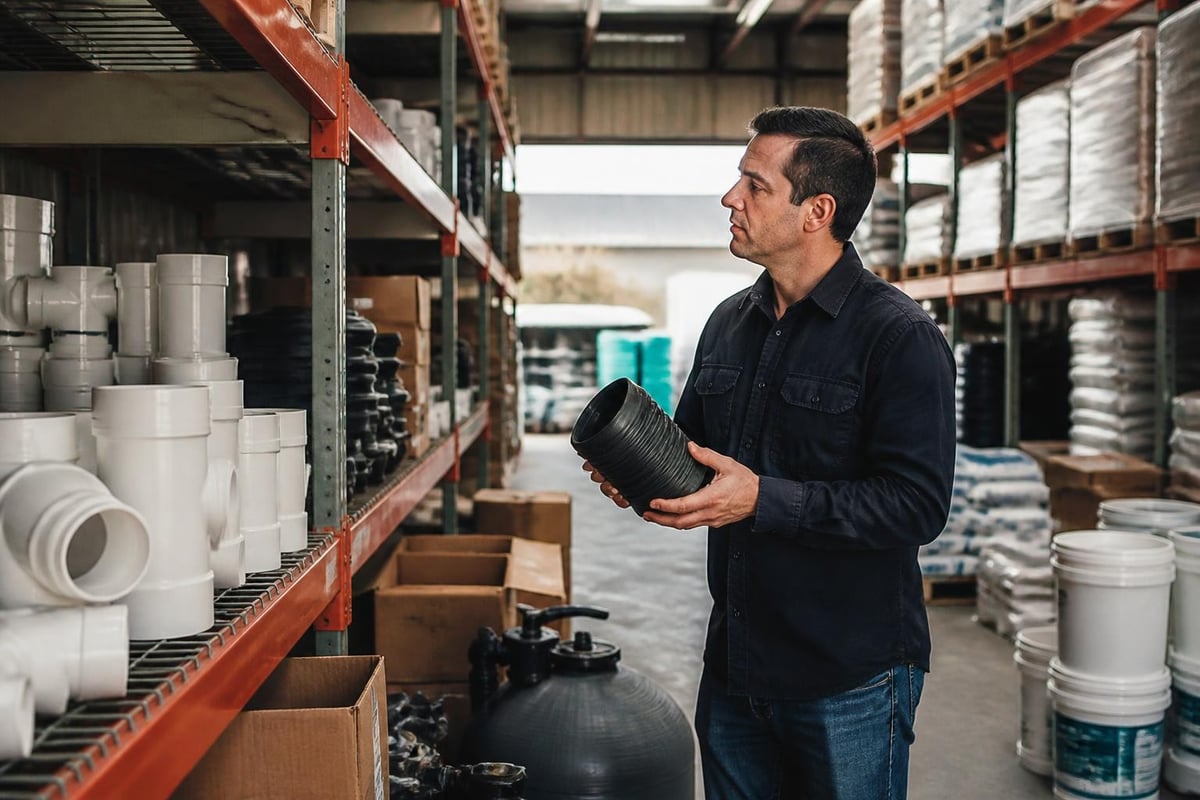
The term "pool builders supply near me" encompasses far more than retail pool stores that sell inflatable toys and chlorine tablets. Professional pool construction suppliers stock specialized materials that comply with industry standards established by the Pool & Hot Tub Alliance and California building codes.
Core Supply Categories
Licensed contractors source materials across several technical categories:
- Structural components: Rebar, steel reinforcement, shotcrete, and gunite materials
- Plumbing systems: PVC and rigid piping, valves, fittings, drains, and suction-rated components
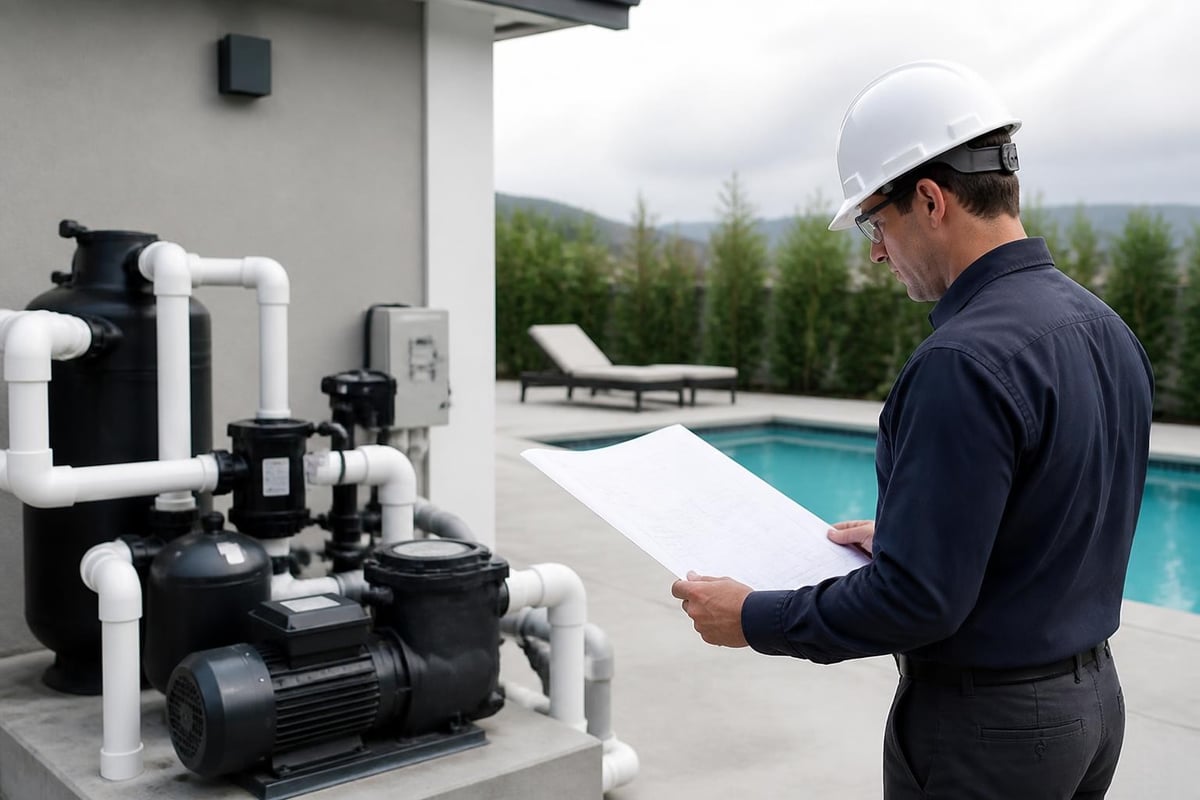
- Equipment: Pumps, filters, heaters, automation systems, and sanitization equipment
- Finishes: Plaster, pebble, tile, coping stones, and waterproofing membranes
- Safety devices: VGBA-compliant drain covers, barriers, alarms, and emergency shut-offs
Professional suppliers maintain relationships with manufacturers who certify their products for commercial pool applications. These materials undergo testing that consumer-grade products never receive.
Why Location Matters for Pool Supply Sourcing
Searching for pool builders supply near me isn't just about convenience. Geographic proximity to suppliers affects project timelines, material freshness, and cost management in ways most homeowners never consider.
Delivery Logistics and Project Scheduling
Shotcrete and concrete products have strict time windows between mixing and application. Local suppliers can deliver fresh batches that meet the 90-minute workability window contractors need. Distant suppliers create risks of material setting before crews can properly place and finish it.
Weight and transportation costs for materials like coping stones, tile pallets, and equipment pads make local sourcing economically sensible. A single pool project might require 20-30 tons of materials delivered across multiple phases.
| Supply Category | Local Advantage | Long-Distance Risk |
|---|---|---|
| Shotcrete/Gunite | Fresh mix, proper cure | Material sets prematurely |
| Tile & Stone | Inspection before purchase | Damaged goods, return delays |
| Equipment | Same-day warranty service | Shipping delays on failures |
| Plumbing Parts | Emergency replacement stock | Project delays waiting for parts |
Los Angeles contractors benefit from suppliers who understand local code requirements, soil conditions, and typical project specifications. When you work with experienced pool builders in Los Angeles, they've already established supplier relationships that ensure material availability and technical support.
Essential Materials Professional Contractors Source
Understanding what materials contractors source helps homeowners recognize quality work and ask informed questions during the design phase.
Structural Foundation Components
The structural integrity of any custom pool depends on properly specified materials:
- Steel reinforcement: #3 or #4 rebar in grid patterns (typically 12-inch centers)
- Shotcrete mix: 3,500-4,000 PSI minimum compressive strength
- Waterproofing additives: Integral crystalline or admixtures
- Expansion joints: Closed-cell foam and sealants rated for continuous submersion
These materials must meet engineering specifications that account for soil conditions, hydrostatic pressure, and seismic requirements specific to Los Angeles County.
Plumbing and Hydraulic Systems
Pool plumbing represents one of the most technical aspects of supply sourcing. Contractors need components that comply with the Virginia Graeme Baker Pool and Spa Safety Act, which establishes anti-entrapment requirements for drain systems.
Critical plumbing components include:
- Schedule 40 PVC for pressure lines (returns, jets, water features)
- Flexible PVC for suction lines where code permits
- VGBA-compliant drain covers with proper flow ratings
- Anti-vortex drain configurations
- Vacuum relief valves and air release systems
Professional suppliers stock multiple drain cover sizes rated for specific flow velocities. This isn't something available at general hardware stores.
Equipment Selection and Commercial-Grade Standards
The mechanical equipment that circulates, filters, heats, and sanitizes pool water represents a significant portion of project cost and long-term operating expenses.
Filtration and Circulation Systems
Licensed contractors evaluate several factors when specifying equipment:
Pump sizing: Based on pool volume, turnover rate requirements (typically 8 hours), and total dynamic head (resistance from plumbing, elevation changes, and equipment)
Filter capacity: Sand, cartridge, or DE filters sized for flow rate with adequate surface area
Energy efficiency: Variable-speed pumps that meet Title 24 California energy standards
| Equipment Type | Professional Spec | Homeowner Risk of Wrong Choice |
|---|---|---|
| Pump | Hydraulically matched to plumbing | Undersized: poor circulation / Oversized: wasted energy |
| Filter | Proper media, flow rate | Inadequate filtration, frequent cleaning |
| Heater | BTU calculation for volume, surface area | Slow heating, high operating costs |
| Automation | Integrated system compatibility | Components that don't communicate |
Suppliers who serve professional contractors provide technical support for equipment selection, warranty processing, and replacement parts inventory.
Safety and Chemical Management
Pool chemistry and safe chemical storage require proper equipment specification. Professional suppliers stock:
- Chemical feeders (chlorinators, salt systems, mineral systems)
- ORP and pH monitoring equipment
- Ventilated chemical storage solutions
- Safety equipment (PPE, spill containment, emergency eyewash)
The National Pesticide Information Center provides detailed guidance on chemical types and handling practices that inform equipment room design and ventilation requirements.
Finishing Materials That Define Quality
While structural and mechanical components remain hidden, finishing materials define the aesthetic and tactile experience of your pool.
Interior Surface Options
Professional pool builders supply near me options include several finish categories:
Plaster finishes: White marcite, colored plaster, or polished plaster with 7-10 year life expectancy
Aggregate finishes: Pebble, quartz, or glass bead surfaces with 15-20 year durability
Tile: Porcelain, glass, or natural stone in waterline applications or full interior coverage
Each finish type requires specific application expertise and curing protocols. Contractors source these materials from suppliers who provide technical data sheets, application training, and manufacturer warranties.
Coping and Deck Materials
The pool perimeter requires materials that handle thermal expansion, chlorine exposure, and slip resistance. When contractors also handle hardscape and paver installation, they coordinate coping and deck materials for visual continuity and proper drainage.
- Natural stone coping (travertine, limestone, bluestone)
- Precast concrete coping with bullnose or square edges
- Cantilevered deck coping for modern aesthetics
- Pavers with slip-resistant surfaces and permeable options
Vetting Suppliers: What Contractors Look For
Experienced pool builders don't choose suppliers randomly. They evaluate several factors that directly impact project success.
Supply Chain Reliability
Consistent inventory matters when projects move through multiple phases. Contractors need assurance that specified tile, coping, or equipment will be available when the project reaches that stage.
Vendor relationships with manufacturers provide access to technical support, warranty processing, and problem-solving when field conditions require adjustments.
Technical Expertise and Support
Professional suppliers employ staff with Pool & Hot Tub Alliance certification and training who can answer technical questions about:
- Code compliance for plumbing configurations
- Equipment sizing calculations
- Compatibility between components from different manufacturers
- Warranty requirements and documentation
This expertise proves invaluable when projects encounter unexpected conditions or homeowners request design modifications mid-construction.
Quality Assurance and Certifications
Material certifications document that products meet industry standards (NSF/ANSI, ASTM, IAPMO). Professional suppliers maintain these records and can provide documentation for permit inspections.
Equipment testing ensures pumps, filters, and heaters perform to manufacturer specifications before installation. Reputable suppliers won't stock equipment that fails quality control.
Red Flags: When Supply Choices Indicate Problems
Homeowners should pay attention to where their contractor sources materials. Certain patterns suggest corners being cut.
Warning Signs in Material Selection
- Big-box retail purchases for structural or plumbing components (these rarely meet professional specifications)
- Unmarked or uncertified equipment without manufacturer documentation
- Mixed brand components that haven't been verified for compatibility
- Discontinued or closeout finishes that may lack warranty support
- Suspiciously low material costs that don't align with market pricing
Professional contractors maintain transparency about material sourcing. They should provide documentation showing compliance with standards and local codes.
The Economics of Professional Supply Relationships
Understanding how contractors approach material costs helps homeowners evaluate bids accurately.
Contractor Pricing vs. Retail Pricing
Licensed contractors typically receive commercial pricing that runs 20-40% below retail. This doesn't mean your project costs less; it reflects the volume purchasing power and established credit terms professionals maintain.
What this means for homeowners:
- Contractors should explain material specifications, not just show bottom-line costs
- Comparing contractor bids requires comparing specified materials, not just prices
- "Allowances" for finishes should specify quality levels and brands
Value Engineering Without Compromising Quality
Experienced contractors know where cost savings make sense and where they create long-term problems:
| Component Category | Smart Savings Opportunities | Never Compromise |
|---|---|---|
| Finishes | Choose quartz over premium pebble | Structural shotcrete quality |
| Equipment | Right-sized vs. oversized pumps | VGBA-compliant drains |
| Features | Postpone water features | Proper steel reinforcement |
| Automation | Basic vs. smartphone control | Bonding and grounding systems |
The right pool builders supply near me relationships allow contractors to present options that meet both budget constraints and performance requirements.
Questions to Ask Your Contractor About Materials
When interviewing contractors for your custom pool project, ask specific questions about their supply chain:
Material Source Verification
- Which suppliers do you use for structural materials, plumbing, equipment, and finishes?
- How long have you maintained relationships with these suppliers?
- Can you provide manufacturer documentation for major components?
- What warranties come with the materials you're specifying?
- How do you handle material defects discovered during or after installation?
Code Compliance and Standards
- How do you verify that materials meet California building codes?
- Which components require engineer stamps or certifications?
- What testing occurs before and after installation?
- How do you document compliance for final inspections?
These questions separate contractors who understand professional standards from those cutting corners with inferior materials.
Supply Considerations for Different Pool Types
The type of pool you're building affects material requirements and supplier relationships contractors need.
Gunite vs. Shotcrete Applications
While often used interchangeably, gunite (dry-mix) and shotcrete (wet-mix) require different supplier capabilities:
Gunite suppliers provide bagged dry materials that mixing equipment combines with water at the nozzle. This works well for smaller projects and allows longer working windows.
Shotcrete suppliers deliver ready-mix concrete through specialized pumping trucks. This method produces more consistent strength and fewer voids for larger commercial-quality pools.
Los Angeles contractors working on custom residential pools typically use shotcrete for superior structural integrity and faster installation.
Specialty Features and Custom Elements
Custom pools with spas, water features, fire elements, or lighting require additional supplier relationships:
- Spa jets and controls: Specialized hydrotherapy equipment suppliers
- Water features: Pumps, nozzles, and control valves rated for decorative applications
- Fire features: Gas-rated components, fire glass, and ignition systems
- LED lighting: Transformer-rated systems with proper grounding
Each specialty element requires suppliers who understand pool-specific applications and safety requirements.
Seasonal Availability and Project Timing
Material availability fluctuates with construction seasons, affecting project scheduling and costs.
Peak Season Challenges
Summer construction demand (May through September) creates competition for:
- Shotcrete delivery slots from local batch plants
- Popular tile and finish materials with longer lead times
- Equipment from manufacturers experiencing seasonal backorders
Contractors with strong supplier relationships can secure materials and delivery windows that keep projects on schedule.
Off-Season Advantages
Winter and early spring (November through March) often provide:
- Better material availability with shorter lead times
- More flexible delivery scheduling
- Contractors' full attention without competing projects
- Potential cost savings on certain materials
Smart homeowners consider these timing factors when planning pool construction projects.
Future-Proofing Through Smart Material Choices
The materials specified today affect your pool's performance, maintenance costs, and upgrade potential for decades.
Energy Efficiency Considerations
California's Title 24 energy standards continue evolving. Smart contractors specify:
- Variable-speed pumps that reduce operating costs by 50-75%
- LED lighting with minimal power consumption and 20+ year lifespan
- Efficient heaters (heat pump or solar-assisted systems)
- Automation controls that optimize operating schedules
These components cost more initially but deliver measurable savings throughout the pool's life.
Maintenance Accessibility
Material choices affect how easily your pool can be serviced:
Removable deck sections over plumbing lines allow future repairs without jackhammering
Accessible equipment placement simplifies filter cleaning, part replacement, and system upgrades
Standard component sizing ensures replacement parts remain available as technology evolves
Professional suppliers help contractors design systems that balance initial construction efficiency with long-term serviceability.
How Professional Contractors Manage Supply Chain Risk
Even the best supplier relationships face disruptions from manufacturing issues, shipping delays, or material shortages.
Contingency Planning
Experienced contractors mitigate supply risks through:
- Alternative material specifications identified during design phase
- Lead time buffers built into project schedules
- Deposit timing that secures materials without excessive upfront cash commitment
- Inspector relationships that allow flexibility when approved alternatives become necessary
These practices protect homeowners from project delays and unexpected cost increases.
Finding reliable pool builders supply near me requires professional expertise, established supplier relationships, and deep understanding of materials that meet California codes and industry standards. Licensed contractors bring these connections to your project, ensuring structural integrity, safety compliance, and long-term performance. When you're ready to build a custom pool with materials sourced from trusted suppliers and installed by experienced professionals, AM BUILDS CA provides the expertise Los Angeles homeowners trust. With 15+ years of experience, CSLB license #1153503, and direct owner involvement on every project, we deliver custom in-ground pools built to last. Call (424) 485-4548 for a free, no-obligation estimate.


