


Building a pool transforms your backyard into a personal retreat, but the journey from concept to first swim requires careful planning and execution. New pool construction involves multiple phases, from design and permitting to excavation and finishing, each demanding attention to detail and expertise. Understanding this process helps homeowners make informed decisions, avoid costly mistakes, and ensure their investment delivers decades of enjoyment. Whether you're envisioning a simple lap pool or a resort-style oasis with waterfalls and spas, knowing what to expect makes the entire experience smoother and more rewarding.
Planning Your Pool Design and Layout
The foundation of successful new pool construction begins with thoughtful design that balances aesthetics, functionality, and your property's unique characteristics. Your pool's size, shape, and location dramatically impact construction complexity, cost, and long-term enjoyment.
Start by assessing your available space and how you intend to use the pool. Families with young children prioritize shallow play areas and safety features, while fitness enthusiasts focus on lap lanes and consistent depth. Entertainment-focused designs incorporate attached spas, tanning ledges, and generous deck space for gatherings.
Site Evaluation and Considerations
Before finalizing your design, professional contractors evaluate several critical factors:
- Soil composition and drainage patterns that affect excavation and structural requirements
- Utility line locations including gas, electrical, water, and telecommunications
- Access routes for heavy equipment during excavation and material delivery
- Sun exposure throughout the day to optimize warmth and minimize heating costs
- Privacy and views from both inside the pool and surrounding living spaces
- Local setback requirements and distance from property lines
Topography plays a significant role in construction complexity. Sloped yards may require additional grading or retaining walls, while flat lots typically offer more straightforward installation. Underground obstacles like rock formations or high water tables can necessitate specialized equipment or engineering solutions.
Working With Design Professionals
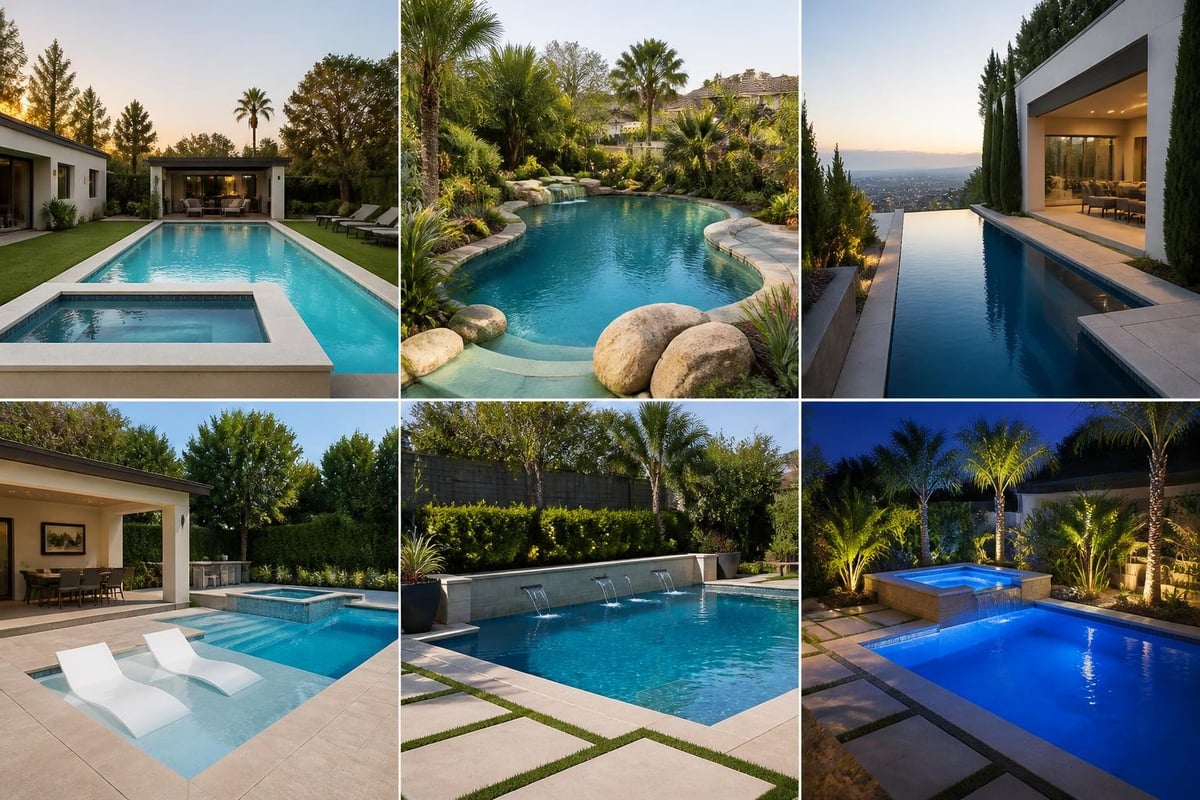
Most new pool construction projects benefit from collaboration between homeowners and experienced designers who understand both aesthetic possibilities and technical realities. Professional designers create detailed plans showing pool dimensions, depth transitions, equipment locations, and decking layouts.
In-ground pool construction specialists bring years of experience translating homeowner visions into buildable, code-compliant designs. They recommend materials, finishes, and features based on your budget and maintenance preferences while ensuring structural integrity and long-term performance.
Navigating Permits and Regulations
Securing proper permits stands as one of the most critical steps in new pool construction. Los Angeles County and city jurisdictions enforce strict building codes governing pool installation, and attempting to bypass this process creates significant legal and financial risks.
Required Documentation and Approvals
The permit process typically requires:
- Detailed construction plans prepared by licensed professionals showing all dimensions and specifications
- Engineering calculations for structural elements, particularly for pools with unusual shapes or depths
- Equipment specifications including filtration, heating, and electrical systems
- Safety barrier plans demonstrating fence height, gate placement, and self-closing mechanisms
- Drainage and grading plans showing how water runoff will be managed
Jurisdictions review submissions to ensure compliance with local codes, zoning ordinances, and safety standards. Review periods vary but typically range from two to six weeks depending on application completeness and reviewer workload.
| Permit Type | Typical Cost Range | Processing Time | Purpose |
|---|---|---|---|
| Building Permit | $1,500 – $3,500 | 3-6 weeks | Structural approval and code compliance |
| Electrical Permit | $300 – $800 | 1-2 weeks | Safe electrical installation verification |
| Plumbing Permit | $200 – $600 | 1-2 weeks | Water supply and drainage compliance |
| Fence/Barrier Permit | $150 – $400 | 1-2 weeks | Safety barrier requirements |
Accessibility Standards
New pool construction must consider accessibility requirements, particularly for properties subject to ADA guidelines. The U.S. Access Board provides comprehensive guidance on accessible pool design including entry systems, handrails, and circulation paths. While single-family residential pools generally fall outside ADA mandates, incorporating accessibility features enhances usability for guests with mobility limitations and can increase property value.
Construction Materials and Methods
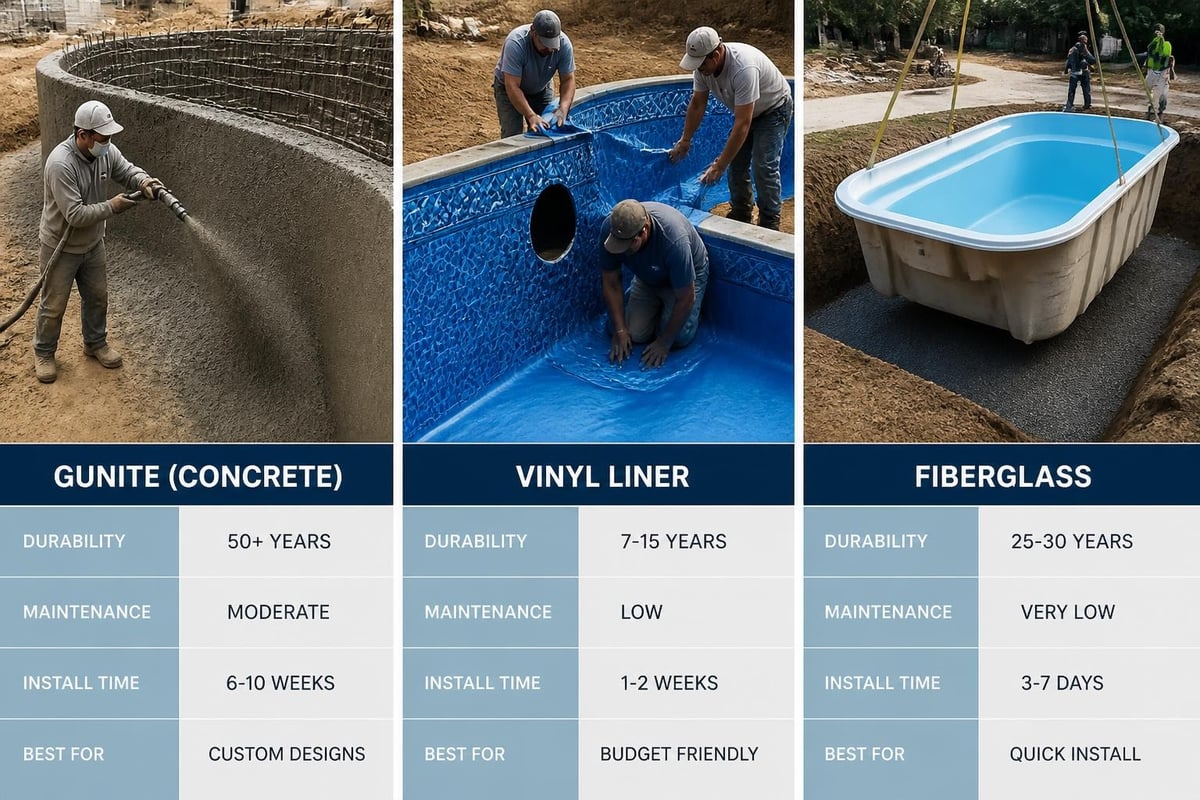
Modern new pool construction primarily utilizes three materials, each offering distinct advantages and considerations. Your choice impacts construction timeline, initial cost, customization options, and maintenance requirements.
Gunite and Shotcrete Pools
Gunite pools dominate the custom pool market in Los Angeles, representing approximately 70% of new residential installations. This pneumatically applied concrete mixture creates highly durable, fully customizable structures that conform to any shape or size.
The gunite process involves:
- Excavating to precise specifications and removing soil
- Installing steel rebar framework following engineering plans
- Shooting dry concrete mix through hoses at high pressure
- Hand-troweling surfaces for proper finish and waterproofing
- Applying plaster, aggregate, or tile finishes after curing
Shotcrete follows similar principles but uses pre-mixed wet concrete, offering slightly different working properties. Both methods create permanent, structurally robust pools capable of lasting 50+ years with proper maintenance.
Vinyl-Lined Pools
Vinyl-lined systems use pre-fabricated panels or poured concrete walls with custom-fitted vinyl liners. These pools cost less initially but require liner replacement every 7-10 years. The smooth surface feels pleasant and requires fewer chemicals than concrete, but sharp objects easily puncture vinyl, and design options are more limited compared to gunite.
Fiberglass Pools
Pre-manufactured fiberglass shells arrive on-site ready for installation into prepared excavations. Installation happens quickly, often within days, and the smooth gel-coat surface resists algae growth. However, size limitations exist due to transportation constraints, and repairs to damaged fiberglass require specialized expertise.
The Construction Timeline
Understanding the sequential nature of new pool construction helps homeowners set realistic expectations and plan accordingly. Total timeline varies based on pool complexity, weather conditions, permit processing, and material availability.
Phase-by-Phase Breakdown
Week 1-2: Excavation and Rough Grading
Heavy machinery removes soil according to engineered plans, creating the pool cavity and establishing proper grades for drainage. Operators must work carefully around utility lines and maintain safe excavation walls. For backyard remodeling projects, excavation also accounts for surrounding hardscape and landscape features.
Week 2-3: Plumbing and Steel Installation
Licensed plumbers install main drains, return lines, skimmer connections, and equipment pad plumbing. Simultaneously, steel workers bend and tie rebar according to engineering specifications, creating the reinforcement framework that gives gunite its strength.
Week 3-4: Gunite Application and Initial Curing
Certified gunite crews shoot concrete, typically completing pool shells in a single day. Proper shooting technique ensures consistent density and eliminates voids. The shell then cures for 7-14 days before proceeding.
Week 4-6: Equipment Installation and Decking
Electricians wire pumps, heaters, lights, and controls. Gas lines connect to heaters if applicable. Concrete or paver decking takes shape around the pool perimeter, with hardscape installation creating cohesive outdoor living spaces.
Week 6-8: Interior Finish and Fill
Plasterers apply the final interior surface, whether traditional white plaster, colored quartz, or premium pebble finishes. After finishing, pools fill with water and undergo initial chemical balancing.
| Construction Phase | Duration | Weather Impact | Critical Success Factors |
|---|---|---|---|
| Excavation | 2-4 days | High | Accurate measurements, utility protection |
| Steel/Plumbing | 3-5 days | Medium | Engineering compliance, proper spacing |
| Gunite | 1-2 days | Very High | Ideal temperature, skilled crew |
| Curing | 7-14 days | Medium | Moisture control, temperature stability |
| Equipment/Deck | 7-14 days | Medium | Code compliance, proper drainage |
| Finishing | 3-5 days | High | Surface preparation, application technique |
Weather and Seasonal Considerations
Los Angeles's Mediterranean climate generally permits year-round construction, but seasonal patterns influence scheduling. Summer and fall offer the most predictable weather, minimizing rain delays. Winter construction faces occasional rain interruptions, particularly during gunite application and finishing when moisture control proves critical.
Spring construction positions pools for summer enjoyment but coincides with peak contractor demand. Many homeowners begin planning in winter for spring starts, securing preferred contractors and locking in pricing before seasonal rushes.
Equipment Selection and Energy Efficiency
Modern pool equipment has evolved dramatically, offering homeowners unprecedented control over water quality, temperature, and energy consumption. Thoughtful equipment selection during new pool construction impacts operating costs and environmental footprint for decades.
Essential Equipment Components
Every pool requires core systems:
- Filtration pumps that circulate water through cleaning systems
- Filters using sand, cartridge, or diatomaceous earth media
- Heating systems including gas heaters, heat pumps, or solar panels
- Sanitization equipment from traditional chlorinators to salt systems
- Automation controls managing schedules, temperatures, and chemical dosing
Variable-speed pumps have largely replaced single-speed models due to substantial energy savings. These units adjust motor speed to match actual circulation needs, reducing electricity consumption by 50-75% compared to traditional pumps. The Department of Energy provides detailed guidance on pool heater efficiency and federal standards affecting equipment choices.
Heating Options Analysis
Climate control extends swimming seasons and enhances comfort. Three primary heating technologies serve different needs:
Gas heaters heat water quickly regardless of air temperature, making them ideal for occasional use or rapid temperature increases. Operating costs run higher than alternatives, but lower equipment prices offset this for infrequent users.
Heat pumps extract warmth from air and transfer it to pool water, operating efficiently in temperatures above 50°F. Higher initial costs are recovered through dramatically lower operating expenses, particularly beneficial for year-round pool use in Los Angeles's mild climate.
Solar heating harnesses free energy from the sun through roof-mounted panels or ground arrays. While installation costs are significant and heating depends on sunshine availability, operating costs essentially disappear once systems are installed.
Budgeting and Cost Management
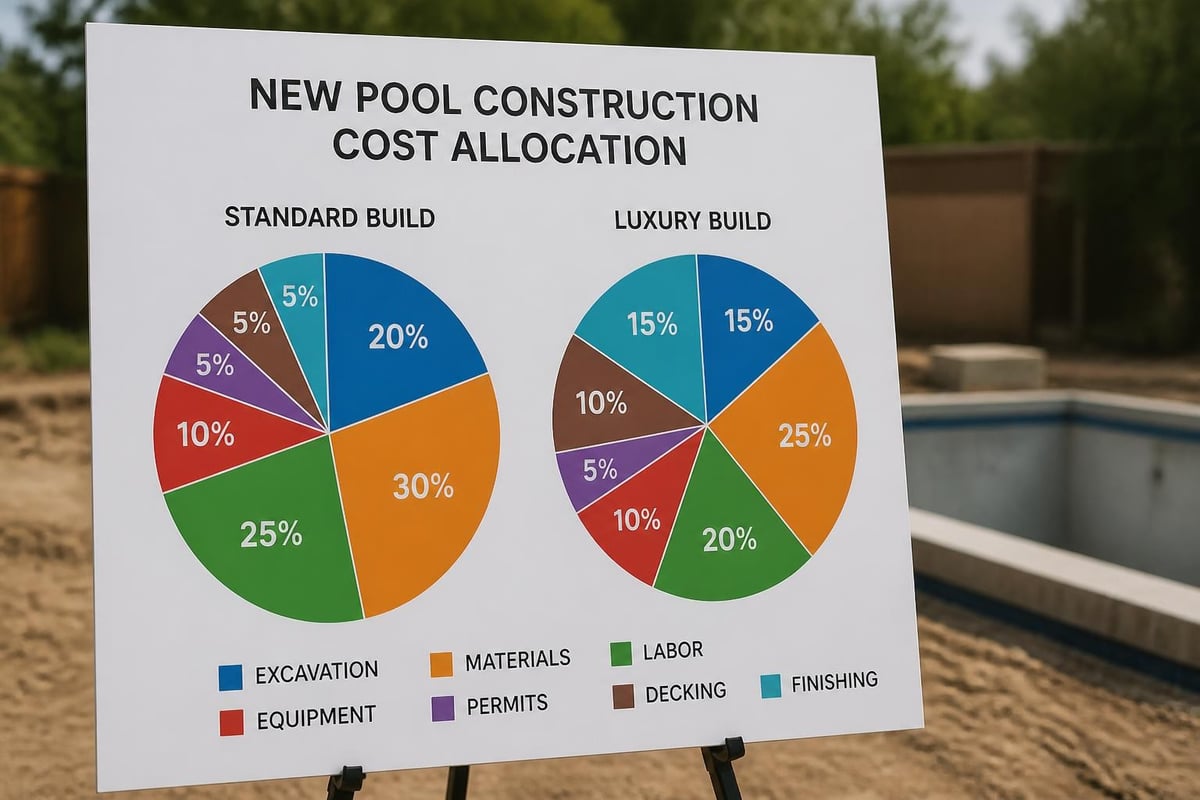
New pool construction represents a substantial investment, and understanding cost components helps homeowners budget accurately and avoid surprises. Los Angeles market conditions, permitting requirements, and design complexity all influence total expenditures.
Base Construction Costs
Standard gunite pools typically range from $50,000 to $100,000 depending on size and basic features. This baseline includes:
- Design and engineering services
- Permits and inspection fees
- Excavation and disposal
- Steel and gunite application
- Standard plumbing and equipment
- Basic interior finish
- Simple concrete or paver decking
Enhancement and Upgrade Costs
Customizations and premium features add to base pricing:
- Attached spas: $8,000 – $15,000 depending on size and jet configuration
- Water features (waterfalls, sheer descents, deck jets): $2,000 – $10,000 each
- Fire features (fire bowls, fire pits): $3,000 – $8,000
- LED lighting systems: $1,500 – $5,000 for comprehensive installation
- Premium finishes (aggregate, glass tile): $5,000 – $20,000 above standard plaster
- Automation systems: $2,000 – $6,000 for smartphone control and monitoring
- Tanning ledges and beach entries: $5,000 – $12,000
- Raised walls and negative edges: $8,000 – $25,000
Hidden Costs and Contingencies
Experienced contractors account for potential complications, but homeowners should maintain contingency funds for:
- Rock removal exceeding initial estimates
- Utility relocations discovered during excavation
- Drainage improvements required by inspectors
- Soil stabilization in challenging conditions
- Extended permit review periods
- Material price fluctuations during construction
Financial experts recommend maintaining 10-15% contingency reserves beyond contracted amounts to address unforeseen circumstances without derailing projects.
Quality Assurance and Inspections
New pool construction undergoes multiple inspection points ensuring code compliance, structural integrity, and safety. These checkpoints protect homeowners and verify contractor workmanship meets professional standards established by organizations like the Pool & Hot Tub Alliance.
Municipal Inspection Process
Building departments schedule inspections at critical construction phases:
- Pre-excavation utility clearance confirming safe dig zones
- Steel and plumbing rough-in before gunite conceals these systems
- Electrical rough-in verifying proper bonding and grounding
- Gas line pressure testing ensuring leak-free connections
- Barrier and safety equipment confirming fence height, gate function, and equipment placement
- Final inspection checking completed installation against approved plans
Inspectors issue correction notices for deficiencies, requiring remediation before proceeding. Working with licensed contractors familiar with local requirements minimizes inspection failures and delays. For reference, states like Connecticut publish detailed public pool design and inspection protocols demonstrating the thoroughness of code enforcement.
Third-Party Quality Reviews
Beyond mandatory inspections, some homeowners engage independent inspectors or structural engineers for additional oversight, particularly for complex designs or where contractor relationships are newly established. These reviews identify potential issues early when corrections are simpler and less expensive.
Safety Features and Barrier Requirements
Safety considerations permeate every aspect of new pool construction, from structural design through ongoing operation. California law mandates multiple layers of protection, particularly focused on preventing child drownings.
Mandatory Safety Barriers
State and local codes require pools to be enclosed by barriers meeting specific criteria:
- Minimum height of 5 feet measured from grade
- Maximum gap of 4 inches between vertical barrier elements
- Self-closing, self-latching gates with latches positioned out of children's reach
- No footholds or climbable features within barrier design
- Complete enclosure with no gaps allowing unauthorized entry
House walls may serve as one barrier side if all doors and windows include appropriate alarms or locks. Many jurisdictions require multiple safety layers beyond perimeter fencing.
Additional Safety Equipment
Comprehensive safety approaches incorporate:
- Pool covers providing physical barriers when pools are not in use
- Safety ropes and floats marking depth transitions
- Anti-entrapment drain covers meeting federal standards
- Emergency equipment including life rings and reaching poles
- Clear depth markings visible from deck and water
- Non-slip surfaces on decks and entry steps
Families with young children often add door alarms, pool alarms detecting water disturbance, and additional barriers creating multiple protection layers.
Selecting Your Construction Partner
The contractor you choose fundamentally shapes your new pool construction experience and outcome. Credentials, communication, and construction approach all deserve careful evaluation before committing to partnerships lasting several months.
Licensing and Insurance Verification
California requires contractors performing work valued over $500 to hold appropriate CSLB licenses. For pool construction, Class A (General Contractor) or Class C-53 (Swimming Pool Contractor) licenses demonstrate required qualifications. Verify active status, bond coverage, and complaint history through the Contractors State License Board website.
Adequate insurance protection includes:
- General liability coverage protecting against property damage and injury claims
- Workers' compensation covering crew injuries during construction
- Auto insurance for vehicles and equipment on your property
Request current certificates of insurance directly from insurers rather than relying on contractor-provided copies.
Evaluating Experience and References
Years in business provide some indication of stability and competence, but examining actual completed projects offers better insight. Request references from projects completed within the past 12-24 months, focusing on builds similar to your planned pool in size and complexity.
Key questions for references:
- How closely did final costs match initial estimates?
- Were timelines met or explained when delays occurred?
- How did the contractor handle problems or unexpected conditions?
- Was the job site maintained professionally throughout construction?
- Would you hire this contractor again?
Visit completed projects when possible. The gallery of finished work maintained by serious contractors demonstrates range and quality standards.
Communication and Project Management
Clear communication prevents misunderstandings and ensures alignment throughout construction. Evaluate contractors on:
- Responsiveness during initial inquiries and proposal development
- Detail level in written estimates and contracts
- Transparency about processes, timelines, and potential complications
- Availability for questions and job site meetings
- Documentation practices for changes, approvals, and progress
Professional contractors maintain organized job sites, protect existing landscaping, and minimize disruption to daily household routines. They establish clear communication protocols including regular update schedules and designated contact persons.
Finishing Touches and Start-Up
The final weeks of new pool construction transform rough shells into beautiful, functional outdoor spaces. Attention to detail during finishing and proper start-up procedures sets the stage for years of trouble-free enjoyment.
Interior Surface Selection
Your pool's interior finish affects appearance, maintenance requirements, and longevity. Standard white plaster offers the most economical option, typically lasting 7-12 years with proper care and balanced water chemistry. This traditional finish provides a bright, clean appearance but shows staining more readily than premium alternatives.
Quartz finishes blend crushed quartz aggregates with white cement, creating more durable surfaces lasting 12-20 years. Available in various colors, quartz resists staining and etching better than standard plaster while maintaining relatively smooth texture.
Pebble finishes incorporate small, rounded stones in colored cement matrices. These premium surfaces last 15-25 years and offer rich, natural appearances with superior stain resistance. The textured surface feels rougher underfoot but provides excellent slip resistance.
Glass tile and mosaics deliver ultimate luxury and virtually unlimited design possibilities. Entire pool interiors or accent bands, steps, and spillways showcase tile work. While most expensive, glass tile never needs resurfacing and maintains brilliant color indefinitely.
Chemical Balancing and Water Chemistry
Proper water chemistry begins the moment pools fill and continues throughout ownership. New plaster particularly requires careful management during the first 30 days as surfaces cure and leach calcium.
Critical parameters to monitor:
| Parameter | Ideal Range | Why It Matters |
|---|---|---|
| pH | 7.4 – 7.6 | Affects sanitizer efficiency and surface preservation |
| Total Alkalinity | 80 – 120 ppm | Buffers pH changes and prevents fluctuation |
| Calcium Hardness | 200 – 400 ppm | Prevents plaster etching or scaling |
| Free Chlorine | 1 – 3 ppm | Sanitizes water and controls algae growth |
| Cyanuric Acid | 30 – 50 ppm | Protects chlorine from UV degradation |
Professional start-up services test water multiple times during the first weeks, making adjustments as plaster curing progresses. Many contractors include start-up in construction contracts or partner with pool service companies to ensure proper initial balancing.
Landscape Integration
Pool construction disrupts surrounding areas, creating opportunities to refresh entire backyards. Thoughtful landscape design integrates pools seamlessly into outdoor living spaces through:
- Strategic plantings providing privacy, shade, and visual softening
- Hardscape paths connecting pools to homes and entertainment areas
- Outdoor kitchens and dining areas adjacent to pool decks
- Lighting designs highlighting architectural features and ensuring safety
- Shade structures including pergolas, umbrellas, or permanent covers
Coordinate landscape timing to avoid heavy equipment damaging new pool decks or newly planted gardens. Many homeowners phase outdoor improvements, completing pools first then adding surrounding features over subsequent months or years as budgets allow.
Maintenance Planning and Long-Term Care
New pool construction represents just the beginning of your ownership journey. Establishing maintenance routines and understanding ongoing care requirements protects your investment and ensures safe, clean swimming conditions year-round.
Essential Maintenance Tasks
Daily and weekly responsibilities include:
- Skimming debris from water surfaces
- Emptying skimmer and pump baskets
- Testing and adjusting water chemistry
- Brushing walls and steps
- Running filtration systems adequate hours (8-12 hours daily in summer)
Monthly tasks involve:
- Deep cleaning filters through backwashing or cartridge rinsing
- Checking equipment operation and unusual noises
- Inspecting pool surfaces for staining or damage
- Verifying proper water levels
Seasonal maintenance addresses:
- Opening and winterization procedures
- Equipment servicing before peak usage
- Deep cleaning and acid washing as needed
- Safety equipment inspection and replacement
Professional Service vs. DIY
Many homeowners maintain pools themselves, investing 2-4 hours weekly during swimming season. Others prefer professional service handling all chemical balancing, cleaning, and equipment monitoring for $100-200 monthly.
Advantages of professional service:
- Consistent chemical management by trained technicians
- Early detection of equipment problems
- Time savings and convenience
- Warranty compliance for some equipment
Benefits of self-maintenance:
- Lower ongoing costs
- Immediate response to water quality issues
- Deeper understanding of your pool's operation
- Satisfaction from hands-on care
Hybrid approaches work well, with owners handling routine cleaning while professionals manage chemistry and equipment service.
New pool construction transforms properties and lifestyles, creating gathering spaces that enhance family life and property values when properly planned and executed. Success depends on thorough preparation, quality materials, skilled contractors, and realistic expectations about timelines and budgets. AM BUILDS CA brings 15+ years of experience to every custom pool project in Los Angeles, handling everything from initial design through final start-up with clear communication, clean job sites, and owner-direct relationships. Contact us at (424) 485-4548 for a free consultation and discover how our licensed team can bring your backyard vision to life.


