


Choosing the right contractor for your backyard transformation ranks among the most important decisions you'll make as a homeowner. When you search for local pool installers, you're not just looking for someone to dig a hole and fill it with water. You're selecting a partner who will navigate complex permits, coordinate multiple trades, manage thousands of pounds of materials, and deliver a structural investment that will last decades. The difference between a skilled, licensed installer and an inexperienced crew can mean the gap between a lifetime of enjoyment and years of expensive repairs, code violations, and safety hazards.
What Separates Professional Pool Installers from General Contractors
Not every contractor who claims to build pools possesses the specialized knowledge required for proper installation. Pool construction demands expertise in hydraulics, structural engineering, soil mechanics, electrical systems, and municipal code compliance that goes far beyond typical residential construction.
Licensing and Credentials Matter
Licensed contractors carry state-issued credentials that verify their technical knowledge and financial responsibility. In California, for example, the Contractors State License Board (CSLB) requires pool contractors to pass examinations, maintain insurance, and post bonds that protect homeowners. When evaluating local pool installers, verify their license status directly with your state licensing board rather than trusting what appears on a website or business card.
Key credentials to verify include:
- Active general contractor or pool contractor license
- Current liability insurance (minimum $1 million recommended)
- Workers' compensation coverage for all crew members
- Bond coverage that protects your deposit and project funds
- Local business license in your municipality
Professional installers also invest in continuing education and industry certifications. The Pool & Hot Tub Alliance offers technical training programs that keep contractors current on evolving standards, materials, and construction methods.
The Complete Pool Installation Process
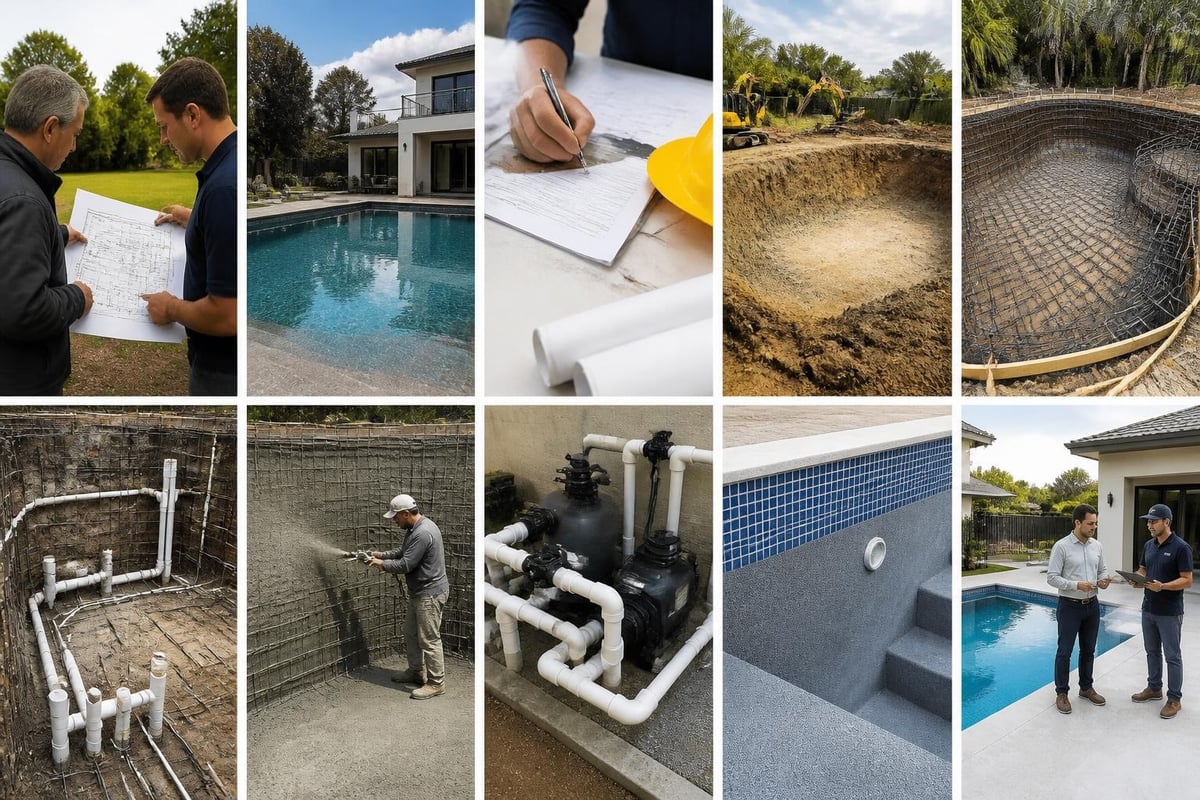
Understanding what happens during construction helps you evaluate whether local pool installers truly comprehend the scope of work involved. A professional installation follows a structured sequence that typically spans eight to twelve weeks, depending on design complexity and municipal approval timelines.
Design and Engineering Phase
Quality installers begin with thorough site evaluation, not generic templates. They assess soil conditions, drainage patterns, utility locations, setback requirements, and access constraints before proposing a design. This phase should include detailed drawings that specify dimensions, depths, equipment locations, and finish materials.
Engineering calculations determine steel reinforcement requirements, hydraulic sizing for pumps and filters, and structural details that ensure the shell withstands soil pressure and water loads. Many municipalities require stamped engineering drawings before issuing permits.
Permitting and Approvals
Local pool installers familiar with your municipality navigate the permitting process efficiently. They understand which departments review plans, what corrections inspectors commonly require, and how to schedule inspections without delays.
| Permit Type | Reviewing Department | Typical Timeline |
|---|---|---|
| Building Permit | Building & Safety | 2-4 weeks |
| Electrical Permit | Electrical Division | 1-2 weeks |
| Plumbing Permit | Plumbing Division | 1-2 weeks |
| Grading Permit | Public Works (if needed) | 2-6 weeks |
Experienced contractors build permit processing time into their project schedules and maintain relationships with plan reviewers that facilitate smoother approvals. When installers lack local experience, permit delays often extend your timeline by months.
Excavation and Steel Installation
Proper excavation respects property lines, avoids utility strikes, and creates a foundation that matches engineered specifications. Professional crews use survey markers to position the shell correctly and maintain precise depths throughout the dig.
Steel reinforcement follows engineering plans that specify bar sizes, spacing, and tie patterns. This skeleton provides the tensile strength that prevents cracking as the ground shifts and settles. Reputable local pool installers schedule rebar inspections before proceeding to shell application, allowing inspectors to verify compliance before the steel gets covered.
Evaluating Installer Quality Before Signing Contracts
Your research into local pool installers should extend well beyond online reviews and initial price quotes. Professional contractors welcome scrutiny and provide documentation that demonstrates their capability and track record.
Portfolio and Reference Review
Examine completed projects that match your desired style, size, and features. Quality installers maintain photo galleries showing projects from excavation through completion, not just glamour shots of finished pools. Visit job sites in progress when possible to observe crew professionalism, site cleanliness, and organizational practices.
Contact multiple references and ask specific questions:
- Did the installer communicate clearly about timeline changes?
- How did they handle unexpected site conditions or needed modifications?
- Did final costs match initial estimates, and were any changes documented?
- How quickly did they address punch-list items after completion?
- Would you hire them again for another project?
Estimate Transparency and Detail
Professional estimates itemize costs by phase and component rather than providing a single lump sum. Detailed breakdowns let you understand where your money goes and make informed decisions about upgrades or modifications.
A comprehensive estimate should specify:
- Excavation volume and disposal costs
- Steel tonnage and reinforcement schedule
- Shell thickness and shotcrete specifications
- Equipment brands, models, and efficiency ratings
- Finish materials with manufacturer and color selections
- Electrical and plumbing rough-in scope
- Decking square footage and material type
- Permit fees and inspection costs
- Project timeline with key milestones
When comparing local pool installers, resist the temptation to automatically select the lowest bid. Significantly lower prices often signal inferior materials, unlicensed subcontractors, or incomplete scope that leads to change orders later.
Technology and Equipment Selection
Modern pool installations incorporate sophisticated equipment that dramatically impacts your long-term operating costs and environmental footprint. Knowledgeable local pool installers guide you toward systems that balance upfront investment with lifecycle savings.
Energy-Efficient Pumps and Automation
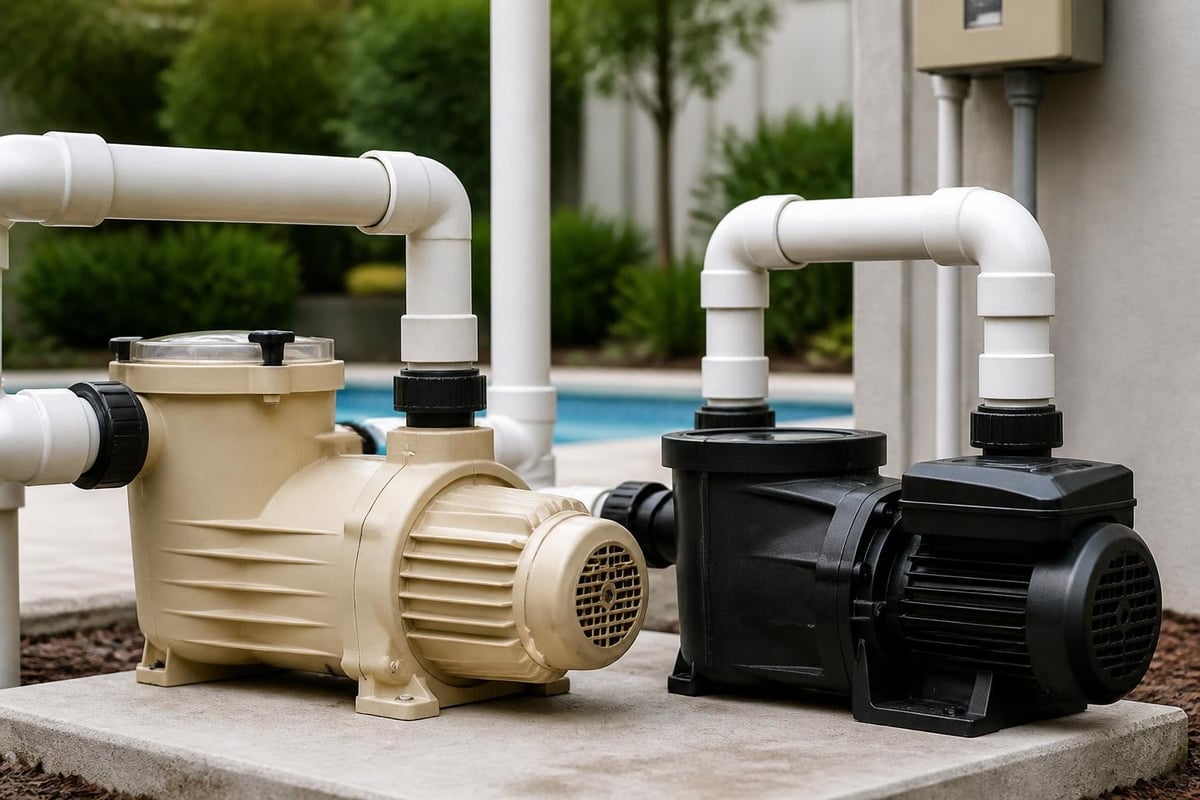
Variable-speed pumps have largely replaced single-speed models in new construction. The U.S. Department of Energy now mandates minimum efficiency standards for dedicated-purpose pool pump motors, and many utilities offer rebates for ENERGY STAR certified equipment. Quality installers factor these requirements into equipment specifications from the start.
Automation systems let you control pumps, heaters, lighting, and water features from smartphone apps. Professional installers integrate these systems properly so that automated schedules optimize equipment runtime, reducing energy consumption while maintaining water quality.
Filtration and Sanitization Systems
Filter selection depends on your maintenance preferences and water chemistry goals. Installers should explain the tradeoffs between sand, cartridge, and diatomaceous earth systems rather than defaulting to a single option for every project.
Similarly, sanitization options now extend beyond traditional chlorine to include salt systems, UV sterilization, and ozone generators. Each approach carries different equipment costs, ongoing chemical expenses, and maintenance requirements that installers should quantify during planning.
Site-Specific Challenges That Test Installer Expertise
Los Angeles backyard conditions often present obstacles that separate experienced local pool installers from inexperienced crews. Properties built on hillsides, lots with limited access, areas with high water tables, or sites with restrictive soil conditions require adaptive problem-solving and technical knowledge.
Access Constraints
Narrow side yards, overhead power lines, mature trees, and fenced properties complicate material delivery and equipment mobilization. Professional installers survey access paths during initial consultation and plan accordingly. They know when to specify smaller excavation equipment, arrange crane services, or hand-carry materials to avoid property damage.
Some installations require temporary fence removal, tree protection measures, or coordination with neighbors for equipment staging. Experienced contractors address these logistics upfront rather than discovering problems after work begins.
Soil and Drainage Conditions
Southern California soils range from sandy loam to expansive clay, each requiring different engineering approaches. Local pool installers who regularly work in your area understand regional soil characteristics and design accordingly.
Properties with high water tables or poor drainage may need dewatering systems during construction or permanent drainage solutions after completion. Professional installers identify these conditions during site evaluation and incorporate necessary measures into project budgets and timelines. When contractors handle in-ground pool construction, they account for soil reports, drainage engineering, and water table management as standard practice.
Compliance with Safety and Accessibility Standards
Building codes mandate numerous safety features designed to prevent accidents, particularly for homes with children. Professional local pool installers incorporate these requirements automatically rather than treating them as optional upgrades.
Barrier Requirements
California law requires barrier protection that restricts unsupervised access by children under five years old. Acceptable barriers include property fencing with self-closing, self-latching gates; pool safety covers rated for appropriate loads; or door alarms when the pool is accessible from the residence.
Installers must understand these requirements in detail because barrier specifications affect property layout, gate locations, and finish selections. They should discuss options during design and verify compliance before final inspection.
Accessibility Considerations
Public and commercial pools must meet ADA accessibility requirements for entry and exit. While private residential pools are exempt from these federal standards, many homeowners choose to incorporate accessible features for aging-in-place planning or family members with mobility limitations.
Features like tanning ledges, beach entries, and properly designed steps improve accessibility while adding aesthetic and functional value. Experienced installers can integrate these elements seamlessly into your design.
Material Selection and Finish Options
The visible finishes you select significantly impact your pool's appearance, maintenance requirements, and longevity. Local pool installers should present options across multiple quality tiers with honest assessments of each material's characteristics.
Interior Finish Materials
| Finish Type | Lifespan | Maintenance | Aesthetic Options | Price Range |
|---|---|---|---|---|
| Plaster | 7-12 years | Moderate | Limited colors | $ |
| Aggregate | 12-18 years | Low | Varied textures, colors | $$ |
| Pebble | 15-20 years | Very low | Natural appearance | $$$ |
| Tile | 25+ years | Low | Unlimited custom | $$$$ |
Professional installers explain how finish selection affects water chemistry, surface texture, and cleaning procedures. They also coordinate finish application timing to ensure proper curing and startup procedures.
Decking and Hardscape Integration
The area surrounding your pool receives as much use as the water itself. Hardscape & Landscape coordination ensures your pool deck complements your overall landscape design while providing safe, slip-resistant surfaces.
Options range from poured concrete and stamped concrete to natural stone and pavers. Each material offers different aesthetics, heat retention characteristics, and maintenance profiles. Quality local pool installers help you select materials that match your usage patterns, climate exposure, and design preferences.
Cost Factors and Budget Planning
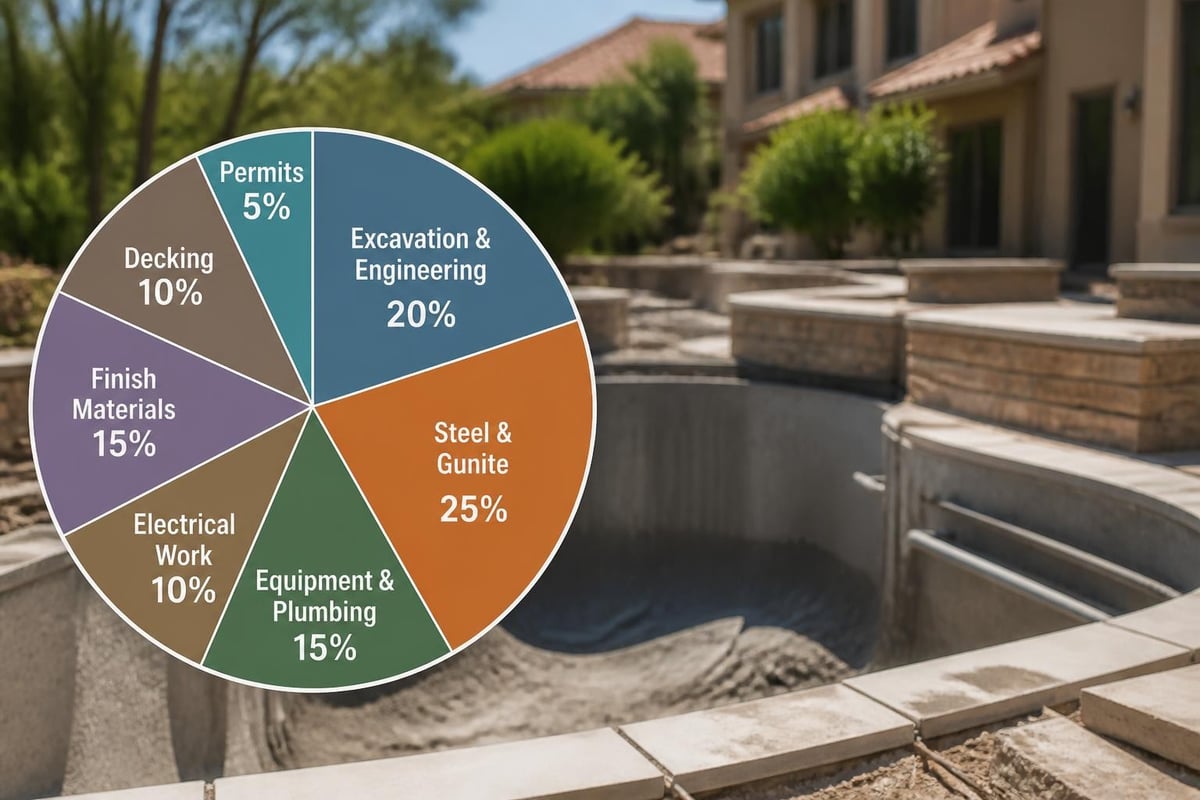
Pool installation costs vary dramatically based on size, features, site conditions, and finish selections. Understanding the factors that drive pricing helps you establish realistic budgets and evaluate whether estimates align with industry norms.
Base Construction Costs
A basic gunite pool without spa or water features typically ranges from $50,000 to $80,000 in Los Angeles for a standard rectangular design measuring 300-400 square feet. Organic shapes, increased size, attached spas, and challenging site conditions increase base costs proportionally.
Professional local pool installers provide estimates that separate base construction from optional features, letting you make informed decisions about where to invest your budget.
Feature and Upgrade Pricing
Common upgrades and their typical cost impacts include:
- Attached spa: $8,000-$15,000 additional
- Water features (spillways, waterfalls): $3,000-$12,000
- Fire features (bowls, pit surrounds): $2,000-$8,000
- LED lighting systems: $1,500-$5,000
- Automation and remote control: $1,200-$3,500
- Premium finish materials: $4,000-$15,000 over base plaster
- Salt system: $1,200-$2,500
- Heater (gas or heat pump): $3,500-$7,000
Experienced installers help you prioritize upgrades based on how you'll use the pool and which features deliver the greatest value for your lifestyle.
Timeline Expectations and Project Management
Understanding realistic construction timelines prevents frustration and helps you plan around the disruption that pool installation brings to your property. Professional local pool installers provide detailed schedules that account for weather, inspections, and material lead times.
Typical Phase Durations
- Design and permitting: 3-8 weeks
- Excavation and steel: 1 week
- Plumbing and electrical rough-in: 3-5 days
- Gunite/shotcrete application: 1 day
- Cure time: 28 days minimum
- Tile and finish work: 1-2 weeks
- Equipment installation and decking: 1-2 weeks
- Fill, startup, and final inspection: 3-5 days
Weather delays, permit revision requirements, and material backorders can extend these timelines. Quality contractors build contingency into their schedules and communicate proactively when delays occur.
Communication and Updates
Professional installers establish clear communication protocols from project start. They designate a primary contact person, specify how often you'll receive updates, and outline the decision-making process for field changes or unforeseen conditions.
Expect regular photo updates, scheduled site meetings at key milestones, and written documentation of any modifications to scope or cost. Contractors who maintain organized general construction practices typically extend that professionalism to communication and project documentation.
Insurance and Warranty Protection
The contracts you sign with local pool installers should clearly specify insurance coverage and warranty terms that protect your investment. Understanding these protections before work begins prevents disputes later.
Construction Insurance
Verify that your installer carries:
- General liability insurance covering property damage and injury during construction
- Workers' compensation protecting you from liability if crew members are injured on your property
- Builder's risk insurance covering the project itself during construction
- Performance bonds guaranteeing project completion even if the contractor defaults
Request certificates of insurance directly from the carrier, not copies provided by the contractor. Confirm that coverage amounts meet or exceed your project value.
Warranty Coverage
Standard warranties typically include:
- Structural warranty: 10 years on gunite shell
- Equipment warranty: 1-3 years on pumps, filters, heaters (manufacturer warranties)
- Finish warranty: 1-3 years on plaster/aggregate depending on material
- Workmanship warranty: 1-2 years on installation labor
Read warranty terms carefully to understand what triggers coverage, what exclusions apply, and what maintenance requirements you must meet to keep warranties valid. Professional installers provide written warranty documentation at project completion.
Red Flags to Avoid When Selecting Installers
Certain warning signs during your research should prompt you to continue your search for local pool installers. These red flags often indicate inexperience, financial instability, or unethical business practices.
Avoid contractors who:
- Request large upfront deposits (more than 10% or $1,000, whichever is less, per California law)
- Cannot provide current license and insurance verification
- Offer prices significantly below other estimates without clear explanation
- Pressure you to sign contracts immediately with "special pricing"
- Refuse to provide references or show work in progress
- Lack familiarity with local permitting requirements
- Provide vague estimates without itemized breakdowns
- Suggest shortcuts around permits or inspections
Trust your instincts when something feels wrong. Professional contractors earn your business through transparency, documentation, and demonstrated expertise, not high-pressure sales tactics.
Seasonal Considerations and Optimal Timing
While Los Angeles weather permits year-round construction, strategic timing can optimize your project experience and potentially reduce costs. Understanding seasonal patterns helps you make informed scheduling decisions.
Weather and Soil Conditions
Winter and early spring bring increased rainfall that can complicate excavation and delay shotcrete application. Wet soil conditions make sites muddy, hinder equipment access, and extend cure times for concrete work.
Summer and fall typically offer drier conditions that facilitate faster construction and reduce weather-related delays. However, these seasons also bring peak demand for local pool installers, potentially extending permit and scheduling timelines.
Demand and Pricing Cycles
Construction activity peaks from March through August as homeowners target summer completion. This demand can lead to longer lead times for both contractors and materials.
Late fall and winter often bring reduced demand, potentially yielding more flexible scheduling and greater installer availability. Some contractors offer modest pricing incentives during slower seasons, though this varies by market conditions and individual business practices.
Maintenance Planning and Operational Training
Professional local pool installers don't just build the pool and disappear. They provide thorough operational training and maintenance guidance that ensures your investment performs as designed.
Startup and Balancing
The initial water fill and chemical balancing require careful attention to avoid damaging new finishes. Quality installers either perform this startup themselves or provide detailed written procedures that specify:
- Proper filling techniques to avoid finish damage
- Initial chemical dosing and balancing targets
- Equipment startup sequence and settings
- Filter backwashing and cleaning schedules
- When to begin regular use
They also explain how to operate all equipment, interpret chemical test results, and recognize signs that require professional service.
Chemical Safety and Handling
Pool maintenance involves potentially hazardous chemicals that require proper storage, handling, and disposal. Installers should review OSHA hazard communication requirements and provide guidance on safe chemical management practices for homeowners.
This training should cover proper storage locations away from equipment and living areas, compatibility issues that prevent certain chemicals from being mixed, and emergency procedures if spills or exposure occurs.
Working Directly with Owner-Operated Installers
Family-owned, owner-operated pool companies often deliver advantages over large corporate installers. When the owner remains directly involved throughout your project, accountability increases and communication improves.
Benefits of Direct Owner Involvement
Owner-operated local pool installers typically provide:
- Consistent quality control as the owner oversees critical phases personally
- Faster decision-making without corporate approval chains
- Long-term accountability since the owner's reputation depends on every project
- Flexibility to accommodate reasonable modifications or preferences
- Clear communication with a single point of contact throughout construction
Companies like AM BUILDS CA exemplify this model, connecting homeowners directly with the owner who manages design, permits, and construction from start to finish.
Local Knowledge and Relationships
Installers who focus on specific geographic areas develop deep familiarity with local building departments, utility providers, soil conditions, and subcontractor networks. This expertise translates to smoother permitting, fewer surprises during construction, and faster problem resolution when challenges arise.
They also maintain relationships with inspectors, engineers, and suppliers that facilitate coordination and reduce delays. When evaluating local pool installers, prioritize those with demonstrated experience in your specific municipality or neighborhood.
Post-Construction Considerations and Optimization
The relationship with your installer shouldn't end when the final inspection passes. Professional contractors remain available for questions, minor adjustments, and guidance as you learn your pool's operation and maintenance requirements.
First-Season Support
The initial months of pool ownership involve learning curve as you establish maintenance routines, optimize equipment settings, and adjust to seasonal changes. Quality local pool installers provide support during this period through:
- Follow-up visits to verify proper operation
- Troubleshooting assistance for equipment or water quality questions
- Guidance on seasonal adjustments for heating, circulation, and chemical dosing
- Recommendations for ongoing maintenance service if desired
Equipment Upgrades and Modifications
As technology improves and your preferences evolve, you may want to add automation, upgrade lighting, or enhance water features. Working with your original installer for these modifications ensures compatibility with existing systems and maintains warranty coverage where applicable.
Professional installers document your equipment specifications, plumbing layouts, and electrical configurations, making future work more straightforward and preventing costly mistakes by contractors unfamiliar with your installation.
Selecting qualified local pool installers requires careful research, detailed comparisons, and thorough verification of credentials and experience. The contractors you choose will shape your backyard enjoyment for decades, making this decision worthy of significant time and attention. When you're ready to explore custom pool construction in Los Angeles with transparent pricing, direct owner communication, and detail-driven craftsmanship backed by fifteen years of experience, AM BUILDS CA offers free, no-obligation estimates at (424) 485-4548.


