


Understanding inground pool prices installed requires homeowners to look beyond simple sticker prices and consider the full scope of construction, permitting, materials, and site-specific factors. In 2026, the Los Angeles market continues to show strong demand for custom pools, with installed costs ranging from $50,000 for basic vinyl liner pools to well over $150,000 for premium gunite designs with integrated spas and luxury features. Whether you're planning your first backyard oasis or replacing an aging above-ground pool, this comprehensive guide breaks down everything that influences your final investment, helping you budget accurately and make informed decisions about materials, features, and contractors.
Material Choices Drive Installation Costs
The three primary inground pool types-gunite, vinyl liner, and fiberglass-each carry distinct price points and installation timelines that significantly impact your total investment.
Gunite (Shotcrete) Pools
Gunite pools represent the most popular choice in Southern California, offering unlimited customization in shape, depth, and features. Inground pool prices installed for gunite typically range from $75,000 to $150,000+ depending on size and complexity.
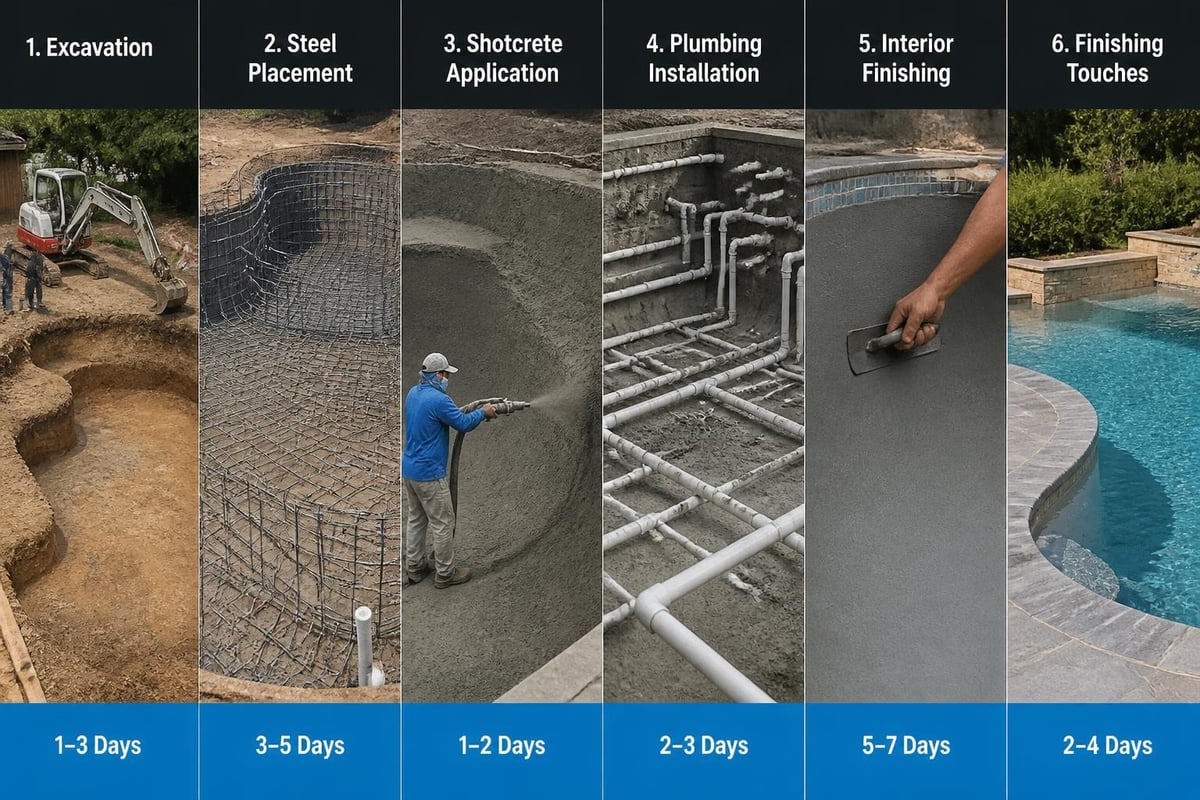
These concrete pools require the most extensive construction process:
- Excavation and grading ($5,000-$12,000)
- Steel rebar framework ($8,000-$15,000)
- Shotcrete application ($20,000-$35,000)
- Plumbing and electrical systems ($12,000-$18,000)
- Interior finish (plaster, pebble, or tile) ($8,000-$25,000)
- Decking and coping ($15,000-$40,000)
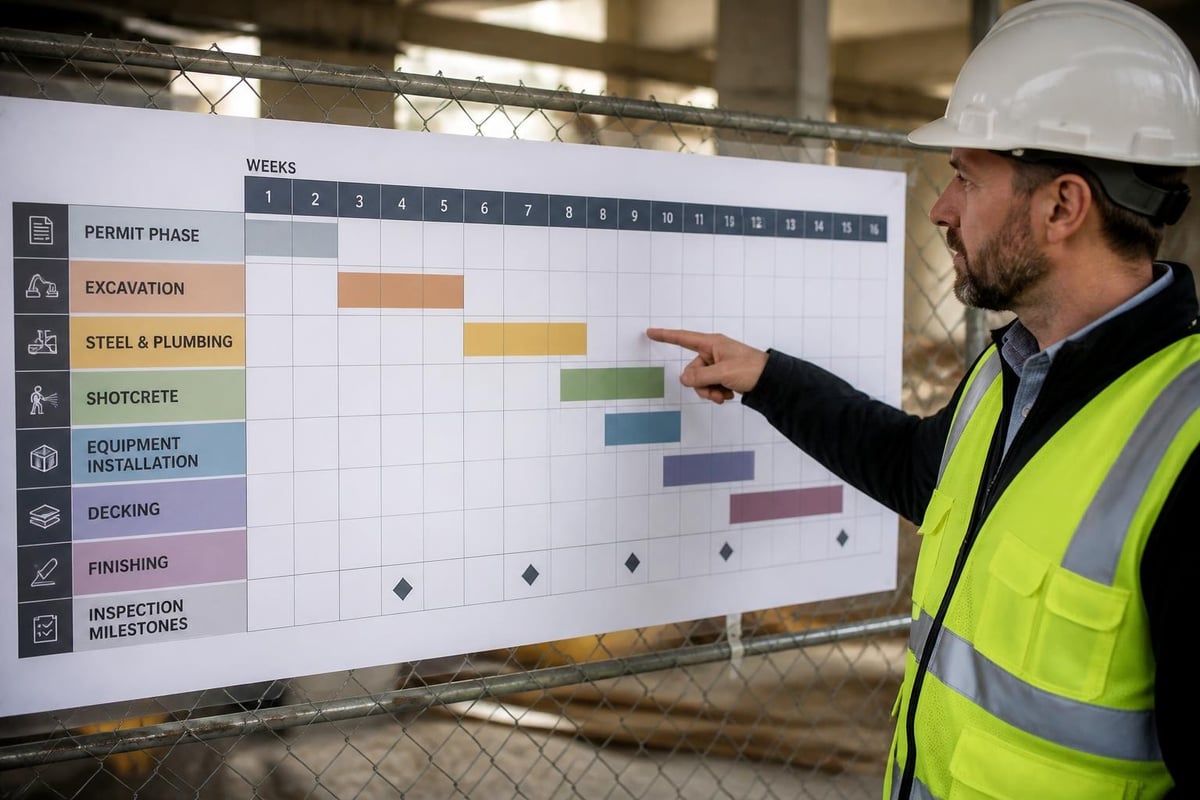
The construction timeline extends 10-16 weeks from permit to completion, but the result is a fully custom pool built to last 50+ years with proper maintenance.
Vinyl Liner Pools
Vinyl liner options deliver the most budget-friendly entry point, with installed prices ranging from $50,000 to $85,000 for standard rectangular designs. The polymer wall panels install quickly, reducing labor costs significantly.
| Cost Component | Vinyl Pool Range |
|---|---|
| Base structure | $25,000-$35,000 |
| Liner material | $4,000-$8,000 |
| Equipment | $8,000-$12,000 |
| Decking | $12,000-$25,000 |
| Total Installed | $50,000-$85,000 |
Keep in mind that vinyl liners require replacement every 7-12 years at $4,000-$8,000 per replacement, adding to long-term ownership costs.
Fiberglass Pool Shells
Pre-manufactured fiberglass shells offer the fastest installation, often completing in 3-5 weeks. Inground pool prices installed for fiberglass range from $60,000 to $110,000, with limited size options (typically under 16×40 feet due to transportation constraints).
The one-piece shell eliminates many construction steps, but homeowners sacrifice design flexibility and must work within manufacturer mold selections.
Size and Depth Specifications
Pool dimensions dramatically influence excavation volume, material quantities, and total installed cost. Understanding these relationships helps you right-size your project for both your yard and your budget.
Standard size tiers and typical pricing:
- Small pools (10×20 to 12×24 feet): $50,000-$75,000 installed
- Medium pools (14×28 to 16×32 feet): $75,000-$110,000 installed
- Large pools (18×36 to 20×40 feet): $110,000-$160,000+ installed
Depth adds complexity and cost. A standard 3.5-4.5 foot shallow end transitioning to 6 feet costs significantly less than adding an 8-foot deep end for diving, which requires additional engineering, steel reinforcement, and safety compliance under the 2024 International Swimming Pool & Spa Code.
Each additional foot of average depth adds approximately $8,000-$15,000 to your total installed price due to increased excavation, structural reinforcement, water volume, and finishing materials.
Site Conditions and Access Challenges
Your property's unique characteristics create cost variables that can swing inground pool prices installed by $20,000 or more. Before finalizing your budget, assess these critical factors:
Soil and Terrain Issues
Rocky soil requires hydraulic hammers or even controlled blasting, adding $5,000-$15,000 in specialized excavation. High water tables necessitate drainage systems and sump pumps. Slopes demand extensive grading, retaining walls, and engineered drainage solutions.
California's varied geology means soil tests and engineering reports aren't optional-they're essential for accurate bidding and permit approval.
Equipment Access
Standard excavation equipment needs at least 8 feet of clearance width. Properties with narrow side yards, mature landscaping, or restrictive HOA rules may require:
- Hand-digging portions ($8,000-$20,000 additional)
- Crane services to lift equipment over homes ($3,000-$8,000)
- Bobcat or mini-excavator rental at slower progress rates
- Temporary fence panel removal and replacement
Utility Relocation
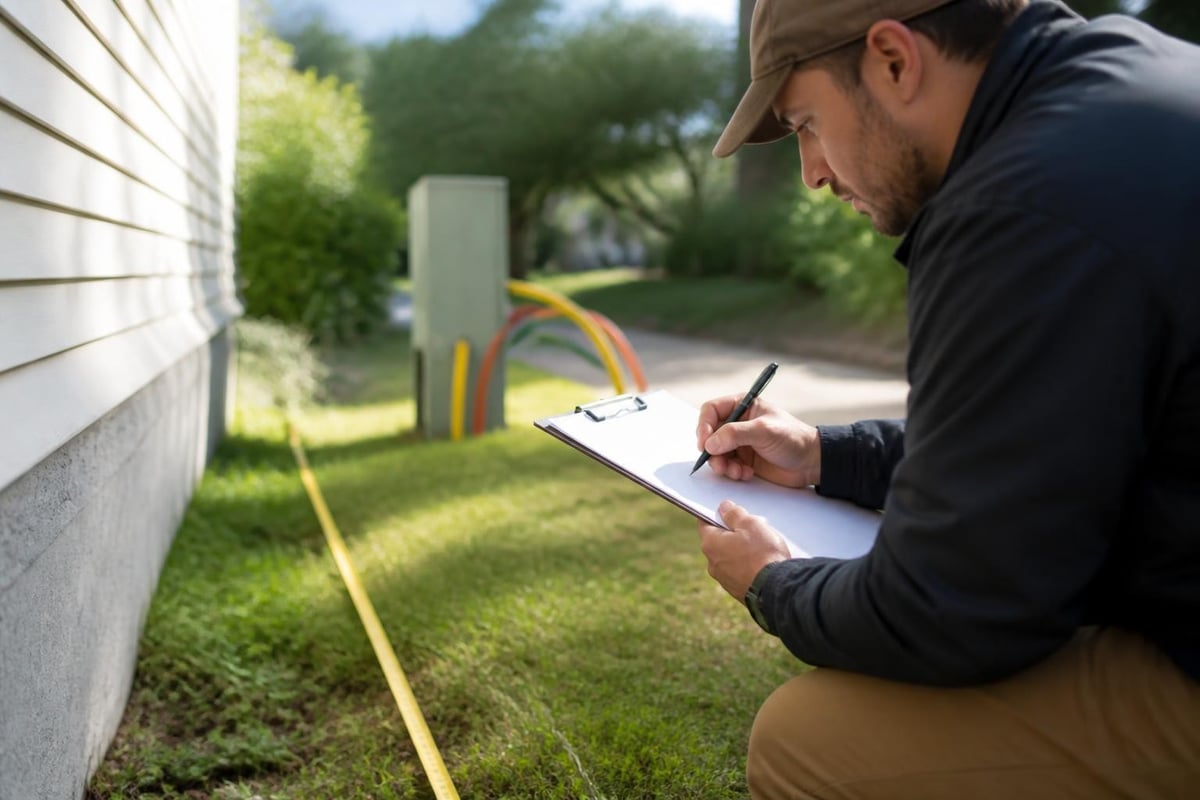
Existing gas lines, electrical conduits, irrigation systems, and septic fields often run through ideal pool locations. Relocation costs vary dramatically:
| Utility Type | Typical Relocation Cost |
|---|---|
| Irrigation lines | $1,500-$3,500 |
| Electrical service | $2,500-$6,000 |
| Gas lines | $3,000-$8,000 |
| Septic systems | $15,000-$35,000 |
Professional pool contractors coordinate utility locating and work with licensed specialists for safe, code-compliant relocations.
Permit, Engineering, and Code Compliance
Los Angeles County and city jurisdictions enforce strict pool construction standards that add necessary costs to your project. These aren't optional expenses-they're legal requirements that protect your safety and property value.
Required permit packages typically include:
- Building permit fees ($1,200-$2,500)
- Structural engineering plans ($2,000-$4,500)
- Electrical permit and inspection ($800-$1,500)
- Plumbing permit and inspection ($600-$1,200)
- Final health and safety inspection ($400-$800)
Total permitting costs average $5,000-$10,000 for standard residential pools, with larger or more complex designs requiring additional engineering review.
Working with a licensed pool contractor who manages the entire permit process eliminates delays and ensures compliance with local amendments to building codes.
Equipment and Filtration Systems
Modern pool equipment represents 15-20% of your total installed cost, but choosing quality components reduces long-term operating expenses and maintenance headaches.
Essential Equipment Components
Every inground pool requires these core systems:
- Pump and motor: $1,200-$3,500 (variable-speed models required in California)
- Filter system: $800-$2,500 (sand, cartridge, or DE options)
- Heater: $2,500-$6,000 (gas) or $3,500-$8,000 (heat pump)
- Automation system: $1,500-$4,000 (controls, timers, app connectivity)
- Sanitization: $600-$2,500 (chlorinator, salt system, or UV)
Variable-speed pumps cost more upfront but deliver substantial energy savings. The Department of Energy’s new efficiency standards mandate high-efficiency motors that can reduce annual operating costs by $300-$600 compared to older single-speed models.
Premium Upgrades
Homeowners frequently add these optional systems during construction:
- Salt water chlorination ($1,500-$3,000): Gentler on skin, reduces chemical handling
- LED color lighting ($1,200-$3,500): Energy-efficient ambiance and safety
- Automatic pool covers ($8,000-$15,000): Safety, heat retention, debris protection
- Smart controls ($2,000-$5,000): Remote monitoring, scheduling, diagnostics
Installing these features during initial construction costs significantly less than retrofitting later, making the upfront investment worthwhile for most homeowners planning long-term ownership.
Water Features and Aesthetic Elements
Decorative features transform basic pools into custom outdoor living spaces, with costs ranging from modest to substantial depending on complexity and materials.
Popular water feature pricing:
- Deck jets and bubblers: $800-$2,000 per jet
- Sheer descent waterfalls: $2,500-$6,000 each
- Rock waterfalls and grottos: $8,000-$35,000+
- Fire bowls and fire features: $2,000-$8,000 each
- Tanning ledges (Baja shelves): $4,000-$12,000
These elements integrate most cost-effectively during initial construction when plumbing, electrical, and structural work is already underway. Retrofitting a waterfall to an existing pool can double the installation cost due to deck demolition and replumbing requirements.
Decking and Surrounding Hardscape
The pool deck represents crucial functional space and a significant portion of inground pool prices installed, typically accounting for $15,000-$50,000 of your total investment.
Material Options and Costs
| Decking Material | Cost per Sq Ft Installed | Pros | Cons |
|---|---|---|---|
| Concrete (brushed) | $8-$12 | Affordable, durable | Can crack, limited aesthetics |
| Stamped concrete | $12-$18 | Texture variety, good value | Shows wear patterns |
| Pavers (concrete) | $15-$22 | Repairable, diverse designs | Can shift without proper base |
| Travertine pavers | $20-$35 | Cool surface, natural beauty | Higher maintenance |
| Natural stone | $25-$45 | Premium appearance, unique | Most expensive, variation |
California homeowners increasingly choose permeable paver systems that manage runoff and comply with stormwater regulations while providing hardscape flexibility for future modifications.
Standard deck width runs 4-6 feet around the pool perimeter. Expanding to 8-12 feet for furniture and entertaining adds $8,000-$20,000 but dramatically improves functionality and resale appeal.
Labor, Timeline, and Contractor Selection
Professional installation labor represents 40-50% of total inground pool prices installed, making contractor selection one of your most important decisions.
Construction timeline by pool type:
- Gunite pools: 10-16 weeks from permit to swim-ready
- Vinyl liner: 6-10 weeks including deck installation
- Fiberglass: 3-5 weeks with favorable conditions
Delays commonly occur during permitting (2-4 weeks), utility coordination, weather events, and material delivery. Experienced contractors build buffer time into schedules and communicate proactively about changes.
Evaluating Contractor Bids
Quality contractors provide detailed, itemized proposals that break down:
- Materials specifications by brand and model
- Labor hours and crew composition
- Permit and engineering costs
- Equipment packages with warranty terms
- Payment schedule tied to completion milestones
- Timeline with weather contingencies
Beware of bids significantly below market averages-they often indicate shortcuts, unlicensed subcontractors, or change order traps that inflate final costs beyond higher initial bids from reputable builders.
Regional Cost Variations Within Los Angeles
Inground pool prices installed fluctuate across Los Angeles County based on local permit requirements, labor availability, and property characteristics.
Typical regional variations:
- Coastal areas (Pacific Palisades, Manhattan Beach): 15-25% premium due to coastal commission requirements, soil conditions, and high cost of labor
- Valley communities (Sherman Oaks, Encino): Baseline market rates with good access and established contractor networks
- Foothill regions (Pasadena, La Cañada): 10-15% premium for hillside engineering and access challenges
- South Bay (Torrance, Redondo Beach): Moderate coastal premiums with varied soil conditions
Understanding your specific area's cost drivers helps you evaluate whether quotes align with local market realities. For example, pool construction in Pacific Palisades faces unique coastal zone permitting that doesn't apply to inland valley projects.
Integrated Spas and Combination Features
Attached spas add $15,000-$35,000 to base pool costs but provide year-round enjoyment and strong resale appeal in the Los Angeles market.
Spa integration options:
- Spillover spa: Water flows into pool, shared filtration ($18,000-$28,000)
- Independent spa: Separate heating and controls, higher operating flexibility ($22,000-$35,000)
- Raised spa: Elevated walls create visual interest, waterfall effect ($20,000-$32,000)
Sizing matters for function and cost. Standard 6-person spas (7×7 feet) suit most families, while 8-person models (8×8 feet) add $3,000-$6,000 in additional construction and equipment costs.
Building the spa during initial pool construction costs 30-40% less than adding one later, making it a smart investment if your budget allows.
Long-Term Operating and Maintenance Costs
Beyond installation, budget for ongoing expenses that affect total ownership cost over your pool's lifetime.
Annual operating costs typically include:
- Electricity (pump, heater, lights): $800-$2,400
- Water (fill, evaporation replacement): $300-$600
- Chemicals and testing supplies: $400-$800
- Professional maintenance service: $1,200-$3,600
- Equipment repairs and part replacement: $200-$800
Variable-speed pumps, solar heating, and automation systems reduce these expenses significantly. Heat pumps cost more initially but operate at one-third the cost of gas heaters, potentially saving $500-$1,200 annually on a regularly heated pool.
Pool Value and Return on Investment
The National Association of REALTORS’ 2025 Remodeling Impact Report shows outdoor projects, including pools, deliver strong lifestyle value but modest financial returns in most markets.
ROI considerations for Los Angeles pools:
- Typical value recovery: 40-60% of installation cost
- Higher recovery in premium zip codes with pool saturation
- Strongest appeal in homes over $800,000
- Climate advantage: Year-round usability in Southern California
Pools function as lifestyle amenities rather than pure financial investments. The real return comes from daily enjoyment, family memories, and entertainment value over 20-30 years of ownership.
Tax implications matter too. The IRS treats pools as capital improvements that increase your home's cost basis, potentially reducing capital gains tax when you sell, though most homeowners fall well below the $250,000/$500,000 exclusion limits.
Hidden Costs and Budget Contingencies
Experienced homeowners budget 10-15% above quoted inground pool prices installed for unexpected costs that emerge during construction.
Common additional expenses:
- Underground obstacles (old foundations, utility conflicts): $2,000-$8,000
- Soil hauling and disposal: $1,500-$4,000
- Landscape restoration and replanting: $3,000-$8,000
- Fencing and safety barriers required by code: $2,500-$8,000
- Furniture, umbrellas, and pool accessories: $2,000-$10,000
Cities enforcing ANSI/PHTA pool standards require specific barrier heights, gate latches, and alarm systems that add $3,000-$6,000 to projects where existing fencing doesn't meet current codes.
Financing Options for Pool Projects
Most homeowners finance major pool installations through one of several common methods, each with distinct advantages and qualification requirements.
Primary financing vehicles:
- Home equity loans: Fixed rates, predictable payments, interest potentially tax-deductible
- HELOC: Flexible draw schedule matches construction payments, variable rates
- Cash-out refinance: Consolidates pool cost into mortgage, extends repayment
- Personal loans: No home equity required, faster approval, higher rates
- Contractor financing: Convenient but often higher rates than bank products
Interest rates in 2026 vary by credit quality and loan type, typically ranging from 6% to 11% for qualified borrowers. Running the numbers shows that financing $100,000 at 7% over 15 years costs approximately $900 monthly with $62,000 in total interest paid.
Warranty Coverage and Contractor Guarantees
Comprehensive warranty protection on inground pool prices installed provides peace of mind and protects your investment from construction defects and equipment failures.
Standard warranty structure:
| Component | Typical Coverage Period |
|---|---|
| Structural (gunite) | 10-25 years |
| Plumbing and equipment | 1-3 years parts, 1 year labor |
| Interior finish | 1-3 years (varies by material) |
| Tile and coping | 1-2 years installation |
| Pool equipment | 1-5 years manufacturer warranty |
Licensed contractors carry general liability insurance and workers' compensation that protects homeowners from injury claims and property damage during construction. Verify active coverage before signing any contract.
Quality builders stand behind their work with clear warranty terms in writing, responsive service departments, and established local reputations spanning multiple years.
Seasonal Timing and Price Fluctuations
While Los Angeles's mild climate permits year-round construction, strategic timing can influence inground pool prices installed and contractor availability.
Fall and winter advantages (October-February):
- Lower contractor demand allows more scheduling flexibility
- More time for thoughtful design and permit processing
- Completion before peak summer swimming season
- Potential price negotiations during slower periods
Spring and summer considerations (March-September):
- Peak demand periods with fully booked schedules
- Faster permit processing in some jurisdictions
- Immediate enjoyment after completion
- Premium pricing and longer wait times common
Weather rarely stops construction in Southern California, though heavy winter rains can delay excavation and concrete work by days or weeks. Most contractors build weather contingencies into realistic timelines.
Understanding the full scope of inground pool prices installed-from material choices and site challenges through permitting, equipment, and long-term operating costs-empowers homeowners to budget accurately and make confident decisions. Whether you're drawn to the unlimited customization of gunite, the speed of fiberglass, or the value of vinyl liner construction, working with experienced professionals ensures your project meets codes, stays on schedule, and delivers the backyard oasis you envision. When you're ready to move from planning to action, AM BUILDS CA brings 15+ years of licensed pool construction expertise to Los Angeles homeowners, handling everything from design and permits through excavation, gunite work, and finishing with transparent pricing and direct owner involvement throughout your project.


