


Choosing an in ground pool contractor represents one of the most consequential decisions homeowners make when adding a backyard pool. The right contractor brings technical expertise, proper licensing, comprehensive insurance, and a track record of delivering quality work on schedule and within budget. The wrong choice can result in structural failures, permit violations, cost overruns, and years of regret. Understanding what separates skilled professionals from inexperienced operators helps property owners make informed decisions that protect their investment and ensure their pool project succeeds from design through completion.
Essential Credentials and Licensing Requirements
Every legitimate in ground pool contractor must hold appropriate state and local licenses before breaking ground. In California, contractors performing pool construction work must carry a valid contractor's license from the Contractors State License Board (CSLB). This license demonstrates that the contractor has met minimum experience requirements, passed comprehensive examinations, and maintains bonding to protect consumers.
Verify these credentials before signing any contract:
- Active state contractor's license (not expired or suspended)
- Workers' compensation insurance for all crew members
- General liability insurance with adequate coverage limits
- Current business license for your municipality
- Bond registration through the appropriate state agency
Homeowners should personally verify license status rather than accepting photocopies. The CSLB website allows instant verification of license numbers, disciplinary actions, and bond status. This simple step prevents engagement with unlicensed operators who may lack the skills, insurance, or accountability to complete quality work.
Insurance Protection and Risk Management
Comprehensive insurance coverage protects homeowners from financial exposure during construction. An in ground pool contractor should carry both workers' compensation and general liability policies with coverage amounts appropriate for the project scope.
| Insurance Type | Minimum Recommended Coverage | What It Protects |
|---|---|---|
| General Liability | $1,000,000 per occurrence | Property damage, third-party injuries |
| Workers' Compensation | State-required minimums | Contractor's employees injured on-site |
| Auto Liability | $500,000 combined | Vehicle accidents during project |
| Umbrella Policy | $1,000,000+ | Additional coverage above primary policies |
Request current certificates of insurance directly from the insurance carrier, not just from the contractor. Policies should remain active throughout the entire construction period, and homeowners should be named as additional insured parties on general liability coverage.

Experience with Gunite and Shotcrete Construction
Pool construction methodology varies significantly across different structure types. The most durable and customizable option remains gunite or shotcrete construction, which requires specialized equipment and experienced crews. An in ground pool contractor specializing in this method should demonstrate extensive experience with steel reinforcement, pneumatic concrete application, and proper curing procedures.
Key gunite construction competencies include:
- Proper excavation depth and slope calculations
- Steel rebar placement following engineering specifications
- Pneumatic concrete application at correct pressures
- Multi-layer application techniques for optimal strength
- Temperature and moisture control during curing
Contractors should provide references from recent gunite pool projects and explain their quality control processes. The difference between average and exceptional shotcrete work becomes apparent years later, when properly constructed pools show no cracking while inferior work develops structural issues. AM Builds Inc. handles every aspect of In-Ground Pool Construction from excavation through final finishes, ensuring structural integrity throughout the build process.
Engineering and Structural Design
Complex pool designs require professional engineering to ensure structural integrity and code compliance. A qualified in ground pool contractor collaborates with licensed engineers to develop plans that account for soil conditions, water table levels, seismic requirements, and load-bearing calculations.
Engineering documentation should include soils reports, structural calculations for pool walls and floors, hydraulic designs for circulation systems, and stamped drawings approved by local building departments. Contractors who skip engineering steps or rely on generic plans risk catastrophic failures and permit rejections.
Permit Navigation and Code Compliance
Building permits represent mandatory requirements for in-ground pool construction in virtually all jurisdictions. An experienced in ground pool contractor manages the entire permitting process, including plan submission, building department review, inspection scheduling, and correction of any deficiencies identified during inspections.
The EPA Construction General Permit requirements apply when excavation disturbs more than one acre or is part of a larger development. Pool contractors must implement erosion control measures and stormwater management practices to prevent sediment runoff during construction.
Required Inspections and Approvals
Pool construction triggers multiple inspection points where building officials verify code compliance before work proceeds to the next phase. Missing inspections or attempting to conceal work can result in demolition orders and legal liability.
Standard inspection sequence:
- Excavation and layout verification
- Steel reinforcement placement before concrete
- Plumbing and electrical rough-in before backfill
- Gunite or shotcrete application and thickness
- Bonding and grounding for electrical safety
- Deck and hardscape installation
- Final inspection before permit closure
Electrical work must comply with NFPA National Electrical Code Article 680, which establishes specific requirements for equipotential bonding, grounding, GFCI protection, and underwater lighting. A knowledgeable in ground pool contractor coordinates licensed electricians and ensures all safety provisions are properly implemented.
Equipment Selection and Energy Efficiency
Pool equipment represents a significant portion of total project costs and determines long-term operational expenses. A responsible in ground pool contractor recommends equipment based on pool size, usage patterns, and energy efficiency rather than simply selecting the lowest-cost options.
The U.S. Department of Energy regulations now mandate variable-speed pumps for new pool installations. These pumps consume up to 75% less energy than single-speed models and often qualify for utility rebates that offset their higher initial cost.
| Equipment Category | Standard Option | Premium Option | Energy Savings |
|---|---|---|---|
| Circulation Pump | Single-speed | Variable-speed | 70-75% |
| Heater | Natural gas | Heat pump | 50-60% |
| Sanitization | Chlorine tablets | Salt chlorinator | 30-40% |
| Lighting | Incandescent | LED | 80-85% |
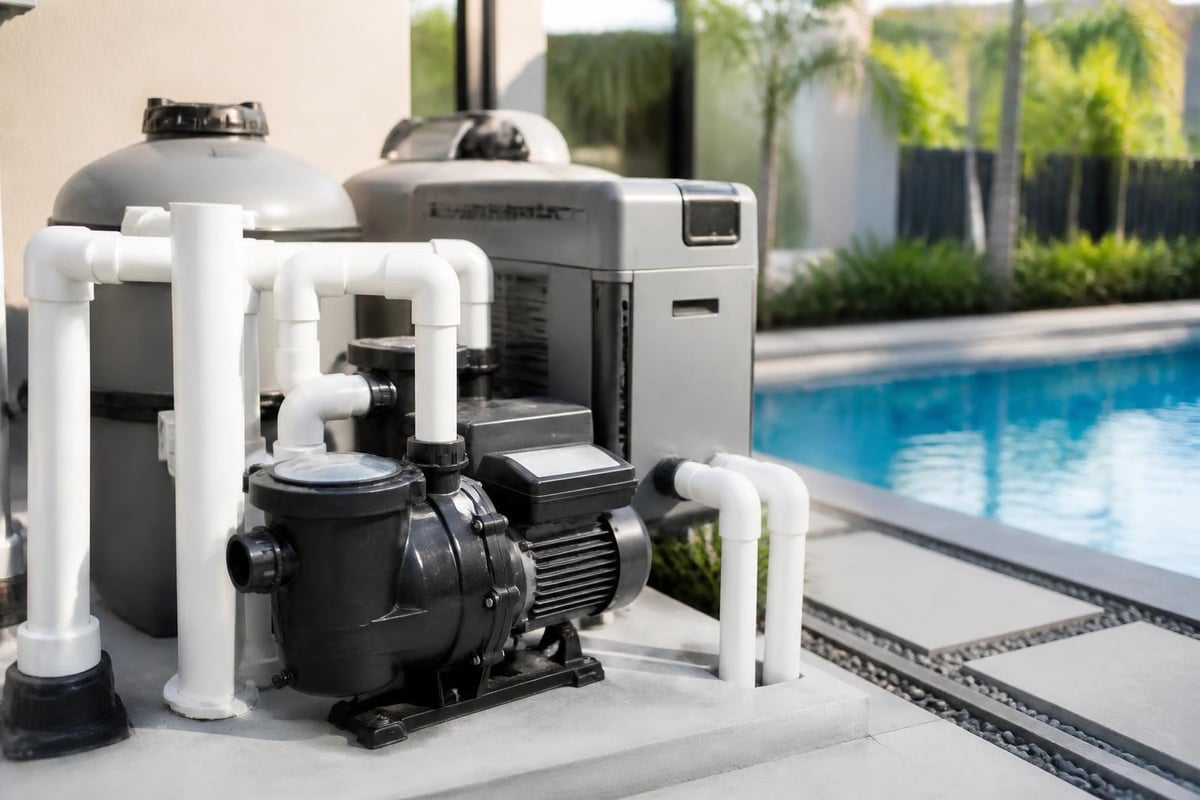
Proper equipment sizing requires hydraulic calculations based on pool volume, plumbing layout, and desired turnover rates. Oversized pumps waste energy, while undersized units fail to maintain proper water quality. The detailed technical requirements published by the Department of Energy help contractors select compliant equipment that balances performance with efficiency.
Transparent Pricing and Contract Terms
A professional in ground pool contractor provides detailed written estimates that itemize all costs rather than offering vague lump-sum prices. Comprehensive quotes allow homeowners to understand exactly what their investment covers and identify potential areas for adjustment.
Essential contract elements include:
- Detailed scope of work with specific materials and brands
- Project timeline with start date and substantial completion deadline
- Payment schedule tied to completion milestones, not arbitrary dates
- Change order procedures with pricing methodology
- Warranty terms for labor and materials
- Procedures for handling unforeseen conditions like rock or poor soil
Avoid contractors who demand large upfront deposits before permits are secured or work begins. Payment structures should align with actual progress, protecting homeowners from contractors who collect money then disappear or abandon projects.
Understanding Total Project Costs
Pool construction costs extend beyond the basic structure to include necessary site preparation, utilities, decking, and landscaping. An honest in ground pool contractor educates clients about these additional expenses during initial consultations rather than revealing them later as "surprises."
Typical cost categories include excavation and disposal of soil, engineering and permit fees, pool structure and interior finish, equipment and automation, decking or patio surfaces, fencing to meet safety codes, landscaping restoration, and utility connections or upgrades. Comprehensive budgets prevent mid-project funding shortfalls that delay completion.
Design Integration and Property Enhancement
Skilled contractors approach pool design as part of overall property planning rather than isolated backyard additions. An experienced in ground pool contractor considers relationships between the pool, home architecture, outdoor living spaces, drainage patterns, and future maintenance access.
Design consultations should address pool size proportional to lot dimensions, shapes that complement home style, shallow areas for children and lounging, integration of spas or water features, equipment location for noise mitigation, and circulation patterns for entertaining. Hardscape and landscape integration creates cohesive outdoor environments where pools function as focal points within broader entertainment zones.
Material Selection for Longevity
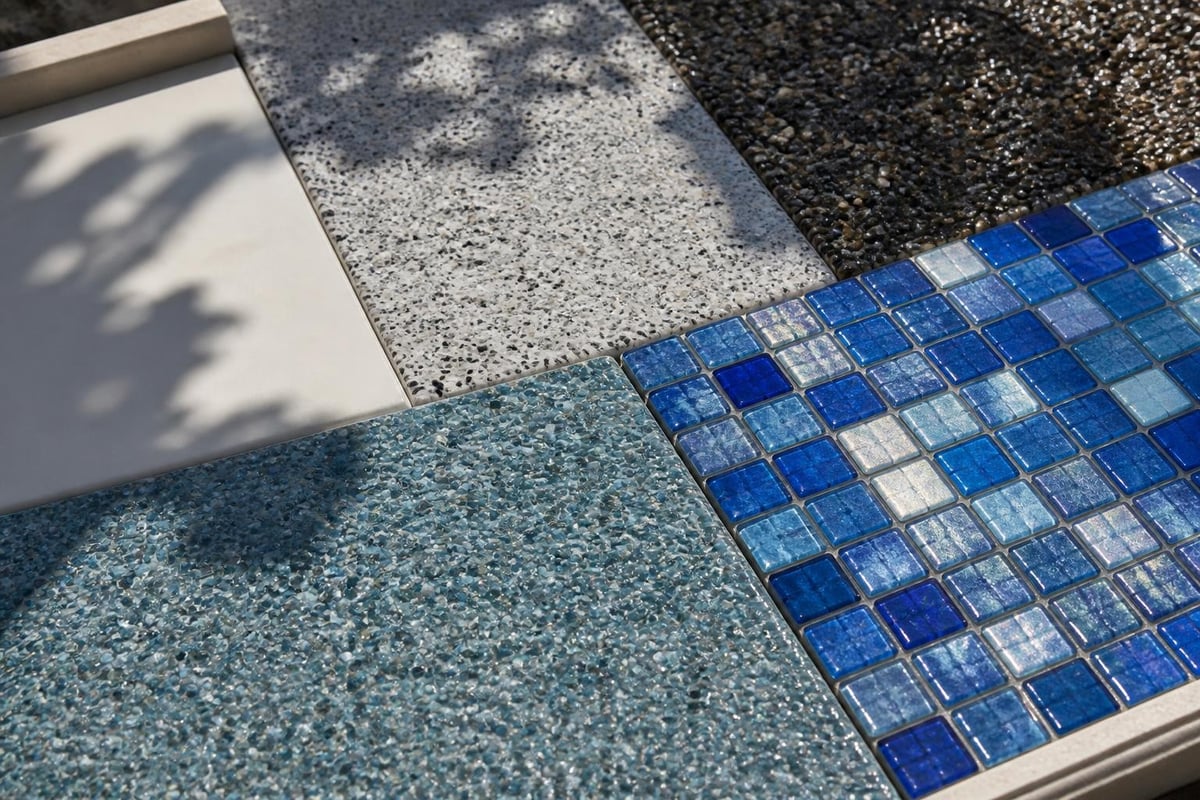
Interior finish materials significantly impact both appearance and maintenance requirements. A knowledgeable in ground pool contractor explains advantages and limitations of various options so homeowners make informed choices aligned with their priorities.
Plaster finishes offer the most economical option but require resurfacing every 7-10 years. Aggregate finishes containing pebbles or quartz provide greater durability and texture variety. Tile installations deliver premium aesthetics and easy maintenance but command highest costs. Glass bead finishes create brilliant color effects while resisting algae and staining better than standard plaster.
Communication and Project Management
Consistent, proactive communication distinguishes professional contractors from those who leave clients uncertain about project status. An in ground pool contractor should establish clear communication protocols from the initial meeting through final walkthrough.
Expect regular updates on construction progress, advance notice before crews arrive, prompt responses to questions or concerns, and immediate notification of any issues requiring homeowner decisions. Contractors who disappear for days, fail to return calls, or make decisions without client input create frustration and undermine trust.
| Communication Method | Frequency | Purpose |
|---|---|---|
| In-person meetings | Weekly | Progress review, decision-making |
| Phone updates | As needed | Quick questions, schedule changes |
| Email summaries | After each phase | Documentation, change orders |
| Photo updates | Daily | Remote monitoring, quality verification |
Professional contractors maintain organized job sites with proper equipment storage, debris removal, and safety measures. Clean work areas demonstrate respect for homeowners' property and reduce risks of accidents or damage to existing landscaping.
Quality Control and Workmanship Standards
Attention to detail during construction determines whether pools function flawlessly for decades or require constant repairs. An in ground pool contractor committed to quality implements systematic checks throughout the build process rather than relying solely on building inspectors to catch deficiencies.
Quality contractors verify excavation dimensions before steel placement, confirm proper steel spacing and tie-wire connections, test plumbing for leaks before concrete application, ensure adequate shotcrete thickness throughout the shell, properly cure concrete with moisture and temperature control, and verify smooth transitions at all fittings and penetrations. The IAPMO Uniform Swimming Pool, Hot Tub and Spa Code establishes technical construction standards that professional contractors follow and exceed.
Post-Construction Support and Warranty
Reputable contractors stand behind their work with comprehensive warranties and ongoing support. Warranty coverage should clearly specify what components are protected, coverage duration for different systems, procedures for making warranty claims, and exclusions for homeowner neglect or misuse.
Structural warranties typically cover the pool shell for 10-25 years, equipment carries manufacturer warranties of 1-5 years, and labor warranties protect against installation defects for 1-2 years. Contractors should provide written documentation of all warranty terms and contact procedures for service requests.
Evaluating References and Past Projects
Past performance provides the most reliable indicator of future results. A confident in ground pool contractor readily provides references from recent clients and welcomes conversations about their experience, project execution, and post-completion satisfaction.
Key questions for contractor references:
- Did the project finish on schedule and within budget?
- How did the contractor handle unexpected challenges?
- Were communication and professionalism maintained throughout?
- Did the final result meet or exceed expectations?
- Were there any post-completion issues, and how were they resolved?
- Would you hire this contractor again for future work?
Visit completed projects when possible to assess workmanship quality, design execution, and attention to finishing details. Ask to see projects completed 5-10 years ago to evaluate long-term durability and aging characteristics. Contractors with nothing to hide welcome these requests and take pride in their portfolio.
Business Practices and Professional Development
Established contractors invest in business infrastructure that supports consistent service delivery. Look for companies with permanent business locations, dedicated office staff, fleet vehicles with company identification, and professional scheduling systems. These elements indicate commitment and stability versus transient operators working from trucks.
Professional development demonstrates contractor dedication to maintaining current knowledge. Membership in industry associations, manufacturer certifications, ongoing training in new technologies, and familiarity with evolving code requirements all signal commitment to excellence. Resources from the Small Business Administration help contractors strengthen business operations and customer service capabilities.
Family Ownership and Direct Communication
Family-owned contractors often provide more personalized service and accountability than larger corporate operations. When homeowners work directly with the business owner rather than multiple layers of sales representatives and project managers, decisions happen faster and communication remains clear.
Direct owner involvement ensures consistency between initial promises and actual execution. The person who priced the project and made commitments oversees construction and addresses any concerns. This structure eliminates miscommunication between sales and production teams common in larger organizations.
Specialized Features and Custom Elements
Luxury pool features require additional expertise beyond basic construction. An in ground pool contractor with experience in custom elements can integrate attached spas, beach entries and tanning ledges, waterfalls and grottos, fire bowls and fire pits, LED color-changing lighting systems, automated controls and smartphone integration, and resistance current systems for exercise.
Each feature adds complexity to hydraulic design, electrical requirements, and structural engineering. Contractors should explain how these elements affect overall project costs, construction timeline, and ongoing maintenance. Realistic expectations prevent disappointment when elaborate features require higher budgets and longer build schedules than basic pool shells.
Regional Expertise and Local Knowledge
Understanding regional soil conditions, climate considerations, and municipal requirements proves invaluable during pool construction. An in ground pool contractor with deep local experience navigates these factors more effectively than companies working across broad geographic areas.
Los Angeles area pools face unique challenges including seismic design requirements, clay soils that expand when wet, water conservation regulations affecting size and features, and varied permitting procedures across different cities. Contractors familiar with these local conditions design appropriately, anticipate challenges, and maintain relationships with local building departments that facilitate smooth permit processes. Whether building pools in Pasadena, Calabasas, or Pacific Palisades, local expertise matters tremendously.
Selecting the right in ground pool contractor requires careful evaluation of credentials, experience, communication practices, and business stability. The investment in thorough vetting pays dividends through superior construction quality, predictable timelines, and pools that deliver decades of enjoyment. AM BUILDS CA brings 15+ years of licensed pool construction experience to every project, handling all phases from design and permits through final finishing with direct owner involvement and transparent pricing. Contact us at (424) 485-4548 for a free consultation and discover how our family-owned approach delivers exceptional results for Los Angeles homeowners.


