


Choosing the right fiberglass pool installers near me requires careful research and understanding of what separates qualified professionals from those who cut corners. As Los Angeles homeowners increasingly explore backyard pool options, fiberglass has emerged as a popular alternative to traditional gunite construction due to faster installation times and lower initial maintenance requirements. However, the quality of installation directly impacts the pool's longevity, structural integrity, and your overall satisfaction. This comprehensive guide walks you through every aspect of selecting, vetting, and working with local fiberglass pool installers to ensure your investment delivers decades of enjoyment.
Understanding Fiberglass Pool Installation
Fiberglass pools arrive as single-piece shells manufactured off-site, then delivered and set into an excavated hole. This differs fundamentally from gunite or concrete pools built entirely on your property. The installation process typically spans two to four weeks, significantly faster than traditional concrete pool construction that can take eight to twelve weeks.
The Core Installation Process
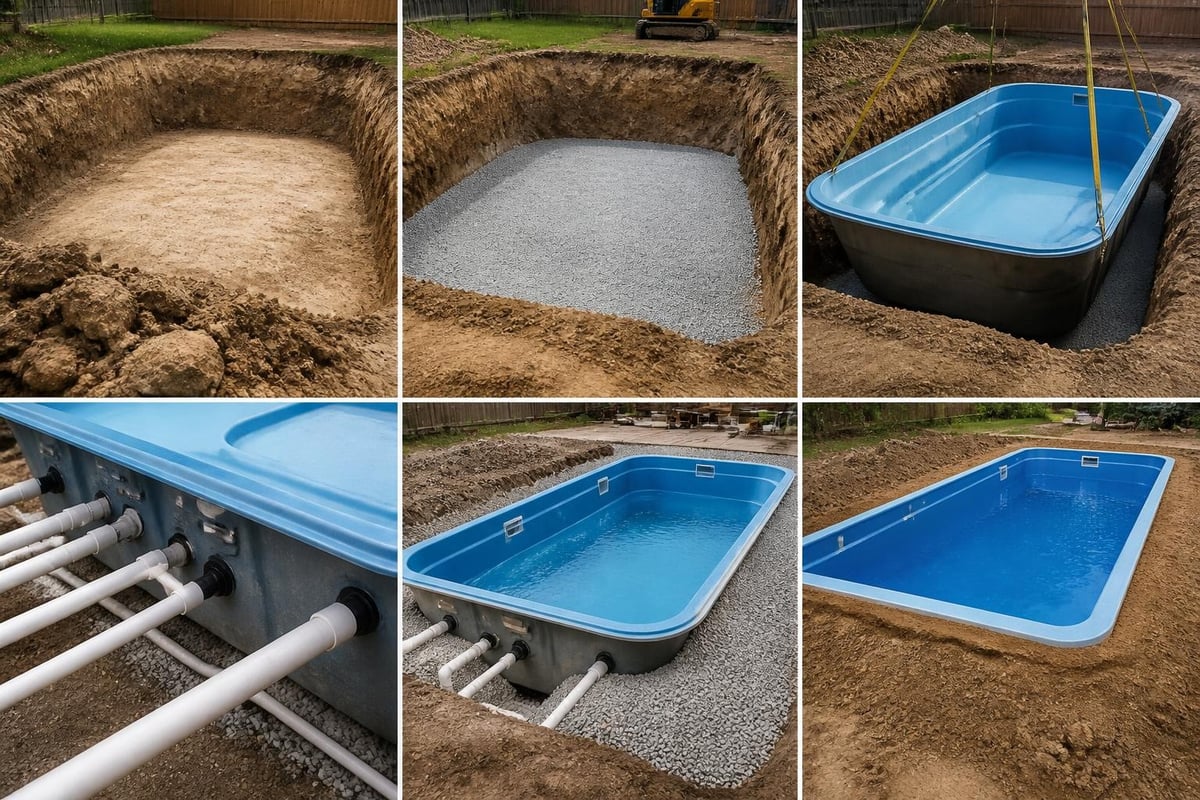
Professional fiberglass pool installers near me follow a methodical sequence to ensure structural stability and proper drainage. The process begins with precise excavation matching the pool shell's exact dimensions, followed by a gravel base that provides drainage and prevents shifting.
Key installation phases include:
- Site preparation and utility marking
- Excavation to exact specifications
- Gravel base compaction
- Shell delivery and crane placement
- Plumbing and electrical installation
- Backfill with gravel or sand
- Pool deck construction
- Equipment installation and startup
The backfilling stage proves critical. Experienced installers fill the pool with water simultaneously as they backfill around the shell, maintaining equal pressure to prevent wall buckling or shell distortion. This technique requires precision timing and expertise.
Soil Conditions and Site Challenges
Los Angeles soil varies dramatically from the sandy loam in coastal areas to expansive clay in the valley regions. Qualified installers assess soil conditions before excavation and adjust their installation approach accordingly. Expansive soils may require additional engineering, deeper gravel beds, or geotextile fabric to prevent future shifting.
Water tables and drainage patterns also influence installation methods. Properties in lower-lying areas or those with high seasonal water tables need proper drainage systems installed beneath and around the pool shell to prevent hydrostatic pressure that could lift or crack the fiberglass.
Vetting Local Fiberglass Pool Installers
Finding competent fiberglass pool installers near me demands thorough verification of credentials, experience, and business practices. California requires pool contractors to hold an appropriate C-53 Swimming Pool Contractor license, and checking the Better Business Bureau’s home improvement resources provides valuable consumer protection guidance.
Licensing and Insurance Requirements
Every legitimate installer must carry:
| Requirement | Why It Matters | What to Verify |
|---|---|---|
| C-53 License | California legal requirement | Check CSLB website for active status |
| General Liability | Protects your property from damage | Request certificate of insurance |
| Workers' Compensation | Covers installer injuries on your property | Verify current coverage |
| Bond | Financial protection for incomplete work | Confirm bond amount and validity |
Request copies of all documentation and verify them independently. Don't rely solely on what contractors show you, as documents can be outdated or falsified.
Experience with Fiberglass Specifically
Not all pool builders possess equal fiberglass expertise. Installers primarily experienced with in-ground pool construction using gunite may lack the specialized knowledge fiberglass shells require. Ask prospective installers how many fiberglass pools they've installed in the past 24 months and request references from those specific projects.
Fiberglass shells demand different handling, crane operation expertise, and backfilling techniques compared to gunite construction. The learning curve between methodologies is substantial, making installer-specific experience crucial to avoiding costly mistakes.
Comparing Installation Quality Indicators
Distinguishing superior fiberglass pool installers near me from adequate ones requires understanding quality benchmarks. Professional installers demonstrate their expertise through detailed project planning, transparent communication, and adherence to industry standards established by organizations like the Pool & Hot Tub Alliance.
Site Preparation Standards
Quality installers invest significant effort in preparation before the pool shell arrives. This includes:
- Precise laser-level excavation ensuring proper depth throughout
- Compacted gravel base with 4-6 inches minimum thickness
- Proper slope integration for deck drainage
- Utility location verification and protection
- Access path planning for crane and delivery truck
Poor excavation causes the majority of fiberglass pool problems. Installers who rush this phase or excavate without precise measurements risk creating low spots where water pools beneath the shell, leading to structural stress and potential cracking.
Plumbing and Equipment Installation
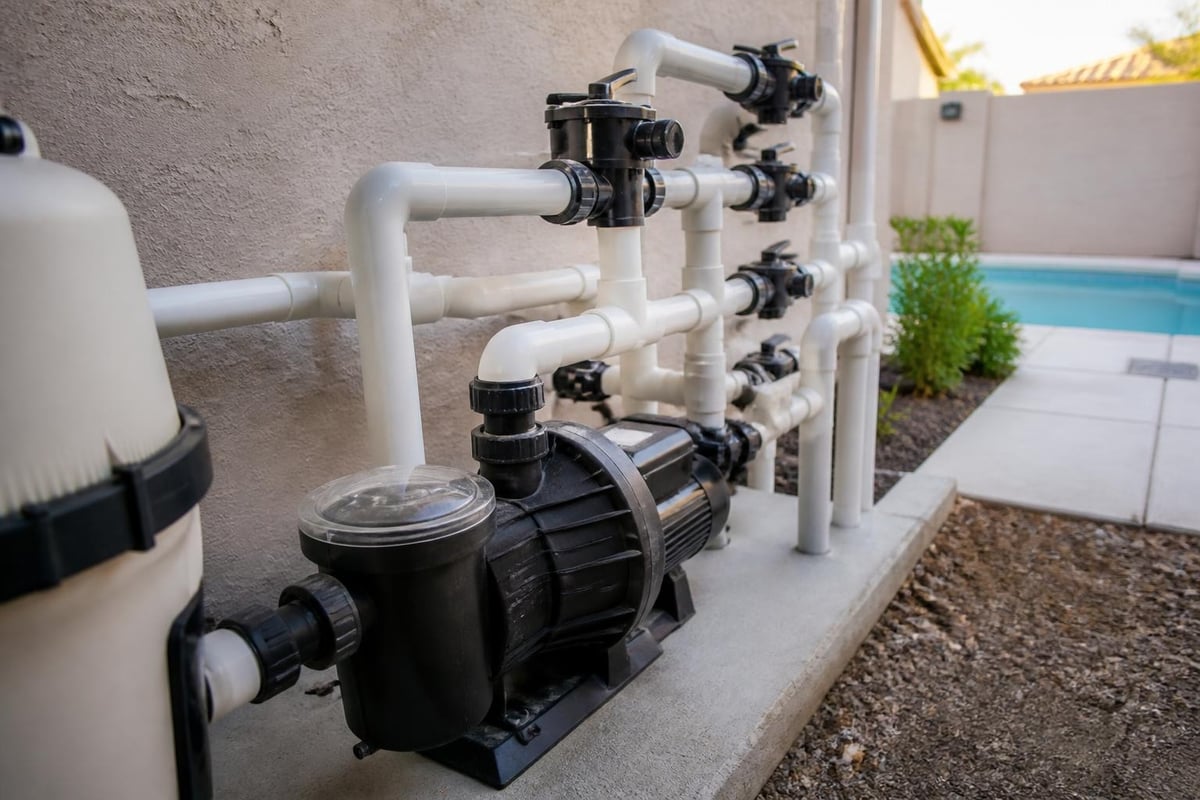
The plumbing configuration impacts your pool's efficiency and longevity. Experienced installers position return jets to optimize circulation, install skimmers at proper heights, and use schedule 40 PVC with proper primer and glue application. They also comply with current energy efficiency requirements for pool pump motors by specifying variable-speed equipment that reduces operating costs.
Equipment pad placement matters for both functionality and aesthetics. Professional installers position pumps, filters, and heaters for easy maintenance access while minimizing noise impact on outdoor living areas. They also ensure proper electrical grounding and bonding per National Electrical Code requirements specific to pools.
Warranty Coverage and Protection
Understanding warranty structures separates savvy homeowners from those who discover gaps too late. Fiberglass pool installations involve two distinct warranty categories: the shell manufacturer's warranty and the installer's workmanship warranty.
Shell Manufacturer Warranties
Most reputable fiberglass manufacturers offer:
- Structural warranty: 25-35 years covering shell integrity
- Surface warranty: 10-15 years for gel coat finish
- Osmotic blister warranty: Varies by manufacturer
These warranties typically require professional installation by approved contractors and adherence to specific installation protocols. Some manufacturers void warranties if installers deviate from prescribed methods, making installer certification with your chosen shell brand valuable.
Installer Workmanship Warranties
Separate from shell warranties, quality installers guarantee their work for 1-3 years minimum. This covers plumbing leaks, equipment installation, electrical work, and structural issues arising from improper installation techniques.
Critical warranty questions to ask:
- What specific work does your warranty cover?
- How long does coverage last for different components?
- What circumstances void the warranty?
- Do you provide warranty service yourself or subcontract it?
- What documentation do you provide at project completion?
Request warranty terms in writing before signing contracts. Verbal promises become unenforceable when problems arise months or years later.
Cost Factors and Payment Structures
Fiberglass pool installation costs in the Los Angeles area typically range from $45,000 to $85,000, depending on shell size, site conditions, and included features. Understanding how professional fiberglass pool installers near me structure pricing helps you evaluate quotes accurately and avoid unexpected expenses.
Itemized vs. Package Pricing
Some installers provide detailed itemized quotes breaking down excavation, shell, plumbing, electrical, decking, and equipment costs separately. Others offer package pricing bundling everything together. Each approach has advantages:
| Pricing Method | Advantages | Disadvantages |
|---|---|---|
| Itemized | Transparency in cost allocation | More complex to compare quotes |
| Package | Simple comparison, fixed price | Harder to identify value engineering |
| Hybrid | Clarity with change order flexibility | Requires detailed review |
Regardless of format, quality quotes specify exactly what's included and excluded. Vague language around "standard installation" or "typical features" often conceals future upcharges for necessary work.
Payment Schedule Red Flags
Legitimate installers use milestone-based payment schedules aligned with project progress. Common structures include:
- Deposit upon contract signing (10-20%)
- Payment after excavation and shell delivery (25-30%)
- Payment after plumbing and backfill completion (25-30%)
- Final payment after startup and inspection (20-25%)
Be wary of installers demanding large upfront payments exceeding 20% or requesting final payment before completing punch-list items. These practices suggest cash flow problems or a history of project abandonment.
Site-Specific Considerations in Los Angeles
Los Angeles properties present unique challenges that experienced fiberglass pool installers near me navigate routinely. Hillside lots, narrow access, established landscaping, and local permit requirements all impact installation complexity and costs.
Access and Crane Requirements
Fiberglass shells require crane placement for installation. Standard crane setups need 12-14 feet of clearance width and overhead clearance free of power lines and trees. Properties with limited access may require smaller cranes, helicopter delivery, or shell cutting and reassembly, each adding significant costs.
Installers should conduct site visits before quoting to assess access challenges accurately. Those who provide quotes without seeing your property often underestimate difficulties and request change orders once work begins.
Permit and Code Compliance
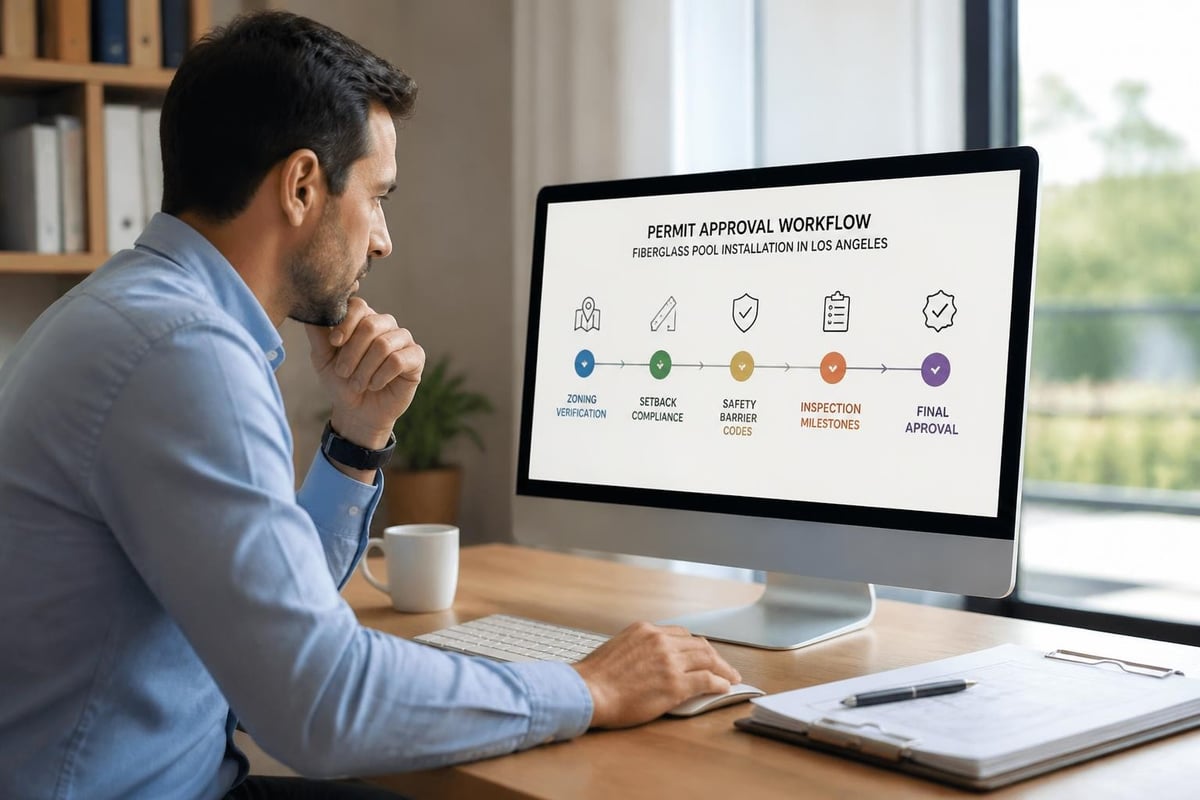
Los Angeles requires building permits for pool installations, including structural, plumbing, and electrical inspections. Professional installers handle permit acquisition, schedule inspections, and ensure work meets local codes. This includes proper setbacks from property lines, safety barrier requirements, and electrical bonding specifications.
Working with general construction contractors experienced in Los Angeles permits streamlines the approval process and prevents costly corrections when inspectors identify code violations.
Energy Efficiency and Water Conservation
California's water scarcity and energy costs make efficiency considerations crucial when selecting fiberglass pool installers near me. Knowledgeable installers incorporate EPA WaterSense pool efficiency strategies and recommend equipment choices that minimize resource consumption.
Equipment Efficiency Standards
Modern pool installations should include:
- Variable-speed pumps reducing energy consumption by 50-75%
- LED lighting using 80% less electricity than incandescent
- Automated controls optimizing filtration schedules
- Pool covers reducing water evaporation by 95%
- Cartridge filters requiring less backwash water than sand filters
The EPA’s technical guidance on pool water efficiency provides detailed recommendations installers should follow to minimize environmental impact and operating costs.
Design Features Affecting Efficiency
Shell selection influences long-term efficiency. Lighter-colored finishes reflect heat, reducing heating costs in temperate climates but increasing them where extended swimming seasons justify heating. Compact designs with efficient circulation reduce pump runtime requirements compared to larger, irregularly shaped pools.
Quality installers discuss these trade-offs during design consultation, helping you balance initial preferences with long-term operating efficiency. They also integrate solar heating systems, heat pumps, or gas heaters based on your budget and usage patterns.
Questions to Ask During Consultations
Effective vetting of fiberglass pool installers near me requires asking probing questions that reveal expertise, business practices, and project approach. Schedule consultations with at least three installers and use consistent questions to enable accurate comparison.
Technical Capability Questions
- How many fiberglass pools have you installed in Los Angeles in the past two years?
- Which shell manufacturers do you work with and why?
- How do you handle our specific soil type and drainage conditions?
- What backfill material do you use and why?
- How do you prevent shell floating or shifting during installation?
- What measures ensure proper bonding and grounding?
- How do you handle unexpected site conditions?
Vague or evasive answers suggest limited experience or unwillingness to address problems transparently.
Business Practice Questions
Understanding operational approaches protects you from project delays, communication gaps, and quality issues:
- Who will manage daily operations on-site?
- How do you handle communication and project updates?
- What is your typical installation timeline for a pool our size?
- How do you protect existing landscaping and hardscaping?
- What daily cleanup and site security measures do you employ?
- How do you handle change orders and unexpected costs?
- What happens if problems arise after installation?
Installers committed to quality provide detailed, confident answers demonstrating systematic approaches to project management. Those who struggle with these basic questions likely lack organizational competence to deliver complex projects successfully.
Integration with Outdoor Living Spaces
Professional fiberglass pool installers near me recognize pools function as one element within comprehensive backyard designs. Coordinating pool installation with decking, patios, outdoor kitchens, and landscaping creates cohesive, functional outdoor environments.
Decking Material Considerations
Pool deck surfaces significantly impact aesthetics, safety, and maintenance requirements. Common options include:
| Material | Advantages | Considerations |
|---|---|---|
| Pavers | Slip-resistant, repairable, attractive | Higher initial cost, requires base prep |
| Concrete | Cost-effective, versatile finishes | Can crack, hot underfoot, limited repair options |
| Natural Stone | Premium appearance, unique | Expensive, may require sealing |
| Composite Decking | Low maintenance, cooler surface | Limited pool-specific products |
Experienced installers coordinate hardscape and landscape installation with pool construction, ensuring proper drainage integration and visual continuity. They also plan deck dimensions for furniture placement, traffic flow, and sun exposure patterns specific to your property.
Timing Multiple Project Phases
Installing pools, decking, outdoor kitchens, and landscaping in logical sequence prevents damage to completed work and optimizes budget allocation. Professional installers help you phase projects based on priorities, seasonal considerations, and cash flow, creating master plans that guide multi-year backyard transformations.
Maintenance Training and Support
Quality fiberglass pool installers near me provide comprehensive owner training covering daily maintenance, seasonal procedures, and troubleshooting common issues. This knowledge transfer proves invaluable for protecting your investment and avoiding problems resulting from improper care.
Essential Operating Knowledge
Before the installer leaves your property permanently, ensure you understand:
- Proper water chemistry ranges and testing frequency
- Filter cleaning and cartridge replacement schedules
- Pump operation, timer programming, and winterization
- Shell surface cleaning techniques and approved products
- Equipment troubleshooting for common issues
- When to call professionals versus DIY fixes
Request written operating instructions and keep all equipment manuals, warranty documents, and installer contact information in a dedicated binder for future reference.
Ongoing Service Relationships
Some installers offer maintenance service packages or preferred customer programs providing priority service, discounted repairs, or annual inspections. Even if you plan to maintain the pool yourself, establishing relationships with qualified service providers ensures help is available when needed.
Selecting qualified fiberglass pool installers near me requires thorough vetting of credentials, detailed evaluation of installation approaches, and clear understanding of warranty coverage and payment terms. Whether you ultimately choose fiberglass or decide gunite better suits your needs, working with experienced, licensed professionals ensures your backyard investment delivers lasting value and enjoyment. AM BUILDS CA brings 15+ years of pool construction expertise to Los Angeles homeowners, handling every aspect from design through final inspection with transparent pricing and owner-direct communication. Call (424) 485-4548 for a free consultation to explore your backyard pool options.


