


Building a custom pool represents one of the most significant investments homeowners make in their property. Unlike off-the-shelf solutions, custom pools require experienced professionals who understand engineering, hydraulics, local codes, and design principles. The right custom pool contractors transform outdoor spaces into functional, beautiful retreats while navigating complex permitting requirements and construction challenges. For Los Angeles homeowners planning backyard projects in 2026, understanding what separates exceptional contractors from mediocre ones ensures your investment delivers lasting value.
Credentials That Matter for Custom Pool Contractors
Professional licensing stands as the single most important qualifier when evaluating custom pool contractors. California requires contractors performing pool work valued over $500 to hold a valid CSLB license, with specialty classifications including C-53 (Swimming Pool) or B (General Building).
Verifying Licenses and Insurance
Before signing any contract, verify the contractor's license status through the Contractors State License Board database. Active licenses indicate the contractor has met bonding requirements, passed technical exams, and maintained continuing education. Equally important, confirm they carry:
- General liability insurance (minimum $1 million coverage)
- Workers' compensation insurance for all employees
- Builders risk insurance for the construction period
- Vehicle insurance for equipment transport
Request certificates of insurance directly from the carrier, not copies from the contractor. Insurance lapses during construction leave homeowners exposed to catastrophic liability if accidents occur on their property.
Industry Certifications and Training
Beyond state licensing, Pool & Hot Tub Alliance (PHTA) certifications demonstrate ongoing education in construction standards, water chemistry, and safety protocols. Custom pool contractors who invest in PHTA training stay current with evolving building codes and construction techniques.
Look for contractors who reference compliance with ANSI/APSP standards covering structural integrity, barrier requirements, and hydraulic design. These industry benchmarks ensure your pool meets safety specifications that protect families and maintain property values.

Design Capabilities and Portfolio Assessment
Custom pool contractors should offer more than basic rectangular pools. Comprehensive design services distinguish experienced builders from simple excavators who subcontract specialized work.
Evaluating Design Expertise
During initial consultations, assess whether contractors:
- Ask detailed questions about how you'll use the pool (lap swimming, entertaining, therapy)
- Consider site constraints including slope, drainage, utilities, and setback requirements
- Propose creative solutions for challenging lots or specific feature requests
- Present 3D renderings or detailed drawings before construction begins
- Explain hydraulic engineering for circulation, filtration, and energy efficiency
Strong custom pool contractors guide clients through material selections, finish options, and feature integration. They understand how tanning ledges, beach entries, attached spas, and water features affect both construction complexity and long-term maintenance.
| Design Element | Considerations | Impact on Cost |
|---|---|---|
| Pool shape | Organic vs. geometric affects shotcrete complexity | Moderate to High |
| Depth variations | Shallow areas, deep ends, gradual slopes | Moderate |
| Integrated spa | Shared equipment vs. separate systems | High |
| Edge treatments | Vanishing edge, raised bond beam, deck-level | High |
| Interior finish | Plaster, pebble, tile, or exposed aggregate | Moderate to High |
Review completed project portfolios carefully. Quality contractors maintain extensive photo documentation showing projects from excavation through final landscaping. Request references for projects similar in scope, budget, and complexity to your planned pool.
The Construction Process and Timeline
Understanding how custom pool contractors structure their workflow helps homeowners set realistic expectations and identify potential red flags during the bidding process.
Typical Project Phases
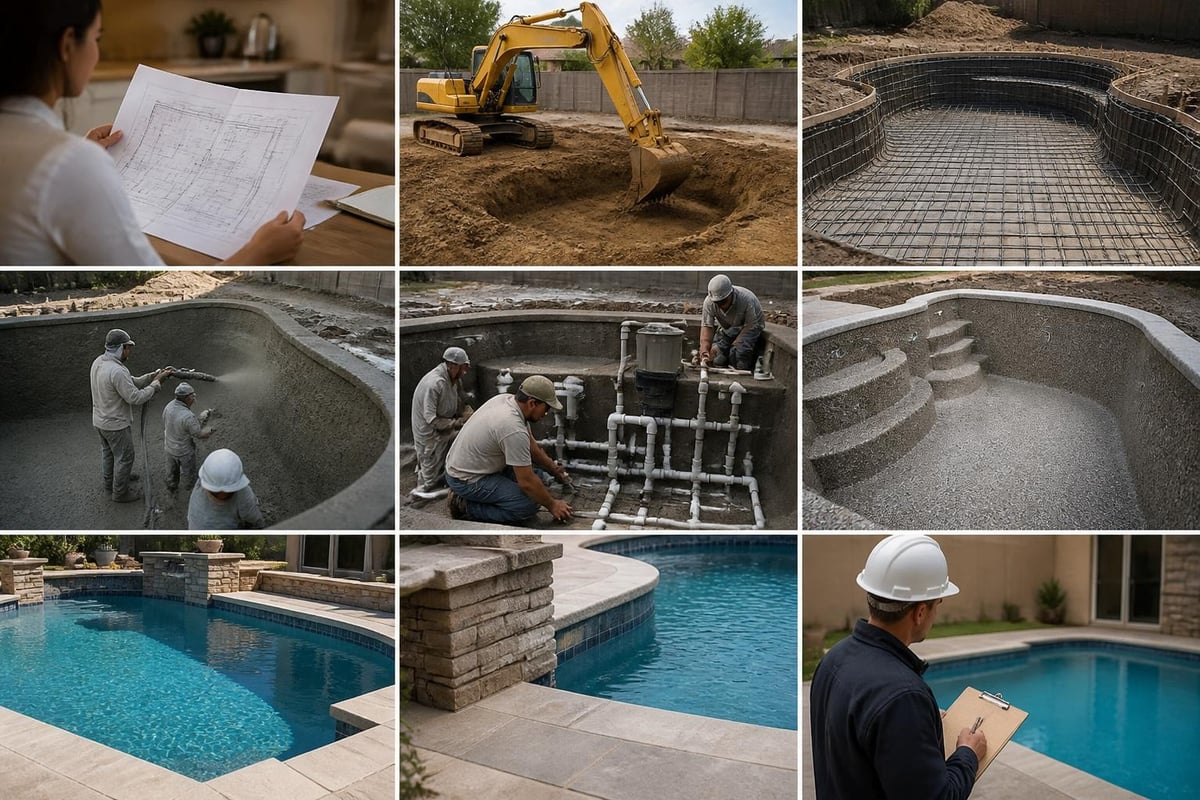
Professional pool construction follows a defined sequence:
Pre-construction (2-6 weeks)
- Final design approval and engineering
- Permit applications and approvals
- Utility locating and marking
- Site access preparation
Excavation and Steel (1-2 weeks)
- Machine excavation to design specifications
- Rebar placement and inspection
- Plumbing and electrical rough-in
Shell Construction (1 week)
- Shotcrete (gunite) application
- Curing period
- Waterproofing as needed
Equipment and Finishes (2-4 weeks)
- Equipment installation and testing
- Tile and coping installation
- Interior surface application
- Deck construction
Total timelines typically range from 8 to 16 weeks depending on project complexity, weather conditions, and inspection schedules. Custom pool contractors working in Los Angeles must coordinate with multiple city departments and utility providers, adding time to projects in densely developed areas.
Managing Permits and Inspections
Experienced custom pool contractors handle all permitting requirements as part of their service. Los Angeles requires multiple inspections throughout construction:
- Foundation and steel inspection before shotcrete
- Electrical rough-in before backfill
- Plumbing pressure test before concrete
- Final inspection before occupancy
Contractors who try to skip permits or rush inspections create serious problems. Unpermitted pools become liabilities during property sales and may require expensive remediation to bring into compliance. Local building departments increasingly enforce the IAPMO Uniform Swimming Pool, Spa and Hot Tub Code, which addresses structural, hydraulic, and safety requirements.
Material Selection and Quality Standards
Custom pool contractors source materials from various suppliers, and quality varies significantly. Understanding material options helps homeowners evaluate proposals and spot contractors cutting corners.
Shell Construction Materials
Shotcrete (Gunite) Specifications
- Minimum 3,500 PSI compressive strength
- Proper water-cement ratio (0.45 or less)
- Steel reinforcement per engineering plans
- Adequate curing time before finish application
Quality contractors use experienced nozzlemen who understand shotcrete placement techniques. Poor application creates voids, weak spots, and future structural problems. The American Concrete Institute’s technical guidance on pool plastering explains how substrate preparation affects finish longevity.
Equipment Quality Tiers
| Component | Economy | Mid-Grade | Premium |
|---|---|---|---|
| Pump | Single-speed | Dual-speed | Variable-speed |
| Filter | Sand | Cartridge | DE or advanced cartridge |
| Heater | Standard gas | High-efficiency gas | Heat pump or solar |
| Automation | Manual | Basic timer | Full automation system |
| Lighting | Incandescent | LED standard | LED color-changing |
Custom pool contractors should explain equipment options clearly, detailing energy consumption, maintenance requirements, and warranty coverage. Premium equipment costs more initially but delivers significant savings over the pool's 30+ year lifespan.
Communication and Project Management
How custom pool contractors manage client relationships reveals their professionalism and reliability. Effective communication prevents misunderstandings, keeps projects on schedule, and ensures homeowner satisfaction.
Red Flags During the Selection Process
Avoid contractors who:
- Require large upfront deposits (>10% before permits)
- Provide vague timeline estimates without milestone dates
- Resist written contracts or change-order procedures
- Cannot provide recent client references
- Offer prices significantly below competitors without explanation
- Pressure immediate decisions without time for due diligence
Professional contractors welcome questions, provide detailed written proposals, and maintain organized documentation throughout the project. They understand that custom pool construction disrupts daily life and work to minimize inconvenience.
Working Directly With Owners
Many Los Angeles homeowners prefer working with family-owned businesses where they communicate directly with the owner rather than through sales representatives or project managers. Direct owner involvement often results in better attention to detail, faster decision-making, and greater accountability. AM Builds Inc. follows this model, with homeowners working directly with the owner throughout the design and in-ground pool construction process.
Cost Factors and Budget Planning
Understanding how custom pool contractors price projects helps homeowners budget appropriately and compare proposals accurately.
Variables Affecting Total Cost
- Size and volume: Larger pools require more materials, labor, and equipment
- Depth and complexity: Deep ends, multiple depth zones, and organic shapes increase costs
- Site accessibility: Difficult access requires specialized equipment and manual labor
- Soil conditions: Rocky soil, high water tables, or unstable ground add expense
- Feature additions: Spas, water features, fire features, and lighting
- Finish quality: Premium finishes cost 2-3x standard plaster
- Decking materials: Concrete, pavers, natural stone, or composite decking
- Equipment grade: Energy-efficient equipment costs more initially but saves long-term
Los Angeles projects face additional costs from strict permitting requirements, expensive building fees, and labor rates that reflect the high cost of living. When evaluating bids from custom pool contractors, confirm what's included in the base price versus optional add-ons.
Payment Schedules and Protection
California law limits initial deposits to $1,000 or 10% of project cost, whichever is less. Subsequent payments should tie to completed milestones:
- Permit approval and start of excavation (10-15%)
- Steel inspection approval (20-25%)
- Shotcrete completion (25-30%)
- Equipment installation (20-25%)
- Final completion and inspection (10-15%)
Never pay the full balance until you've verified all inspections passed, equipment operates correctly, and finish work meets specifications. Reputable custom pool contractors respect this payment structure and don't pressure clients to deviate from it.
Warranty Coverage and Post-Construction Support
The relationship with custom pool contractors extends well beyond construction completion. Comprehensive warranties and responsive service distinguish contractors committed to long-term client satisfaction.
Standard Warranty Components
Structural Warranty: Most custom pool contractors offer 3-10 year warranties covering shell integrity, leaks, and structural defects. Lifetime structural warranties sound impressive but often contain extensive exclusions.
Equipment Warranty: Manufacturers typically provide 1-3 year warranties on pumps, filters, heaters, and automation systems. Contractors may extend coverage or offer service contracts.
Finish Warranty: Interior surfaces carry 1-3 year warranties against material defects and proper application. Note that surface etching from improper water chemistry isn't typically covered.
Workmanship Warranty: Quality contractors warranty their installation work for 1-2 years, covering issues arising from improper construction techniques.
Maintenance Education and Support
Before final completion, custom pool contractors should provide:
- Complete equipment operation instructions
- Water chemistry training and testing supplies
- Maintenance schedule recommendations
- Emergency contact information
- Winterization procedures (if applicable)
- Equipment manual and warranty documentation
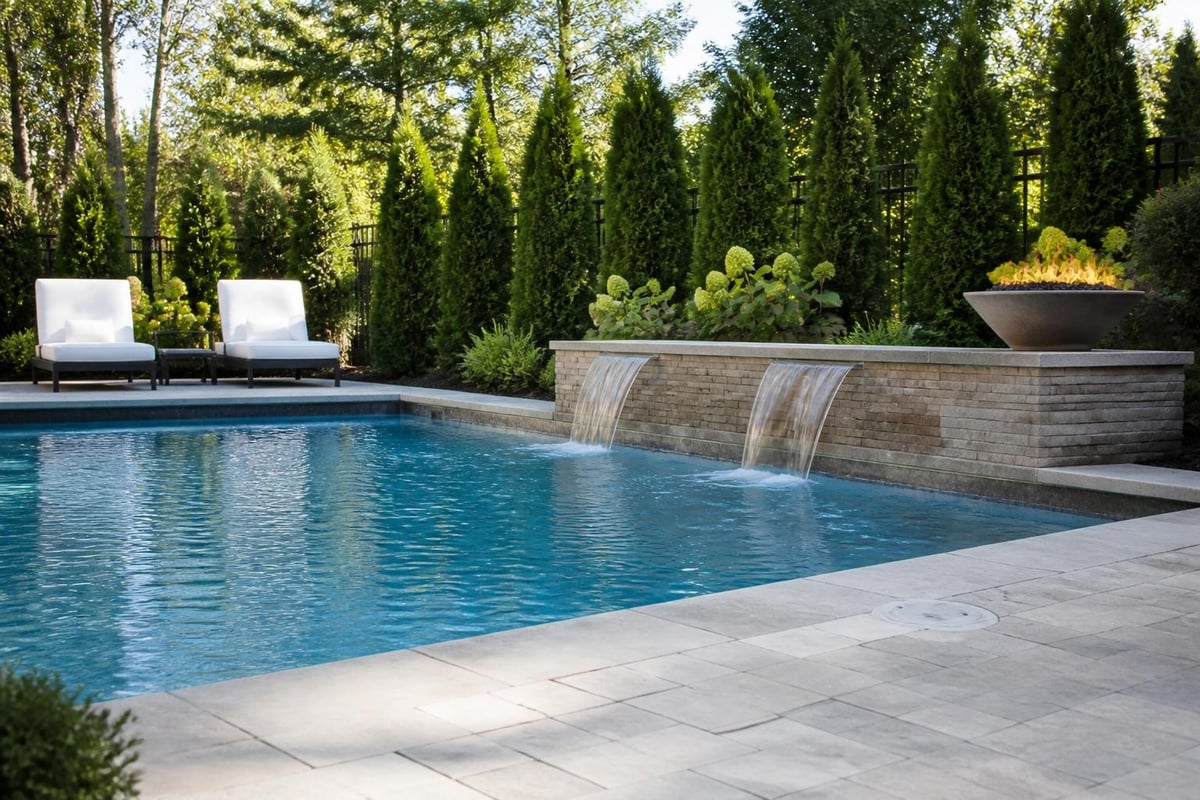
Contractors who offer post-construction support, whether through in-house service departments or trusted referral partners, demonstrate commitment to long-term client relationships. Regular maintenance programs keep equipment running efficiently and prevent small issues from becoming expensive repairs.
Sustainable and Energy-Efficient Design
Modern custom pool contractors incorporate energy efficiency and environmental considerations into project planning. These features reduce operating costs and environmental impact while often qualifying for local utility rebates.
Energy-Saving Technologies
Variable-speed pumps reduce energy consumption by 50-80% compared to single-speed models. California's Title 24 energy code now mandates variable-speed pumps for most new pool installations, bringing residential pools under similar standards as the ASHRAE guidelines used for commercial natatorium design.
LED lighting consumes 75% less energy than incandescent pool lights while providing superior illumination and color options. Modern LED systems last 20,000+ hours versus 2,000 hours for traditional bulbs.
Solar heating systems eliminate ongoing fuel costs in sunny climates like Los Angeles. While initial investment exceeds gas heaters, solar systems pay for themselves within 3-5 years through eliminated heating bills.
Automated controls optimize filtration schedules, chemical dosing, and heating cycles based on actual usage patterns rather than running continuously. Smart systems can be monitored and adjusted remotely via smartphone apps.
Water Conservation Features
- Pool covers: Reduce evaporation by 95%, saving thousands of gallons annually
- Cartridge filters: Require no backwashing, saving 1,000-2,000 gallons yearly
- Proper sizing: Right-sized pools for actual usage reduce unnecessary water volume
- Efficient hydraulics: Proper plumbing design minimizes pump runtime needed for circulation
Knowledgeable custom pool contractors discuss these options during design consultations, helping homeowners balance initial costs against long-term operational savings. Many Los Angeles utility providers offer rebates for energy-efficient pool equipment, reducing upfront investment.
Site Evaluation and Preparation
Experienced custom pool contractors conduct thorough site evaluations before finalizing designs or estimates. Understanding site conditions prevents costly surprises during construction.
Critical Site Factors
Soil Analysis: Testing soil composition determines whether standard excavation suffices or if special engineering is needed. Clay soils expand and contract with moisture, requiring specialized structural design. Rocky soils increase excavation costs but provide excellent stability.
Drainage Patterns: Poor drainage requires additional grading, French drains, or sump pumps to prevent groundwater from floating the pool shell. Custom pool contractors evaluate existing drainage and modify plans to manage water flow around the pool.
Utility Locations: Underground utilities including gas lines, water mains, sewer laterals, electrical conduits, and communication cables must be located and protected. Damage to utilities causes construction delays and expensive repairs.
Access Requirements: Equipment access affects construction methods and costs. Pools built in backyards without side-yard access require smaller excavation equipment, crane services for material delivery, or manual labor for excavation-all increasing project costs.
Setback and Zoning Requirements
Los Angeles maintains specific requirements for pool placement relative to property lines, structures, and easements. Custom pool contractors familiar with local zoning codes prevent costly design modifications after permits are denied.
Typical setback requirements include:
- 5 feet from rear and side property lines
- 10 feet from main structures
- 3 feet from accessory structures
- Clearance from easements and utility corridors
Properties with unusual zoning, hillside locations, or historical designations may require variance applications, adding time and cost to projects.
Selecting the Right Contractor for Your Project
Choosing among custom pool contractors requires evaluating multiple factors beyond price alone. The lowest bid often comes from contractors who underestimate complexity, use inferior materials, or lack proper insurance.
Comparison Checklist
When evaluating proposals from custom pool contractors, assess:
- License verification: Current, active license in good standing
- Insurance coverage: Adequate liability and workers' compensation
- Experience level: Years in business and similar projects completed
- Portfolio quality: Craftsmanship demonstrated in finished projects
- Client references: Recent clients willing to discuss their experience
- Communication style: Responsiveness and clarity during initial interactions
- Contract completeness: Detailed scope, materials, timeline, and payment terms
- Warranty offerings: Comprehensive coverage with clear exclusions
- Local knowledge: Familiarity with Los Angeles codes and permitting processes
- Financial stability: Established business with positive reputation
Request proposals from at least three contractors to compare approaches, pricing, and timelines. Significant price variations often reflect different scope interpretations or material quality rather than simple markup differences.
Interview Questions to Ask
During consultations with custom pool contractors, ask:
- How many pools have you completed in the past 12 months?
- What percentage of your work comes from referrals versus advertising?
- How do you handle change orders and unexpected site conditions?
- What is your typical project timeline from permit to completion?
- Who will supervise daily construction activities?
- How do you communicate progress and address concerns?
- What happens if scheduled inspections fail?
- Do you offer maintenance services or have preferred service partners?
Contractors who provide clear, detailed answers demonstrate professionalism and transparency. Vague responses or reluctance to discuss specific topics signal potential problems ahead.
Selecting qualified custom pool contractors requires careful evaluation of credentials, experience, communication practices, and construction approaches. Working with a licensed, experienced contractor protects your investment and ensures code compliance throughout the project. AM BUILDS CA brings 15+ years of family-owned expertise to custom pool projects across Los Angeles, handling everything from initial design through final inspection with clear pricing, direct owner involvement, and meticulous attention to detail. Contact us at (424) 485-4548 for a free, no-obligation estimate on your custom pool project.


