


Choosing concrete swimming pool builders for your backyard transformation represents one of the most significant investments a homeowner will make. Unlike prefabricated alternatives, concrete pools offer unlimited design flexibility, exceptional durability, and the ability to create truly custom outdoor living spaces. In 2026, the pool construction industry continues to evolve with advanced materials, sustainable practices, and refined techniques that deliver pools built to last decades. Understanding what separates experienced concrete swimming pool builders from the rest ensures your project delivers the quality, aesthetics, and longevity you expect.
What Makes Concrete Pools Different From Other Pool Types
Concrete pools dominate the custom pool market for compelling reasons. These structures are built entirely on-site using either shotcrete or gunite application methods, allowing builders to create any shape, size, or depth imaginable.
Key advantages of concrete pool construction include:
- Complete design freedom for curves, beach entries, infinity edges, and custom features
- Superior structural integrity that withstands ground movement and settling
- Ability to integrate spas, tanning ledges, waterfalls, and fire features seamlessly
- Long-term value with proper maintenance spanning 50+ years
- Premium finish options including plaster, pebble, quartz, and tile
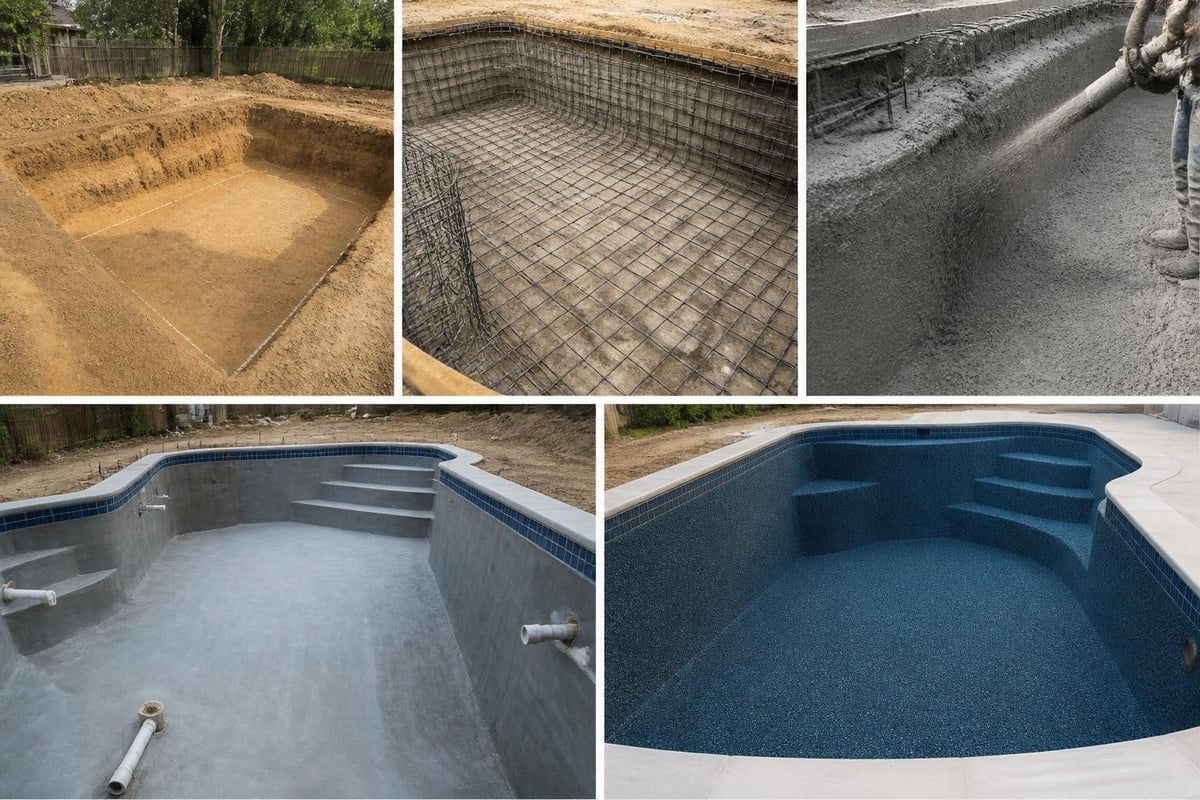
The construction process differs fundamentally from fiberglass or vinyl liner pools. Concrete swimming pool builders excavate the site, install steel reinforcement, apply the gunite shell, and finish with your chosen surface material. This labor-intensive approach requires specialized skills, proper licensing, and extensive experience to execute correctly. For a full walkthrough of materials, costs, and key decisions, see our guide to concrete pool construction.
Gunite vs. Shotcrete: Understanding the Application Methods
Professional concrete swimming pool builders typically use either gunite or shotcrete to form the pool shell. Both methods project concrete through a hose at high velocity onto the steel framework.
Gunite involves mixing dry concrete and sand at the nozzle, where water is added just before application. This method offers longer working time and precise control over water content. Shotcrete arrives pre-mixed and includes water before reaching the nozzle, ensuring consistent mix ratios but requiring faster application.
| Method | Mixing Location | Best For | Advantages |
|---|---|---|---|
| Gunite | At nozzle | Complex shapes, detail work | Adjustable consistency, less waste |
| Shotcrete | Pre-mixed | Large projects, vertical walls | Consistent quality, faster application |
| Dry-mix | At application | Residential pools | Proven track record, industry standard |
| Wet-mix | Before pumping | Commercial pools | Uniform strength, reduced rebound |
The American Concrete Institute provides technical guidance on proper shotcrete application for pool construction, establishing industry standards that reputable builders follow.
How to Evaluate Concrete Swimming Pool Builders
Not all pool contractors deliver equal quality. The difference between a pool that lasts decades and one requiring expensive repairs within years often comes down to builder expertise and integrity.
Licensing and Insurance Requirements
California requires pool contractors to hold a valid contractor's license through the Contractors State License Board (CSLB). Legitimate concrete swimming pool builders carry a C-53 (swimming pool) or B (general contractor) license, along with comprehensive general liability and workers' compensation insurance.
Verification steps before hiring:
- Confirm active license status through CSLB website
- Request certificate of insurance from their carrier
- Verify workers' compensation coverage
- Check complaint history and disciplinary actions
- Confirm bonding status and amount
Family-owned operations often provide direct owner involvement throughout construction. When homeowners work directly with the owner, communication improves, accountability increases, and quality standards remain consistent from estimate through final inspection.
Project Portfolio and References
Experienced builders maintain extensive portfolios showing completed projects with varying complexity. Review examples that demonstrate capabilities in custom shapes, integrated features, challenging sites, and finish quality.
Request references from recent clients, ideally projects completed within the past two years. Ask specific questions about timeline accuracy, budget adherence, problem-solving, site cleanliness, and post-completion support. The Pool & Hot Tub Alliance maintains standards that guide professional pool construction practices.
The Complete Construction Process Timeline
Understanding the construction sequence helps homeowners set realistic expectations. Concrete swimming pool builders typically complete residential projects within 8-14 weeks, depending on complexity, weather, and permit processing times.
Initial Design and Permitting Phase (2-4 Weeks)
Professional builders begin with comprehensive site evaluation, design consultation, and permit preparation. This phase establishes pool dimensions, features, equipment specifications, and drainage solutions.
Los Angeles requires detailed engineering plans, structural calculations, and compliance with current building codes. Permit timelines vary by municipality, with some jurisdictions processing applications within two weeks while others require 4-6 weeks.
Excavation and Steel Installation (1-2 Weeks)
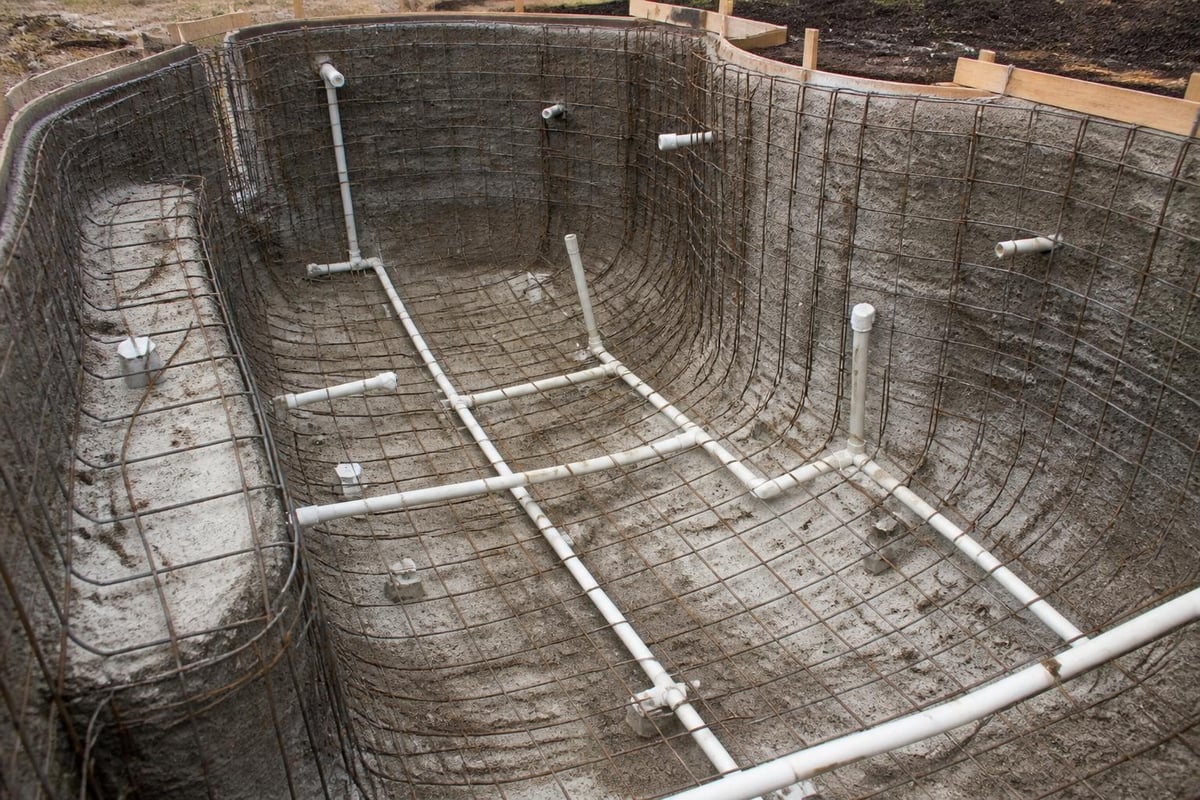
Once permits are approved, excavation begins. Crews dig to specified depths, create proper slopes for drainage, and compact the soil base. Steel reinforcement follows, with rebar tied in precise grid patterns that provide structural integrity.
Critical elements during steel phase:
- Proper rebar spacing per engineering specifications
- Elevation verification for coping and deck heights
- Plumbing rough-in for returns, drains, and equipment
- Electrical conduit placement for lighting and features
Quality concrete swimming pool builders maintain clean, organized job sites throughout construction. This attention to detail reflects overall professionalism and commitment to doing things right.
Gunite Application and Curing (1-2 Days Application, 28 Days Full Cure)
The gunite shoot represents a pivotal milestone. Experienced nozzlemen apply concrete in continuous passes, building thickness gradually while eliminating voids and maintaining proper density. The American Shotcrete Association provides position papers on best practices for pool application.
Proper curing is critical. The shell must stay moist for at least seven days, though full strength develops over 28 days. Rushing the process compromises structural integrity and finish adhesion.
Tile, Coping, and Finish Work (2-3 Weeks)
After curing, installation of waterline tile, coping stones, and interior finish proceeds. This phase demands precision craftsmanship, as these visible elements define the pool's aesthetic character.
Finish options range from traditional white plaster to exposed aggregate, polished pebble, and full-tile interiors. Each material offers different textures, colors, durability characteristics, and maintenance requirements. Technical design guidance from manufacturers helps builders select appropriate materials and installation methods for long-lasting results.
Cost Factors and Budget Planning
Concrete pool pricing varies significantly based on size, complexity, features, and finish selections. In Los Angeles, homeowners should expect investment ranges from $75,000 to $200,000+ for custom concrete pools.
Primary Cost Drivers
Size directly impacts material quantities, labor hours, and equipment needs. A basic 12×24 rectangular pool requires less gunite, steel, and finish material than a 20×40 freeform design with integrated spa and beach entry.
| Feature Category | Budget Impact | Typical Range |
|---|---|---|
| Basic 12×24 rectangle | Baseline | $75,000-$95,000 |
| Custom freeform shape | +15-25% | $90,000-$120,000 |
| Integrated spa | +$15,000-$25,000 | Varies by size |
| Premium finishes | +20-40% | Material dependent |
| Water features | +$5,000-$20,000 | Per feature |
| Automation systems | +$3,000-$8,000 | Equipment grade |
Experienced concrete swimming pool builders provide detailed, itemized estimates that break down material costs, labor, permits, engineering, and equipment separately. This transparency allows homeowners to make informed decisions about where to invest and where to economize.
Hidden Costs to Anticipate
Beyond the pool shell itself, complete projects require additional investments. Decking surrounds the pool, requiring concrete, pavers, or natural stone. Fencing meets safety code requirements. Landscaping integration restores areas disturbed during construction.
Equipment pad location, electrical service upgrades, gas line extensions for heaters, and drainage solutions all add costs. Reputable builders identify these requirements during initial estimates rather than presenting surprise charges mid-project.
Design Considerations for Los Angeles Backyards
Southern California's climate, soil conditions, and architectural styles influence pool design decisions. Concrete swimming pool builders familiar with local conditions anticipate challenges and optimize designs accordingly.
Site-Specific Challenges
Los Angeles lots often feature sloped terrain, limited access, or proximity to existing structures. Experienced builders adapt designs to work with these constraints rather than fighting them.
Common site considerations include:
- Retaining wall requirements for hillside properties
- Crane access for equipment and material delivery
- Utility line locations and required clearances
- View corridors and privacy screening
- Sun exposure patterns throughout the day
The flexibility of concrete construction allows builders to create solutions for challenging sites where prefabricated pools wouldn't fit. Custom shapes work around trees, property lines, and existing hardscape elements.
Integrating Hardscape and Landscaping
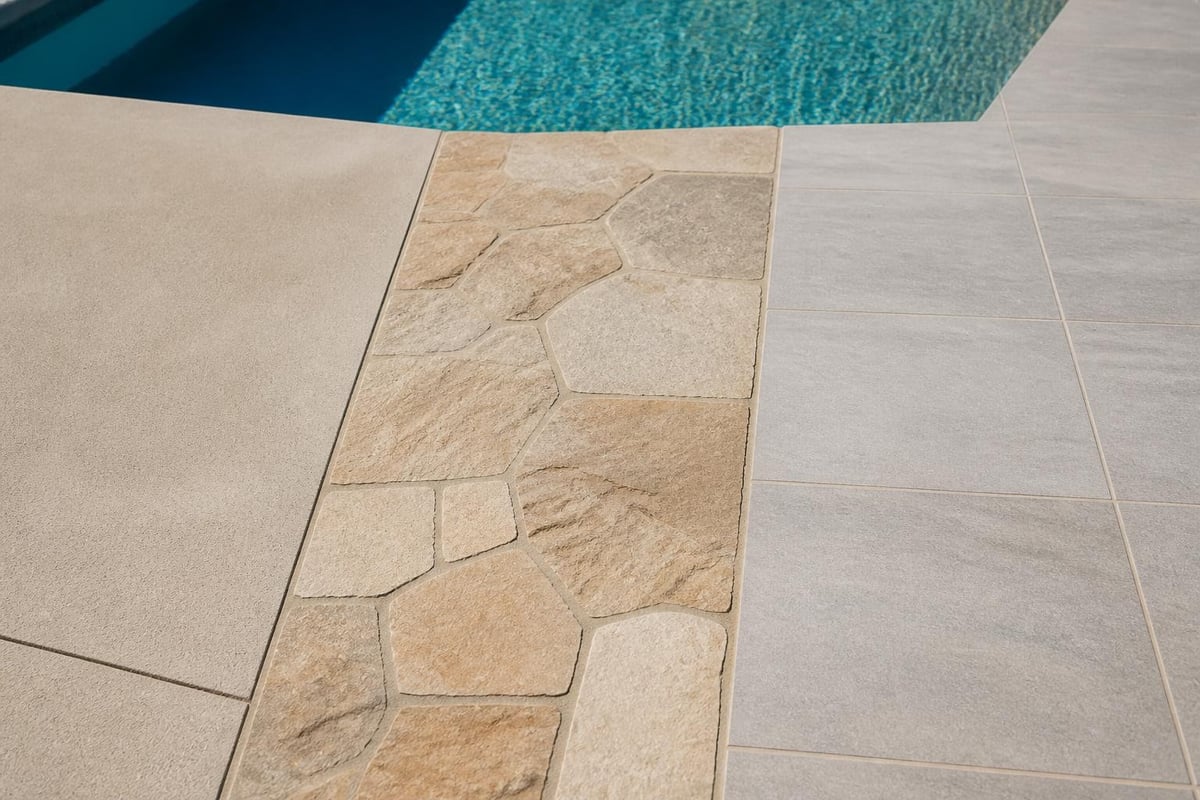
Pool surrounds significantly impact overall aesthetics and functionality. The deck material choice affects heat retention, slip resistance, maintenance requirements, and visual cohesion with home architecture.
Many homeowners complement their concrete pool with professional hardscape installation that creates unified outdoor living areas. Paver decks, walkways, and patio extensions integrate seamlessly with pool construction when planned together from the start.
Quality Standards and Long-Term Performance
The difference between adequate and exceptional concrete pools becomes apparent years after completion. Superior construction practices today prevent costly repairs tomorrow.
Structural Integrity Best Practices
Proper steel placement, adequate shell thickness, and quality gunite application determine structural performance. Minimum shell thickness should measure 8-10 inches for residential pools, with reinforcement positioned correctly within that thickness.
Concrete swimming pool builders who follow industry standards ensure rebar maintains proper coverage (distance from shell surface) to prevent corrosion. Tie wire should be stainless steel or plastic-coated to avoid rust stains bleeding through finishes.
Compaction and consolidation during application eliminate voids and honeycombing that weaken the shell. Rebound (material that bounces off during application) must be removed completely, never reused, as it lacks proper binding properties.
Waterproofing and Finish Longevity
While concrete is inherently porous, proper finishing techniques create watertight pools. The finish layer (plaster, aggregate, or tile) serves as the waterproofing membrane, making installation quality critical.
Factors affecting finish lifespan:
- Water chemistry balance (calcium hardness, pH, alkalinity)
- Surface preparation before finish application
- Curing conditions during initial 28 days
- Material quality and mixing ratios
- Application technique and trowel finish
Quality finishes last 10-20 years with proper maintenance. Premature deterioration typically results from poor water chemistry rather than construction defects, though improper application accelerates wear.
Sustainable and Innovative Pool Construction
Environmental consciousness shapes 2026 pool construction practices. Concrete swimming pool builders increasingly adopt sustainable materials, energy-efficient equipment, and water conservation features.
Low-Carbon Concrete Options
Traditional portland cement production generates significant carbon emissions. Low-carbon concrete alternatives now offer comparable strength while reducing environmental impact by 30-70%.
Supplementary cementitious materials (SCMs) such as fly ash, slag cement, and calcined clay partially replace portland cement. These industrial byproducts would otherwise occupy landfills, making their use doubly beneficial.
Some concrete swimming pool builders specify mixes incorporating recycled materials researched by the EPA, including recycled glass aggregates and reclaimed water for mixing. These innovations maintain structural performance while supporting sustainability goals.
Energy-Efficient Equipment Integration
Modern pool systems consume substantially less energy than equipment from even a decade ago. Variable-speed pumps reduce electricity usage by 50-75% compared to single-speed models, earning rebates from many California utilities.
LED lighting draws minimal power while offering programmable colors and effects. Solar heating systems eliminate gas consumption for pool warming. Automated controls optimize filtration schedules, chemical dosing, and temperature management.
Maintenance Requirements for Concrete Pools
Concrete pools require consistent maintenance to preserve appearance and functionality. Understanding these requirements before construction helps homeowners make informed decisions.
Chemical Balance and Water Chemistry
Concrete pool finishes are alkaline, constantly affecting water pH. Proper chemistry maintains finish integrity and prevents scaling, staining, or etching.
Weekly testing should monitor:
- pH levels (target 7.4-7.6)
- Total alkalinity (80-120 ppm)
- Calcium hardness (200-400 ppm)
- Chlorine or sanitizer levels
- Cyanuric acid (stabilizer)
Neglected chemistry causes expensive finish damage within months. Aggressive water (low calcium, low pH) etches plaster, exposing aggregate prematurely. Scale-forming water (high calcium, high pH) creates rough deposits that harbor algae and feel unpleasant.
Cleaning and Seasonal Care
Brushing walls and floors weekly prevents algae establishment and maintains finish smoothness. Automatic pool cleaners reduce manual labor but don't eliminate the need for regular brushing.
Los Angeles's year-round mild climate means most pools stay open continuously. This eliminates winterizing procedures but requires consistent chemical maintenance and equipment operation throughout the year.
Selecting Your Pool Construction Partner
The relationship with your chosen builder spans months and influences your backyard enjoyment for decades. Choosing concrete swimming pool builders carefully pays dividends throughout ownership.
Questions to Ask During Consultations
Initial meetings reveal builder knowledge, communication style, and commitment to quality. Ask about their construction process, timeline estimates, warranty coverage, and how they handle unexpected conditions.
Request clarification on who performs various tasks. Do they employ their own crews or subcontract major phases? How long have key team members worked with the company? What happens if problems arise during construction?
Understanding their approach to permits, inspections, and code compliance demonstrates professionalism. Builders who view regulations as quality assurance rather than obstacles typically deliver superior results.
Red Flags to Avoid
Pressure tactics, lowball estimates, requests for large upfront deposits, or reluctance to provide references signal potential problems. Professional pool construction services operate transparently, providing detailed contracts and clear communication throughout the project.
Unlicensed contractors represent serious risks. Beyond legal issues, they lack proper insurance, access to quality suppliers, and accountability through licensing board oversight. Saving money upfront often costs multiples more correcting substandard work later.
Regional Considerations for Los Angeles Pool Construction
Southern California presents unique opportunities and challenges for concrete swimming pool builders. Climate advantages enable year-round construction, but soil conditions, seismic requirements, and water restrictions require local expertise.
Soil and Seismic Engineering
Los Angeles area soils vary dramatically from stable hardpan to expansive clay. Proper soil analysis determines whether additional engineering, deeper excavation, or specialized drainage is necessary.
Seismic design requirements ensure pools withstand earthquake forces without structural damage. Steel reinforcement patterns, shell thickness, and connection details must meet current seismic codes specific to the region.
Water Conservation and Regulations
California's water consciousness influences pool design decisions. Smaller pools, efficient covers, and leak detection systems help minimize water consumption. Some municipalities offer rebates for pool covers that reduce evaporation.
Runoff regulations require pool construction sites implement erosion control and prevent sediment from entering storm drains. Professional builders obtain necessary permits and follow best management practices automatically.
Expert concrete swimming pool builders transform ordinary backyards into custom retreats built for decades of enjoyment. The combination of structural expertise, design creativity, and construction quality separates projects that delight homeowners from those requiring constant repairs. Whether you're considering AM BUILDS CA for your custom in-ground pool in Los Angeles or researching your options, working with a licensed, experienced team ensures your investment delivers the quality and longevity you deserve. Contact us at (424) 485-4548 for a free, no-obligation consultation.


