


Building a swimming pool represents one of the most significant investments homeowners make in their property. When it comes to durability, customization, and long-term value, concrete pool construction stands as the gold standard in the industry. Unlike prefabricated alternatives, concrete pools offer unlimited design possibilities and a structure built to last decades. Understanding the construction process, materials, and key decision points helps homeowners make informed choices that align with their budget, timeline, and vision for their outdoor space.
Understanding Concrete Pool Construction Methods
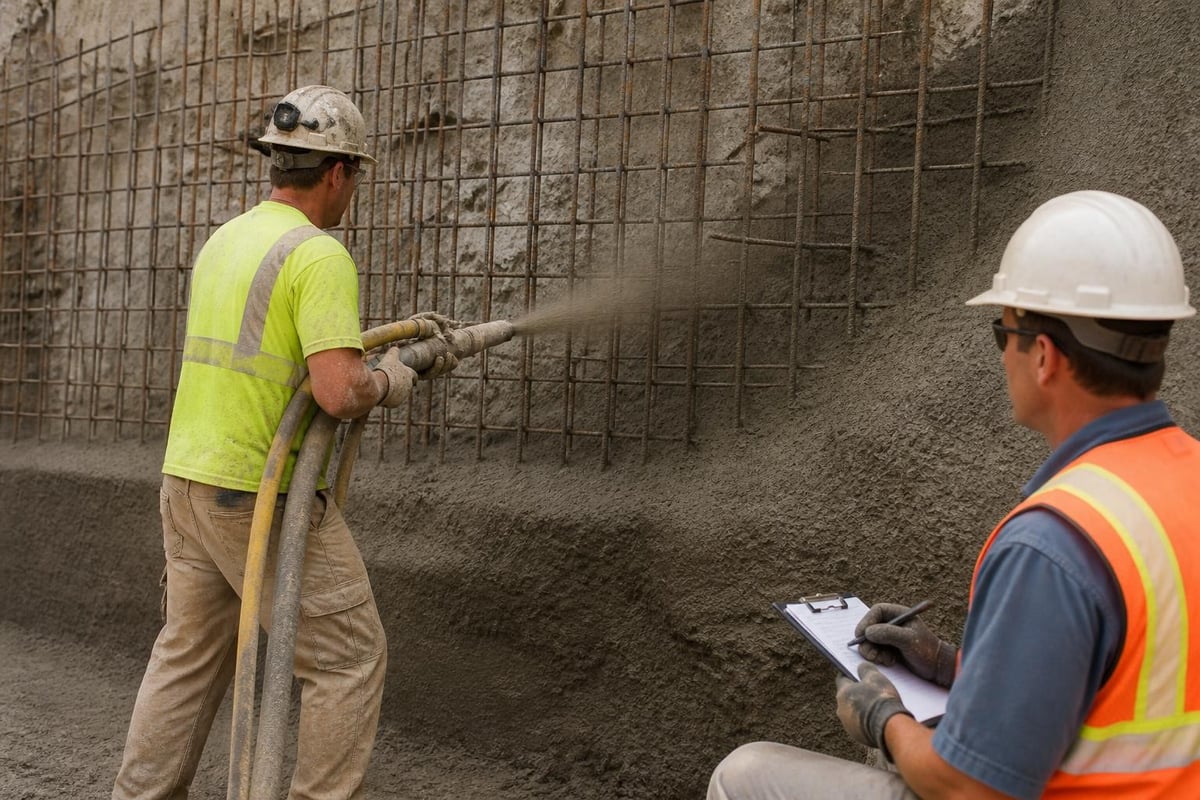
Concrete pool construction encompasses two primary application methods: gunite and shotcrete. While often used interchangeably, these techniques have distinct characteristics that influence construction timelines and structural outcomes.
Gunite involves spraying a dry mixture of cement and sand through a hose, with water added at the nozzle. This method has been the traditional choice for residential pool construction for decades. Shotcrete uses a pre-mixed wet concrete that's pumped and sprayed, offering more consistent moisture content and often requiring fewer rebound materials.
According to the American Shotcrete Association resources, both methods produce structurally sound pool shells when applied by experienced crews. The choice between gunite and shotcrete often depends on contractor expertise, local availability, and specific project requirements.
Key Differences Between Application Methods
| Feature | Gunite | Shotcrete (Wet-Mix) |
|---|---|---|
| Water Control | Added at nozzle | Pre-mixed at batch plant |
| Consistency | Operator-dependent | Factory-controlled |
| Waste/Rebound | Typically higher | Generally lower |
| Curing Requirements | Critical monitoring | More predictable hydration |
The structural integrity of both methods meets or exceeds industry standards when properly installed. Professional pool contractors understand the nuances of each technique and select the method best suited to site conditions and pool design.
The Complete Construction Process
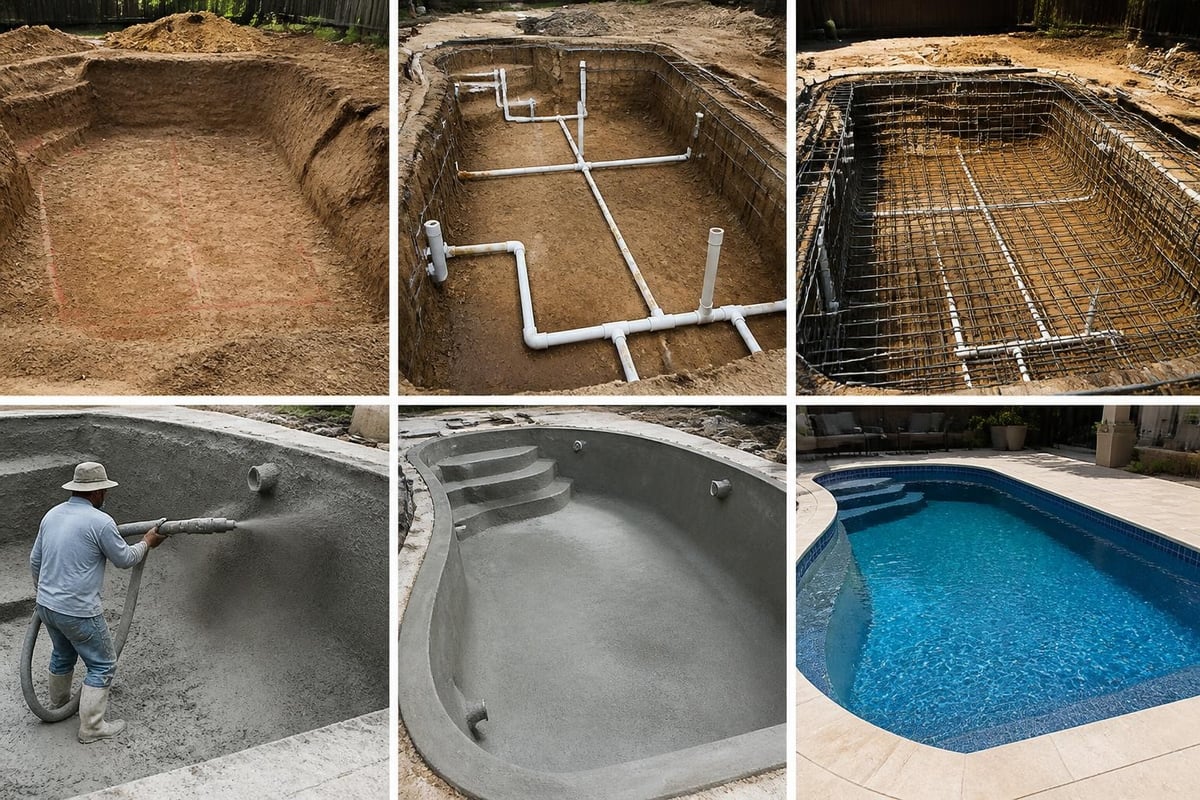
Concrete pool construction follows a systematic sequence that transforms an empty yard into a fully functional aquatic retreat. Each phase builds upon the previous work, requiring precision and adherence to engineering specifications.
Phase 1: Design and Permitting
Every successful pool project begins with detailed planning. Homeowners work with designers to establish pool dimensions, depth profiles, entry methods, and integrated features like spas or tanning ledges. Professional drawings translate these ideas into engineered plans that meet local building codes.
Los Angeles County requires comprehensive permits for in-ground pool construction, including structural, plumbing, and electrical approvals. The PHTA Builder’s Manual provides industry-standard guidance that licensed contractors reference when preparing permit applications.
Phase 2: Excavation and Ground Preparation
Excavation shapes the raw hole according to engineering specifications. Excavators remove soil while maintaining proper slope angles and accounting for shell thickness. Soil conditions in Los Angeles vary significantly, from stable clay to sandy or rocky terrain, each presenting unique challenges during this phase.
After excavation, crews install the plumbing infrastructure. Main drains, return lines, skimmer connections, and equipment plumbing are positioned and stubbed according to hydraulic calculations. This underground work must be completed before steel installation begins.
Phase 3: Steel Reinforcement
The structural skeleton of a concrete pool consists of rebar steel formed into a three-dimensional cage. Steel specifications vary based on pool size, soil conditions, and local engineering requirements, but typical residential pools use #3 or #4 rebar on 12-inch centers.
- Vertical steel runs floor-to-wall and wall-to-bond-beam
- Horizontal steel circles the perimeter at specified intervals
- Structural steel reinforces steps, benches, and spa walls
- Bond beam steel provides upper structural integrity
Proper steel placement ensures the shotcrete shell maintains its shape under soil pressure, water weight, and seismic forces. California's earthquake considerations make robust steel reinforcement particularly critical for pool construction in Los Angeles.
Phase 4: Shotcrete or Gunite Application
The shell application represents the most dramatic transformation in the construction timeline. A specialized crew applies the concrete pneumatically, building up thickness in layers while ensuring complete encapsulation of the steel reinforcement.
According to ACI guidelines for pool shotcrete, minimum shell thickness for residential pools should be 8 inches for walls and 9-12 inches for floors, depending on engineering requirements. Experienced nozzlemen control the application angle, distance, and velocity to minimize rebound and ensure proper compaction.
Critical quality control points during application:
- Proper encapsulation of all steel reinforcement
- Consistent thickness throughout the shell
- Adequate compaction to eliminate voids
- Smooth transitions between pool sections
- Proper formation of returns and fittings
The fresh concrete requires immediate finishing work. Trowel crews smooth the surface to create proper contours and prepare the substrate for final finishes. This wet-stage work must be completed efficiently before the concrete begins its initial set.
Material Selection and Quality Standards
The longevity of concrete pool construction depends heavily on material quality and mixture design. Shotcrete for swimming pools requires specific characteristics that differ from standard structural concrete applications.
Concrete Mixture Requirements
Minimum compressive strength for pool shotcrete typically ranges from 4,000 to 5,000 psi at 28 days. The mix design balances cement content, aggregate size, water-cement ratio, and admixtures to achieve workability during application while ensuring long-term durability.
Key mixture components include:
- Portland cement: Primary binding agent, typically Type I or Type II
- Fine aggregate: Sand sized for pneumatic application
- Coarse aggregate: Limited size for gunite, varied for shotcrete
- Water: Controlled for proper hydration and strength development
- Admixtures: Accelerators, plasticizers, or air-entraining agents as needed
The ANSI/PHTA standards for residential pools establish minimum performance criteria that responsible contractors follow. These standards address mixture design, application techniques, and testing protocols that ensure structural adequacy.
Steel Reinforcement Specifications
Rebar selection follows engineering calculations based on pool dimensions and site conditions. Grade 60 rebar provides the standard strength specification, with proper concrete cover (typically 3 inches minimum) protecting steel from water exposure and potential corrosion.
| Pool Section | Typical Steel Size | Spacing | Coverage |
|---|---|---|---|
| Floor | #3 or #4 | 12" o.c. each way | 3" minimum |
| Walls | #3 or #4 | 12" o.c. vertical/horizontal | 3" minimum |
| Bond Beam | #4 or #5 | Continuous perimeter | 3" minimum |
| Steps/Benches | #3 | 12" o.c. | 2" minimum |
Finishing Options and Surface Treatments
After the concrete shell cures, homeowners select interior finishes that determine the pool's appearance and tactile experience. These finishes also provide a waterproof barrier and protect the structural shell from chemical exposure.
Plaster Finishes
Traditional white plaster remains the most economical finish option. This cement-based coating smooths the rough shotcrete surface and creates a classic light-blue water appearance. Standard plaster typically lasts 7-10 years before requiring resurfacing.
Enhanced plaster options include:
- Quartz aggregate plaster: Adds colored quartz for durability and aesthetics
- Pebble finishes: Incorporates river pebbles for texture and longevity (12-20 years)
- Glass bead finishes: Uses recycled glass for sparkle and smooth feel
- Polished aggregate: Exposes decorative stones after initial curing
Tile and Waterline Details
Waterline tile serves both functional and aesthetic purposes. The tile band at the water surface resists staining from body oils and chemical deposits while providing a finished appearance. Glass tile, porcelain, and natural stone each offer distinct visual characteristics.
Coping, Decking, and Perimeter Integration
The pool's edge treatment connects the water feature to surrounding outdoor spaces. Coping caps the bond beam, providing a finished edge, and serves as the transition between pool and deck.
Common coping materials include:
- Natural stone (travertine, limestone, flagstone)
- Precast concrete pavers
- Cantilevered concrete deck
- Brick or manufactured stone
Deck installation completes the pool environment. Hardscape & Landscape solutions like paver patios integrate seamlessly with concrete pools, offering slip-resistant surfaces and design flexibility. The deck slope, drainage, and expansion joints require careful planning to prevent water infiltration and surface damage.
Equipment Installation and Systems Integration
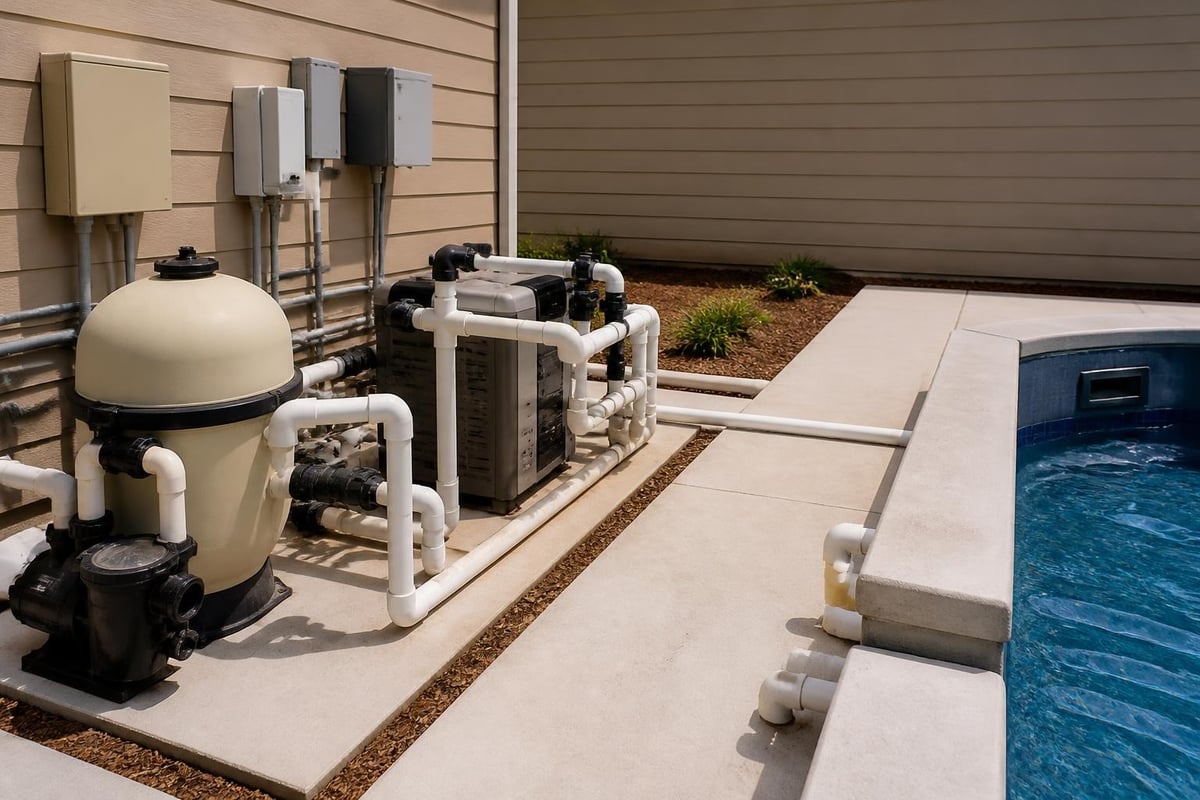
Modern concrete pools incorporate sophisticated mechanical and electrical systems that maintain water quality and enable automated operation.
Filtration and Circulation
The circulation system moves water through filtration equipment and returns it to the pool. Pump sizing depends on pool volume, turnover rate requirements, and hydraulic resistance through plumbing runs. Variable-speed pumps offer significant energy savings compared to single-speed alternatives.
Filtration options:
- Sand filters: Traditional, reliable, moderate maintenance
- Cartridge filters: Finer filtration, lower water usage, more frequent cleaning
- DE (diatomaceous earth) filters: Finest filtration, highest maintenance
Heating and Automation
Gas heaters provide rapid temperature increase, while heat pumps offer energy-efficient operation in moderate climates. Solar heating systems reduce operating costs but require adequate roof space and proper orientation.
Automation systems control filtration schedules, heating, lighting, and chemical dispensing through smartphone apps or wall-mounted panels. These systems enhance convenience while optimizing energy consumption.
Timeline Expectations and Scheduling
Concrete pool construction typically requires 8-12 weeks from excavation to completion, though timelines vary based on project complexity, weather, permit processing, and contractor scheduling.
Typical phase durations:
| Phase | Duration | Variables Affecting Timeline |
|---|---|---|
| Permitting | 2-6 weeks | Jurisdiction workload, plan complexity |
| Excavation & Plumbing | 3-5 days | Access, soil conditions, weather |
| Steel Installation | 2-4 days | Pool size, feature complexity |
| Shotcrete Application | 1 day | Crew availability, batch plant proximity |
| Curing & Preparation | 7-14 days | Weather, humidity, temperature |
| Tile & Finish Work | 3-7 days | Material selection, detail level |
| Decking Installation | 1-2 weeks | Deck size, material choice |
| Equipment & Startup | 2-3 days | System complexity |
Weather significantly impacts concrete pool construction schedules. Rain delays shotcrete application and finish work, while extreme heat affects curing conditions. Experienced contractors build buffer time into schedules and communicate proactively about weather-related adjustments.
Cost Factors and Budget Considerations
Understanding cost drivers helps homeowners establish realistic budgets for concrete pool construction. While pricing varies by region and specific project requirements, several factors consistently influence total investment.
Primary Cost Components
Pool size and volume represent the foundation of cost estimation. Larger pools require more excavation, materials, labor, and equipment. An average residential concrete pool in Los Angeles ranges from $50,000 to $100,000+, with luxury pool builders creating custom designs that exceed these ranges.
Design complexity significantly affects labor costs. Geometric rectangles build faster than freeform designs with multiple radius curves. Features like beach entries, tanning ledges, swim-up bars, or integrated spas add both material and labor expenses.
Site accessibility influences equipment rental and labor efficiency. Pools in backyards requiring small excavators and hand-digging cost more than open-access sites accommodating full-size machinery.
Finish and Feature Upgrades
Standard white plaster represents the baseline finish cost. Upgrading to aggregate finishes adds $3,000-$10,000 depending on material selection and pool size. Premium glass tile waterlines, LED lighting packages, and water features each contribute additional expenses.
According to local pool construction experts, transparent pricing that itemizes each component helps homeowners make informed decisions about where to invest and where to economize.
Permits, Inspections, and Code Compliance
Legal compliance protects homeowners from liability and ensures construction meets safety standards. Los Angeles County requires multiple inspections throughout the concrete pool construction process.
Required Inspections
Building departments verify work at critical stages before allowing construction to proceed. Typical inspection points include:
- Post-excavation: Verifies proper dimensions and soil stability
- Plumbing rough-in: Confirms drain placement and pipe installation
- Steel reinforcement: Ensures proper rebar size, spacing, and placement
- Post-shotcrete: May require core samples or thickness verification
- Electrical: Verifies bonding and equipment installation
- Final inspection: Comprehensive review before operation approval
The NYC Department of Buildings guidance illustrates comprehensive inspection protocols that many jurisdictions reference. While specific requirements vary, the underlying principle remains consistent: documented verification at each construction phase.
Setback and Barrier Requirements
Local zoning ordinances establish minimum distances between pools and property lines, structures, and utilities. Barrier requirements mandate fencing height, gate specifications, and access controls to prevent unauthorized entry, particularly by young children.
Long-Term Maintenance and Lifecycle Management
Concrete pools require ongoing maintenance to preserve structural integrity and aesthetic appearance. Understanding maintenance requirements helps homeowners budget for long-term ownership costs.
Routine Water Chemistry
Balanced water chemistry prevents surface etching, equipment corrosion, and algae growth. Weekly testing and chemical adjustments maintain pH, alkalinity, calcium hardness, and sanitizer levels within recommended ranges.
Surface Refinishing
Plaster finishes eventually require replacement as they wear, stain, or develop surface roughness. Standard plaster lasts 7-10 years, while aggregate finishes extend this timeline to 12-20 years. Pool remodeling projects often include surface refinishing along with equipment upgrades and aesthetic improvements.
Equipment Service
Pumps, heaters, and automation systems require periodic maintenance and eventual replacement. Variable-speed pumps typically last 8-12 years, while gas heaters average 8-10 years depending on usage patterns and maintenance quality.
Selecting the Right Construction Partner
Concrete pool construction represents a significant investment requiring specialized expertise. The contractor selection process directly influences project outcomes, timeline adherence, and long-term satisfaction.
Licensing and Insurance Verification
California requires contractors performing pool construction to hold appropriate licenses through the Contractors State License Board (CSLB). Verify license status, check complaint history, and confirm adequate liability and workers' compensation insurance before signing contracts.
Experience with Local Conditions
Contractors familiar with Los Angeles soil conditions, permitting processes, and climate considerations navigate challenges more efficiently than those new to the region. Experience with in-ground pool installation in similar neighborhoods provides valuable insight into what works well in specific areas.
Communication and Project Management
Clear communication prevents misunderstandings about scope, timeline, and cost. Professional contractors provide detailed written proposals, maintain organized job sites, and proactively address questions throughout construction. Direct access to the owner or project manager ensures accountability and responsive problem-solving.
Design Trends and Innovation
Concrete pool construction continues evolving with new technologies, materials, and design approaches that enhance both aesthetics and functionality.
Integrated Outdoor Living Spaces
Modern pools serve as centerpieces for comprehensive outdoor environments. Fire features, outdoor kitchens, covered lounging areas, and pool decks create resort-style backyards that extend living space beyond interior walls.
Energy Efficiency Advances
Variable-speed pumps reduce energy consumption by 50-75% compared to traditional single-speed models. LED lighting provides brilliant illumination while using minimal electricity. Solar heating and automated covers further reduce operating costs while maintaining comfortable swimming conditions.
Smart Pool Technology
Automation systems enable remote monitoring and control of all pool functions. Homeowners adjust temperature, activate water features, control lighting, and receive maintenance alerts from smartphones. Integration with home automation platforms creates seamless control of indoor and outdoor systems.
Comparing Concrete to Alternative Pool Types
While this article focuses on concrete pool construction, understanding how it compares to alternatives helps homeowners make informed decisions about which pool type best suits their needs.
Fiberglass pools arrive as pre-manufactured shells installed in excavated holes. They offer faster installation (days vs. weeks) but limited size and shape options. The non-porous gelcoat surface resists algae but can't be customized after manufacturing.
Vinyl liner pools use steel, polymer, or aluminum walls with vinyl liners creating the water barrier. They cost less initially but require liner replacement every 7-10 years. Shape options fall between fiberglass limitations and concrete flexibility.
Concrete pools excel in customization, durability, and property value contribution. The Sport England swimming pool design guidance emphasizes lifecycle cost analysis when comparing pool types, noting that concrete's higher initial investment often proves economical over multi-decade ownership.
Concrete pool construction delivers unmatched customization, structural integrity, and long-term value for homeowners investing in their outdoor living spaces. Understanding the construction process, material requirements, and key decision points enables informed choices that align with budget and vision. AM Builds Inc. brings 15+ years of specialized experience to custom in-ground pool construction throughout Los Angeles and surrounding communities, handling every phase from design and permits through shotcrete application, finishing, and startup. Our family-owned, licensed team (CSLB #1153503) provides direct owner communication, transparent pricing, and detail-driven craftsmanship without shortcuts. Contact AM BUILDS CA at (424) 485-4548 for a free, no-obligation estimate on your custom pool project.


